
What will define the top Benches in 2026? Global buyers are looking beyond simple seating. They want durability, comfort, flexible installation, and measurable value. Grand View Research’s outdoor furniture analysis identifies rising demand for weather-resistant materials and space-efficient designs. BIFMA’s market reports also emphasize adaptable workplace furniture, supporting modular and movable bench formats. These trends matter in parks, transit areas, hospitality spaces, offices, and compact homes.
The strongest categories may include recycled-plastic outdoor benches, powder-coated steel benches, timber benches with protective finishes, modular workplace benches, upholstered indoor benches, and storage benches. Each type solves a different problem. A recycled-plastic bench can survive rain and repeated cleaning. A modular bench can divide an open office without permanent construction. A storage bench can turn a narrow hallway into useful space. Small details matter, including rounded edges, concealed drainage, replaceable slats, and accessible seat heights.
Urbanist William H. Whyte wrote, “What attracts people most, it would appear, is other people.” His observation remains valuable for bench selection. A bench is not merely a product. It shapes movement, waiting, conversation, and public comfort. However, the market still has weaknesses. Sustainability claims are not always transparent. “Eco-friendly” labels can hide unclear material origins or difficult repairs. Buyers should compare life-cycle data, load ratings, warranty terms, and maintenance needs. This article examines the leading Benches types for 2026, using supplier practice, professional research, and practical purchasing evidence. Forecasts are useful, but not perfect. Real performance still depends on climate, traffic, installation quality, and daily care.
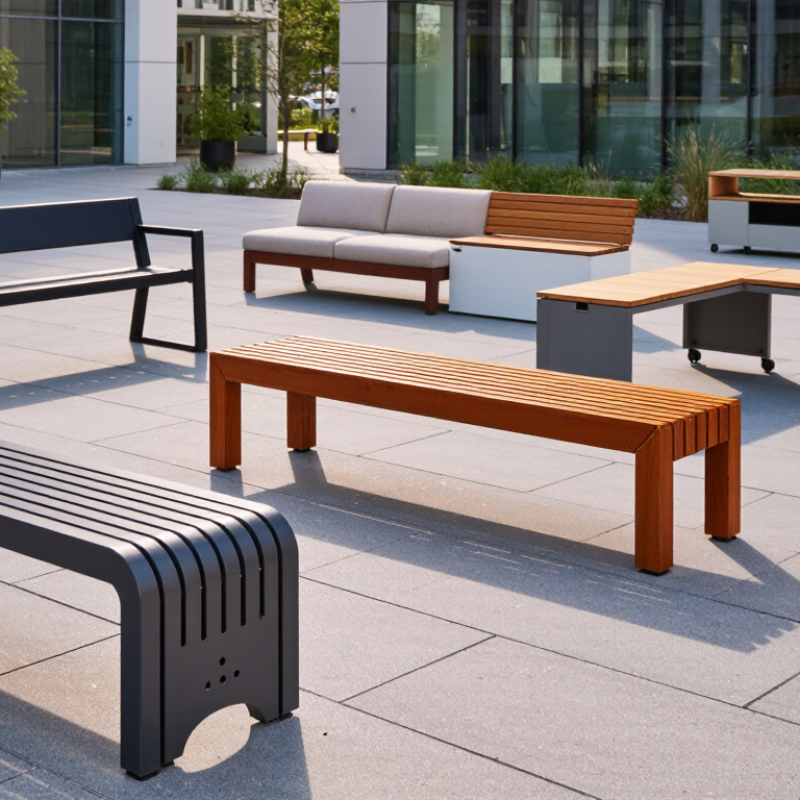
In 2026, global bench buying is moving beyond simple seating. Buyers are comparing function, maintenance, comfort, and lifecycle value. Outdoor benches remain important for parks, campuses, transit areas, and commercial courtyards. Powder-coated metal, recycled composite, and treated timber are common material choices. Each performs differently in rain, heat, and coastal air.
Modular benches are gaining attention because layouts change quickly. A buyer may select straight units, corner sections, or units with integrated planters. Storage benches also serve compact apartments, schools, and hospitality spaces. Their hinges should feel stable, while ventilation helps protect stored items from moisture. Indoor ergonomic benches are being specified for waiting rooms and workplace entrances. Seat height, edge softness, and back support matter during longer waits.
Durability claims need practical checking. Ask for load testing, surface-care instructions, replacement-part access, and clear warranty terms. A sample should be inspected under ordinary use, not only in a showroom. Look closely at welds, fasteners, drainage gaps, and floor contact points. Sustainable materials attract buyers, but recycled content alone does not prove responsible production. Repairability may matter more over ten years.
Some purchasing forecasts may overstate demand for sensor-enabled benches. The technology sounds useful, yet maintenance teams may lack replacement skills. This is an uncomfortable gap. Buyers should compare real operating needs with attractive specifications. Regional climate, shipping volume, installation tools, and cleaning routines can change the best choice. A visually elegant bench may still fail when water collects beneath its frame.
Global purchasing reference table based on common commercial specifications, use environments, and procurement requirements.
| Bench Category | Typical Applications | Common Construction | Typical Size Range | Approx. Seating Capacity | Key Buying Priorities in 2026 | Best-Fit Environments | Indicative Service Life |
|---|---|---|---|---|---|---|---|
| Outdoor Park Bench | Parks, sidewalks, gardens, public plazas | Powder-coated steel or aluminum frame with timber, recycled plastic, or metal slats | 1,200–2,000 mm long; 400–650 mm deep; 750–900 mm high | 2–4 adults | Weather resistance, vandal resistance, low maintenance, anchoring options | Outdoor public spaces and landscape projects | 8–15 years, depending on material and exposure |
| Picnic Bench Set | Campgrounds, schools, food courts, rest areas | Table-and-seat assembly in treated timber, recycled plastic, or coated metal | 1,500–2,400 mm long; 1,300–1,700 mm overall width; 700–800 mm high | 6–10 adults | Easy cleaning, rounded edges, drainage, accessibility and stability | Outdoor dining and recreation areas | 7–15 years outdoors |
| Backless Corridor Bench | Entryways, corridors, waiting areas, retail spaces | Steel or aluminum base with solid wood, laminate, upholstered, or composite seat | 900–2,000 mm long; 350–500 mm deep; 400–500 mm high | 2–4 adults | Compact footprint, cleanability, modular sizing, safe edges | Transport hubs, offices, schools, hospitals, shopping areas | 8–12 years in commercial interiors |
| Locker Room Bench | Gyms, sports clubs, schools, factories, changing rooms | Moisture-resistant phenolic slats, hardwood, aluminum, or galvanized steel | 900–2,000 mm long; 300–450 mm deep; 400–500 mm high | 2–4 adults | Moisture resistance, hygiene, anti-corrosion performance, floor fixing | Wet or high-traffic changing facilities | 8–15 years with proper cleaning |
| Dining and Banquette Bench | Restaurants, cafés, hotels, food-service interiors | Plywood or solid-wood frame with foam, vinyl, leather-look, or textile upholstery | 1,000–3,000 mm long; 450–700 mm deep; 430–500 mm seat height | 2–6 adults | Commercial-grade upholstery, fire performance, stain resistance, replaceable covers | Hospitality and high-turnover dining spaces | 5–10 years, depending on traffic and upholstery |
| Reception and Waiting Bench | Clinics, offices, hotels, terminals, public service areas | Metal or wood frame with molded foam, fabric, vinyl, or antimicrobial upholstery | 1,200–2,400 mm long; 550–750 mm deep; 430–500 mm seat height | 2–5 adults | Comfort, cleanability, replaceable components, accessibility and space efficiency | Professional and healthcare interiors | 7–12 years in commercial use |
| Industrial Work Bench | Assembly lines, workshops, laboratories, maintenance areas | Heavy-gauge steel frame with solid wood, laminate, stainless steel, or chemical-resistant worktop | 1,200–2,400 mm long; 600–900 mm deep; 750–1,000 mm high | 1–3 operators | Load capacity, height adjustment, ESD options, cable management, repairability | Manufacturing and technical workspaces | 10–20 years with component replacement |
| Stadium and Transit Bench | Sports venues, railway platforms, airports, bus terminals | Aluminum or galvanized steel supports with molded polymer or metal seats | 1,000–2,400 mm long; 400–600 mm deep; 750–900 mm high with backrest | 2–5 adults | High load rating, fire performance, anti-vandal design, drainage, secure fixing | High-footfall public infrastructure | 10–20 years, subject to exposure and maintenance |
Indoor benches are becoming practical anchors for homes, offices, and public spaces. In homes, upholstered storage benches fit entryways and bedrooms. They hide shoes, bags, or blankets beneath a soft seat. Dining benches save floor space and create a more relaxed arrangement. Window benches add a quiet reading spot, though they often need stronger support than expected.
Offices now favor modular benches with power access and acoustic back panels. They support short meetings, flexible work, and informal collaboration. CBRE’s 2024 Global Workplace Occupancy and Sentiment Survey reported that many employees still work onsite several days weekly. This keeps shared seating relevant.
In libraries, clinics, and transport interiors, durable public benches need rounded edges, cleanable surfaces, and clear circulation space. The UN World Population Prospects 2024 projects that one in six people worldwide will be aged 60 or older by 2030. Seat height, armrests, and firm cushions therefore matter more.
Tips: Match the bench to its task, not only its appearance. Measure knee clearance and walking routes first. Choose replaceable upholstery where traffic is heavy. We have seen attractive low benches become uncomfortable after ten minutes. That mistake is easy to repeat. Timber can feel warmer, but it may show scratches quickly. Specify tested load capacity, moisture resistance, and repair access before ordering.
In 2026, global buyers are prioritizing benches that work hard across parks, streets, and commercial areas. Backless park benches keep sightlines open and suit walking paths, gardens, and transit edges. Benches with backs offer longer comfort near playgrounds and plazas. Modular seating adds flexibility. It can form straight rows, curves, or small social clusters. This matters when public space needs change.
For busy streets, galvanized or powder-coated steel frames provide a stable base, while treated timber or recycled polymer slats soften the appearance. In coastal climates, corrosion-resistant fasteners are worth the extra cost. Drainage gaps prevent standing water after rain. Rounded edges reduce snagging risks. Field inspections often reveal attractive benches failing early because water collects inside hollow sections. Small details matter more than glossy renderings.
Commercial courtyards may need movable or surface-mounted designs, depending on security and maintenance plans. Heavy fixed benches resist shifting, but they limit seasonal layouts. Freestanding models are easier to rearrange and replace. That convenience has a trade-off. Each selection should be checked for tested load capacity, anchoring, UV stability, vandal resistance, and local accessibility requirements. Seat height, armrests, and clear approach space influence real comfort. No material stays perfect without inspection. Buyers should request samples, warranty terms, cleaning guidance, and climate-specific test data before ordering.
Outdoor bench designs for parks, streets, and commercial areas are commonly selected according to seating capacity, available space, and user comfort. The chart shows representative market ranges for typical seat length by bench type; exact dimensions vary by project specification and local accessibility requirements.
Key takeaway: Backed park benches and modular plaza benches generally provide longer seating capacity, while backless street benches offer a compact solution for sidewalks, transit areas, and high-traffic public spaces. Commercial terrace benches are typically selected for flexible seating layouts in hospitality and retail environments.
What Are the 2026 Top Types of Benches for Global Buyers?
Material and construction choices will define the strongest bench categories in 2026. Mordor Intelligence projects the outdoor furniture market to reach about USD 31.4 billion by 2030. This growth supports demand for durable public, garden, and hospitality seating.
Powder-coated steel remains practical for backless and slatted benches. It provides strong load resistance and supports slim frames. However, untreated joints can trap water and create hidden corrosion. Stainless steel performs better near coastlines, although its higher price affects project budgets.
Aluminum suits lightweight modular benches. The International Aluminium Institute reports that recycled aluminum uses roughly 5% of the energy required for primary production. That advantage matters when buyers request lower-impact materials.
Timber benches offer warmth and tactile comfort. Certified hardwood or treated softwood can work well, but maintenance varies sharply by climate. Concrete benches resist fire, impact, and theft. The Global Cement and Concrete Association estimates cement production contributes about 7% of global carbon dioxide emissions. Designers should therefore examine environmental product declarations, not only unit prices.
Composite boards reduce splintering and repainting needs, yet their long-term recycling routes remain less clear. A perfect material does not exist. Poor drainage can defeat an expensive frame.
Practical buyers should inspect fasteners, welds, seat ergonomics, replacement parts, and local maintenance skills before selecting a bench type.
What Are the 2026 Top Types of Benches for Global Buyers?
Global buyers now compare benches by application, not appearance alone. A reception bench needs comfort, clean lines, and easy maintenance. A workshop bench needs a rigid frame, high load capacity, and a surface that resists scratches. Outdoor benches require weather-resistant materials, drainage, and stable anchoring.
Wood benches suit hospitality areas and warm interior designs. Metal benches perform well in workshops, transit areas, and busy public spaces. Upholstered benches support waiting rooms, but fabric selection matters. Leather-like surfaces clean quickly, while woven materials may feel better in hot climates. Storage benches add value in schools, changing rooms, and compact homes. However, hinges, seams, and hidden hardware can become weak points. I have seen attractive benches fail because buyers ignored daily impact and cleaning routines.
Tips: Compare seat height, depth, weight limits, and packaging dimensions. Ask for material samples before ordering. Check whether replacement parts are available locally. For outdoor use, inspect drainage holes and coating quality. For commercial projects, request test reports and installation guidance. Small details matter. A perfect bench rarely exists. Buyers should record what they would change after six months of use. That honest review often improves the next purchase more than a polished product image.
