2026 Top Square Bucket Buying Guide for Global Buyers
The growing demand for square buckets in various industries has raised consumer awareness about quality and functionality. According to a recent industry report by Grand View Research, the global market for industrial buckets, especially square buckets, is expected to reach USD 1.7 billion by 2026. This reflects a compound annual growth rate (CAGR) of 4.5%. The appeal of square buckets lies in their efficient storage and stacking capabilities, making them ideal for both commercial and household use.
As more buyers enter the market, selecting the right square bucket becomes crucial. Factors such as material durability, capacity, and intended use can greatly influence satisfaction. An overwhelming selection can lead to confusion and misinformed purchases. Notably, low-quality options may tempt budget-conscious buyers, only to result in regret down the line.
Ultimately, investing in a robust square bucket means considering user needs and industry standards. A well-informed decision can enhance productivity and reliability at work or home. Balancing cost with quality remains a challenge for many buyers, but the right square bucket can make a significant difference in operational efficiency.
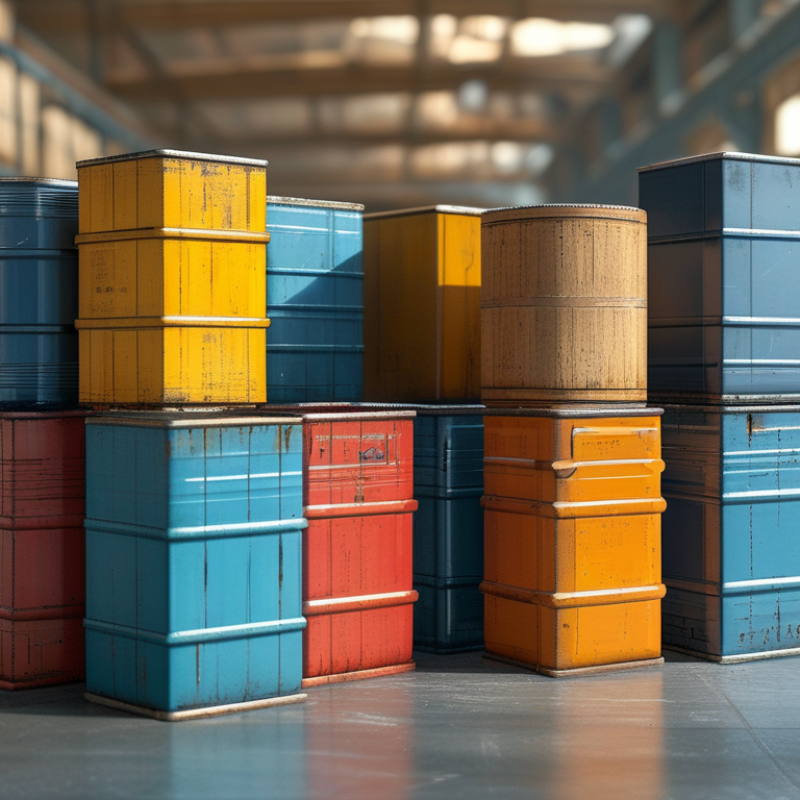
What Are Square Buckets and Their Uses in Various Industries?
Square buckets are versatile tools used across various industries, from agriculture to construction. Their unique shape provides benefits not found in traditional round buckets. According to a report by MarketsandMarkets, the global market for industrial containers, including square buckets, is expected to grow significantly, reaching $12 billion by 2025. This surge highlights the increasing reliance on square buckets in sectors where efficient storage and transportation are essential.
In the agricultural sector, square buckets serve multiple functions. They are widely used for transporting feed, watering livestock, and even as mixing containers for fertilizers. Their stackable design optimizes space, which is crucial on farms where equipment and materials are abundant. However, some users report issues with stability when filled to the brim, a reminder that even efficient tools can have limitations.
In the construction industry, square buckets are favored for hauling materials like concrete and gravel. They allow for easier pouring and control over the material flow. Despite their advantages, improper handling can lead to spills and accidents. This underlines the need for proper training and awareness when using industrial containers. As industries continue to evolve, it is essential to assess the practicalities and challenges that come with adopting square buckets.
Key Factors to Consider When Choosing a Square Bucket
When choosing a square bucket, several key factors are essential for global buyers. Understanding capacity is fundamental. Square buckets typically range from 1 to 10 gallons. Small buckets suit household tasks. Larger buckets suit industrial uses. Considering the right size improves efficiency and reduces waste. According to a recent market report, 62% of users prefer buckets with a capacity that meets specific project requirements.
Material choice impacts durability and weight. Common materials include plastic, metal, and fiberglass. Plastic buckets are lightweight and resistant to corrosion. Metal buckets provide extra strength but may rust over time. A study shows that 45% of professionals choose plastic for everyday tasks. However, these materials may not suit extreme conditions. Users should reflect on their specific needs to avoid mistakes.
Ergonomics should not be overlooked. A comfortable grip enhances user experience. Some square buckets feature handles designed for ease of carrying. User feedback suggests that 70% of buyers value ergonomic designs. However, not all buckets deliver on this front, leading to potential discomfort during use. Global buyers must evaluate user reviews to make informed decisions.
Comparative Analysis of Different Square Bucket Materials
When choosing square buckets, materials play a crucial role in determining their functionality and longevity. Common materials include plastic, metal, and wood. Each material brings unique advantages and disadvantages, impacting your decision.
Plastic square buckets are lightweight and resistant to corrosion. They are easy to clean and typically less expensive. However, they may not withstand heavy loads or extreme temperatures. In contrast, metal buckets offer superior durability when dealing with heavy materials. They are resistant to punctures but can rust over time without proper care. Wood buckets create a classic aesthetic but may rot or warp in moisture-rich environments.
Tips: Consider your specific needs for weight, durability, and exposure to elements. Opt for plastic if mobility and budget are priorities. For heavy-duty tasks, metal may be your best choice. Reflect on the intended environment of use; some materials may degrade faster than others.
Understanding the various square bucket materials can enhance your purchasing decision. Each option carries potential trade-offs. Think critically about what matters most to you. Always keep functionality and resilience in focus when making your selection.
Popular Brands and Models of Square Buckets in 2026
In 2026, choosing the right square bucket goes beyond simple function. The market offers a variety of models tailored for specific needs. When browsing, consider the bucket's material and size. Some are lightweight yet sturdy. Others excel in durability but may be heavier. Focus on features that fit your tasks.
Here are some tips. Look for a bucket with marked measurements. This can help with mixing or pouring. Also, check for ergonomic handles. A comfortable grip reduces strain during use. Avoid buckets without sturdy bases; they can tip easily.
Many buyers prefer brands known for reliability. Reading user reviews can provide insights, but not all opinions matter. Some reviews are biased. Ensure the sources are credible. You might find unexpected challenges in what seems perfect. A model that works for one task may not fit another. Always reflect on your personal needs before purchasing.
Tips for Buying Square Buckets Online: A Global Perspective
When shopping for square buckets online, it’s essential to consider material quality. Plastic, metal, or eco-friendly options exist. Each type has its advantages and drawbacks. For instance, plastic buckets are lightweight but may not withstand high temperatures. Metal options offer durability, but they can be prone to rust if not properly maintained.
Another factor is size. Square buckets come in various sizes for different needs. Think about your purpose. Are you storing items, collecting water, or using them for industrial tasks? Take measurements seriously! Online images can be misleading. Read product specifications to ensure the bucket fits your requirements.
Customer reviews provide valuable insights into reliability. Look for feedback on durability and usability. Not all online sellers offer the same quality. Sometimes, product descriptions miss out on important details. Chat with customer service for clarification as needed. This interaction can reflect a company's reliability. Testing waters with smaller purchases from a new supplier can help mitigate risks.