What are the Advantages of Using Aluminum Containers?
Aluminum containers are gaining attention in various industries due to their unique advantages. As Mark Thompson, an industry expert, noted, "Aluminum containers offer a blend of durability and versatility." This statement emphasizes the growing importance of aluminum in packaging solutions.
One of the primary benefits of aluminum containers is their lightweight nature. This characteristic makes them easy to transport and reduces shipping costs. Additionally, aluminum is highly recyclable, with 75% of all aluminum ever produced still in use today. This not only promotes sustainability but also appeals to eco-conscious consumers.
However, it’s important to consider the drawbacks of using aluminum containers. They can be more susceptible to dents and damage compared to heavier materials. Some consumers may also perceive aluminum as less premium than glass. These factors invite reflection on how the industry can address such concerns while maximizing the inherent benefits of aluminum containers.
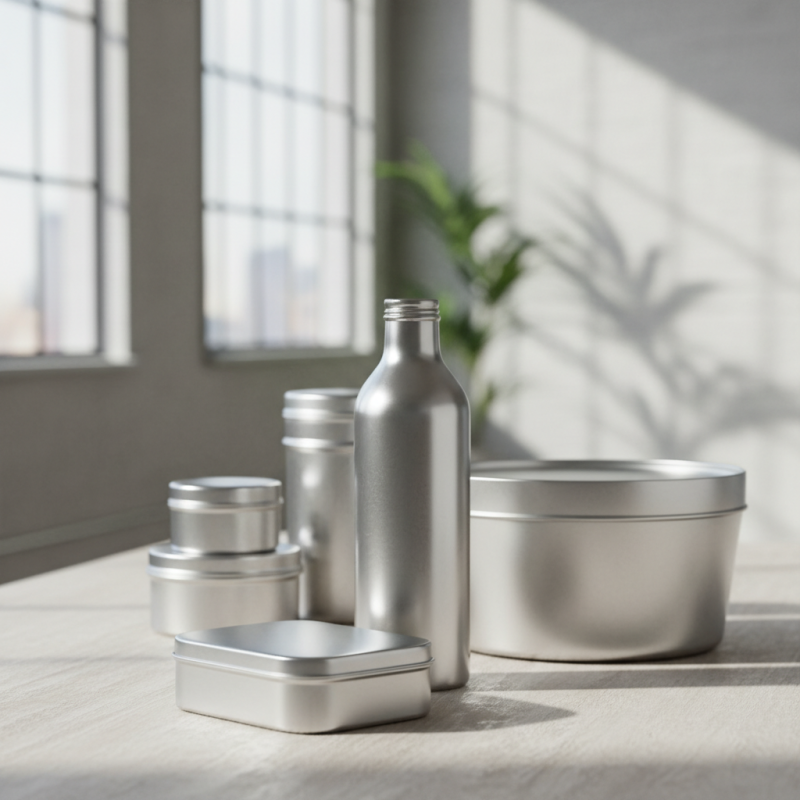
Advantages of Aluminum Containers in Food Storage
Aluminum containers are gaining popularity in food storage, primarily due to their unique benefits. They provide an excellent barrier against moisture and light, which is essential for preserving food quality. According to a report by the Aluminum Association, aluminum containers reduce spoilage significantly, extending shelf life by up to 30%. This feature is particularly beneficial for perishable items like fruits and vegetables.
Moreover, aluminum's lightweight nature contributes to lower transportation costs. A study published in the Journal of Packaging Technology found that switching to aluminum from glass can reduce shipping weight by nearly 50%. This reduction not only saves money but also minimizes carbon emissions. However, some skeptics raise concerns about aluminum leaching into food, questioning its safety. Current research indicates that the levels are generally considered safe, but ongoing studies are needed to ensure long-term health impacts are well understood.
Recycling is another advantage of aluminum containers. Around 75% of all aluminum produced is still in use today, according to the Aluminum Association. This high recycling rate reduces resource consumption, making aluminum containers an eco-friendly option. Yet, the recycling process can sometimes be inefficient due to contamination, highlighting a need for better public awareness and infrastructure. Understanding these dynamics helps in making an informed choice about food storage solutions.
What are the Advantages of Using Aluminum Containers? - Advantages of Aluminum Containers in Food Storage
| Advantage |
Description |
Use Case |
| Lightweight |
Aluminum containers are lighter than glass or plastic, making them easy to transport. |
Catering and food delivery services. |
| Heat Conductor |
Aluminum conducts heat efficiently, ensuring even cooking. |
Baking and roasting foods. |
| Recyclable |
Aluminum containers can be recycled multiple times without losing quality. |
Sustainable food packaging solutions. |
| Non-Toxic |
Aluminum is safe for food storage and does not leach harmful chemicals. |
Long-term food storage. |
| Barrier Properties |
Aluminum containers provide an effective barrier against light, moisture, and air. |
Packaging sensitive foods like chocolate. |
Lightweight Nature and Portability of Aluminum Containers
The lightweight nature of aluminum containers makes them an appealing choice across various industries. Weighing significantly less than glass or steel, aluminum can reduce transportation costs. A study by the Aluminum Association reveals that lighter packaging can save up to 10% in shipping expenses. This is particularly beneficial for businesses focused on sustainability and cost-effectiveness.
Portability is another strong advantage. Aluminum containers are easier to handle, making them ideal for distribution. Their durability also ensures they withstand rough handling during transit. Many companies report fewer damages due to the resilience of aluminum. Yet, not all aluminum containers are created equal. Some lower-quality containers may easily dent or corrode, which could compromise their functionality.
Moreover, the adaptability of aluminum allows for various shapes and sizes. Businesses can find a perfect fit for their specific needs. While there are challenges in recycling processes, the environmental benefits of aluminum are notable. Recycling rates for aluminum are high, with around 75% of aluminum ever produced still in use today. This statistic speaks to the longevity and sustainability of using aluminum containers.
Eco-Friendly Aspects of Aluminum Packaging
Aluminum containers stand out as a sustainable choice for packaging. They are lightweight, durable, and recyclable. One significant eco-friendly aspect of aluminum packaging is its ability to reduce waste. Unlike plastic, aluminum can be recycled multiple times without losing quality. This process saves energy and conserves natural resources, making aluminum a wise choice for environmentally conscious consumers.
Tips: Always look for recycled aluminum products. This helps close the recycling loop. Educate others about the benefits of using aluminum over plastic. Small changes can make a big impact.
Another notable advantage of aluminum containers is their contribution to reducing carbon emissions. Manufacturing aluminum has a lower carbon footprint when compared to plastic. Furthermore, aluminum reflects heat, reducing the energy needed for temperature control during transportation.
Tips: Choose aluminum for your next takeaway meal. Support restaurants that prioritize eco-friendly packaging. Every little decision helps the planet. It's a step towards sustainability, even if it seems small.
Advantages of Using Aluminum Containers
This chart showcases the various advantages of using aluminum containers, highlighting key aspects such as recyclability, lightweight nature, durability, cost-effectiveness, and thermal conductivity. Each advantage is represented as a percentage, indicating its significance in the overall benefits of aluminum packaging.
Durability and Strength of Aluminum Containers
Aluminum containers are gaining popularity due to their exceptional durability and strength. They are incredibly robust, making them ideal for various applications. According to the Aluminum Association, aluminum has a high strength-to-weight ratio. This means it can withstand significant stress while remaining lightweight. Many industries are adopting aluminum for packaging due to its resilience in transporting goods.
One noteworthy advantage lies in aluminum's corrosion resistance. Unlike other materials, aluminum does not rust, ensuring that products remain safe and uncontaminated. A study by the European Aluminum Association reveals that aluminum containers can resist extreme temperatures. They maintain structural integrity even in harsh conditions. This resilience is crucial for preserving food quality and prolonging shelf life.
While the benefits are substantial, challenges do exist. Aluminum containers can be more expensive than plastic alternatives. Some stakeholders worry about the environmental impact of aluminum production. However, recycling rates for aluminum are high—around 75% according to the International Aluminum Institute. Hence, the lifecycle of aluminum containers remains an important consideration in the broader context of sustainability.
Versatility in Applications of Aluminum Containers
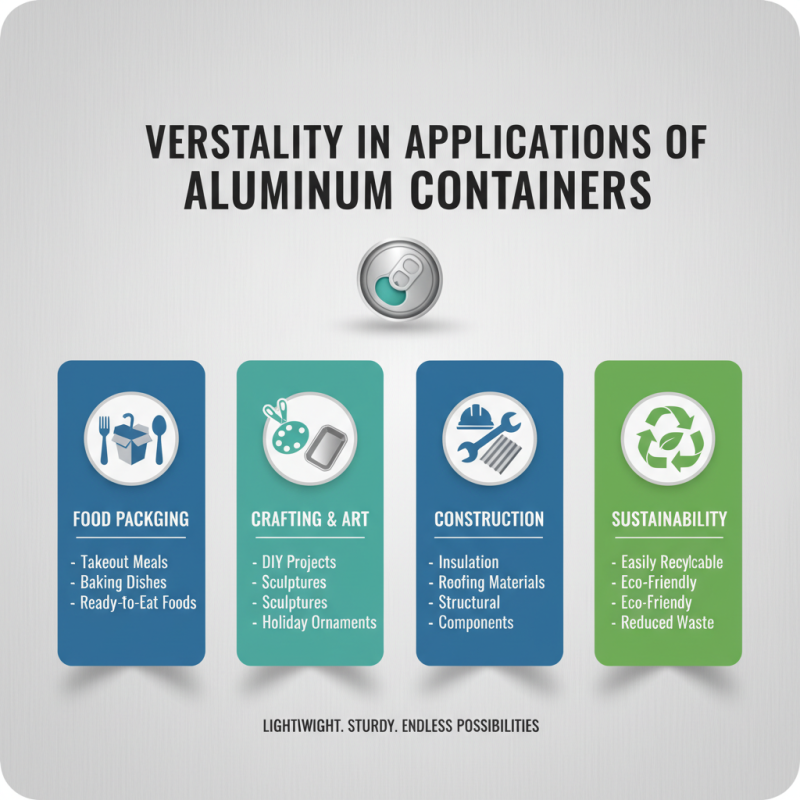
Aluminum containers offer remarkable versatility in various applications, making them popular in many industries. They are lightweight yet sturdy, which makes them an excellent choice for food packaging, crafting, and even construction. The ability to recycle aluminum easily contributes to its sustainability, appealing to eco-conscious consumers. From takeout meals to baking dishes, aluminum containers cater to diverse needs.
For those looking to use aluminum containers effectively, consider their heat conductivity. This feature allows for even cooking, making them ideal for baking or roasting. Always ensure the container is suitable for the application to avoid unintended reactions with certain foods. Tips for best results include using a light coat of oil while cooking. This will enhance the flavor and aid in easy cleanup.
Another advantage is the flexibility in design. You can find aluminum containers in various shapes and sizes. This makes them adaptable for different food portions and serving styles. However, it's crucial to store them properly. Exposure to moisture can degrade the quality over time. Ensuring a dry environment will maintain their integrity and functionality.