Top 10 Aluminium Foil Container Benefits for Global Buyers
In the fast-evolving packaging industry, aluminium foil containers stand out for their versatility and benefits. John Smith, a packaging expert with over 20 years of experience, emphasizes the significance of this material. He states, "Aluminium foil containers are not just practical; they elevate food quality and enhance presentation."
These containers offer numerous advantages to global buyers. They are lightweight yet strong, ensuring that food remains fresh during transport. Additionally, their resistance to moisture and oxygen extends shelf life, a critical factor for retailers and consumers alike. Environmentally, aluminium is recyclable, appealing to eco-conscious buyers.
However, some challenges exist. Many still overlook the full potential of aluminium foil containers. Awareness of their benefits is growing, but misconceptions persist. Buyers must recognize their effectiveness in both hot and cold applications. As the packaging landscape continues to evolve, understanding these aspects is crucial for informed decisions.
Advantages of Aluminium Foil Containers for Food Packaging
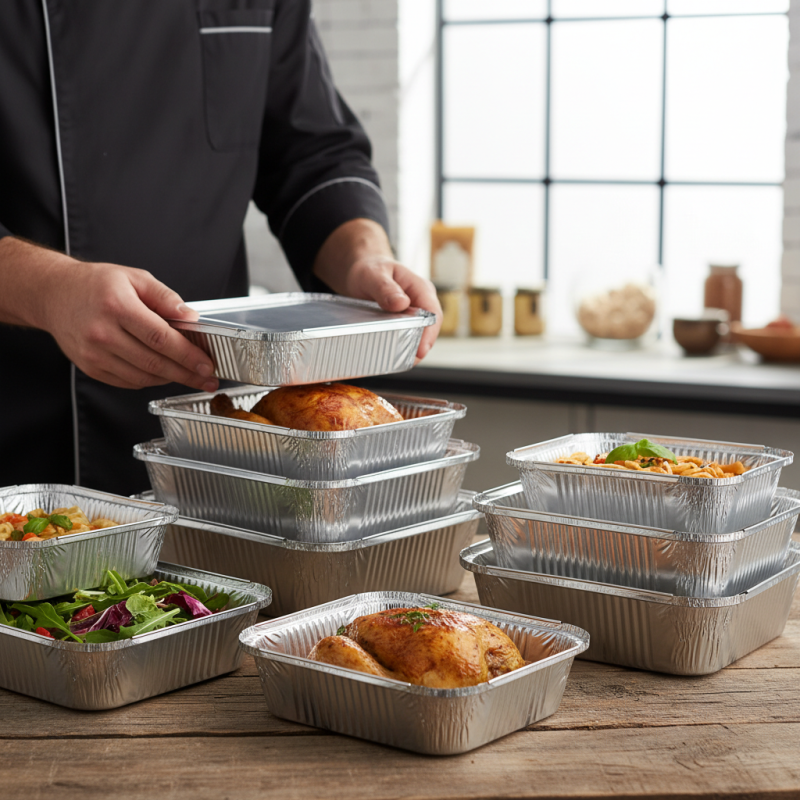
Aluminium foil containers are increasingly popular for food packaging. They offer excellent protection against light, moisture, and air. This keeps food fresh for longer periods. Moreover, these containers are lightweight and easy to handle. Their durability allows for safe transport, reducing the risk of breakage.
One key advantage is their versatility. Aluminium foil containers come in various shapes and sizes. This adaptability caters to diverse food categories, from baked goods to prepared meals. However, some may find that not all types are microwave-safe. This is an aspect that requires careful consideration in food packaging decisions.
Sustainability plays a significant role as well. Aluminium is infinitely recyclable, making it an eco-friendly option. But recycling infrastructure may vary across regions. This inconsistency can lead to challenges in sustainability efforts. In essence, while aluminium foil containers offer many benefits, users should reflect on local recycling capabilities and ensure proper disposal to maximize environmental benefits.
Eco-friendly Aspects of Aluminium Foil Containers in Global Markets
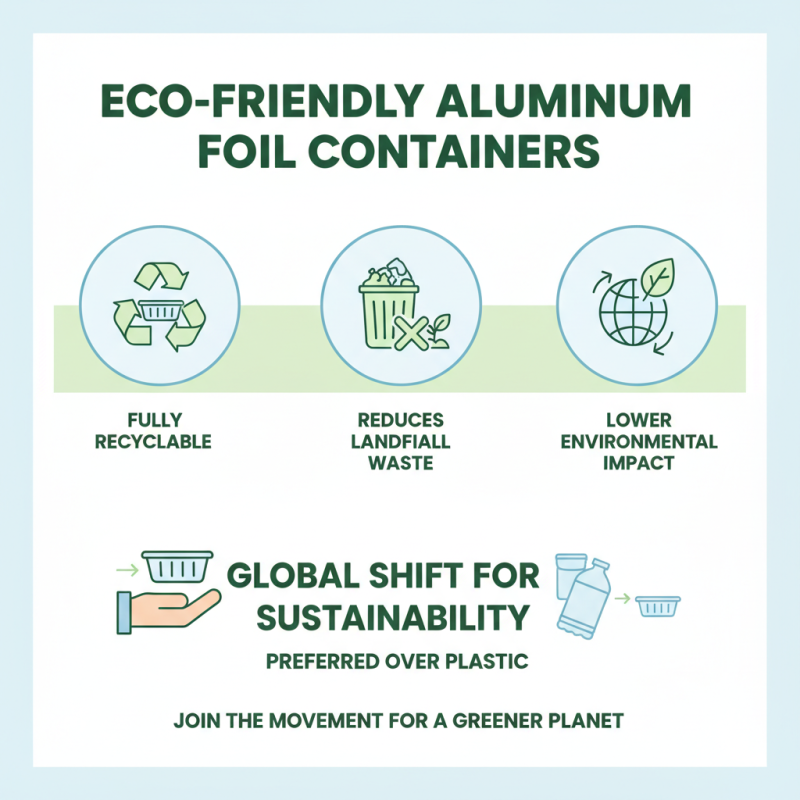
Aluminium foil containers are gaining popularity in global markets due to their eco-friendly attributes. These containers are fully recyclable, reducing waste in landfills. Many consumers appreciate their minimal environmental impact. In regions striving for sustainability, choosing aluminium over plastic can make a significant difference. The shift toward aluminium not only helps the planet but also reflects a growing awareness among buyers.
Furthermore, aluminium foil containers boast energy efficiency in production. They require less energy to manufacture compared to other materials. This aspect appeals to businesses looking to enhance their sustainability profiles. However, the recycling process is not flawless. Many consumers still lack knowledge about proper recycling methods related to aluminium. Education is crucial for maximizing the benefits.
While the eco-friendly features are compelling, challenges remain. The aluminium industry often faces scrutiny over mining practices. Ensuring responsible sourcing of raw materials is vital. Buyers must remain vigilant about their choices. Understanding the entire lifecycle of aluminium products fosters a culture of accountability. Embracing these containers carries weight, demanding conscious consumerism from every user.
Cost-Effectiveness of Using Aluminium Foil Containers for Small Businesses
Aluminium foil containers offer exceptional cost-effectiveness for small businesses. These containers are lightweight yet durable, making them easy to handle. They can be used in various settings, from food service to storage. Their affordability allows small enterprises to reduce overhead costs while maintaining quality.
The versatility of aluminium foil containers is a notable advantage. They can be used for baking, cooking, and storing, which saves money on multiple products. This adaptability can be a game-changer, especially for restaurants or catering services. Additionally, aluminium conducts heat evenly, which enhances cooking efficiency. This can lead to lower energy bills.
However, it's essential to reflect on potential downsides. Some customers may prefer sustainable materials over aluminium. There might also be concerns about the environmental impact of single-use products. Balancing cost savings with eco-friendliness can be tricky. Small businesses should consider customer preferences while making purchasing decisions.
Top 10 Aluminium Foil Container Benefits for Global Buyers
| Benefit |
Description |
Cost-Effectiveness |
| Lightweight |
Easy to handle and transport, reducing shipping costs. |
Lower shipping expenses enhance profit margins. |
| Versatile Use |
Suitable for various food types and cooking methods. |
Reduces the need for multiple packaging types. |
| Recyclable |
Eco-friendly option that can be recycled easily. |
Attracts environmentally conscious consumers. |
| Durability |
Strong and resistant to damage during transport. |
Minimizes product loss due to breakage. |
| Heat Resistance |
Can withstand high temperatures, ideal for baking and cooking. |
Saves on energy costs with efficient cooking methods. |
| Cost Effective |
Affordable production and material costs. |
Better pricing options for small businesses. |
| Customizable |
Can be produced in various shapes and sizes. |
Facilitates branding and unique product offerings. |
| Storage Efficiency |
Stackable design for easier storage. |
Maximizes storage space and reduces warehousing costs. |
| Food Preservation |
Keeps food fresh by minimizing exposure to air. |
Reduces food waste costs. |
| Convenient Disposal |
Can be disposed of easily after use. |
Saves time and labor costs in cleaning. |
Versatility of Aluminium Foil Containers in Different Culinary Applications
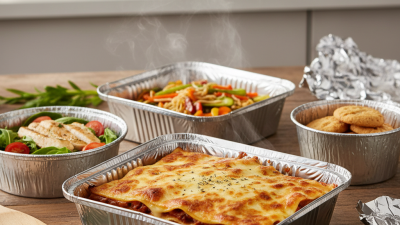
Aluminium foil containers are incredibly versatile in culinary applications. They are excellent for baking, grilling, and food storage. These containers can withstand high temperatures, making them ideal for both freezing and heating. They maintain moisture while allowing for even cooking, which can enhance the flavor of various dishes.
Cooking with aluminium foil containers can be straightforward. However, improper usage can lead to issues. Always ensure that the containers are compatible with the oven’s temperature. Avoid using them in microwave ovens unless explicitly designed for that purpose.
Tips: When serving food, consider using these containers for portion control. It’s easy to overestimate serving sizes. Additionally, remember the importance of proper sealing. Use lids or covers to maintain freshness and prevent spills during transport.
Whether for meal prep or festive occasions, aluminium foil containers offer convenience. They simplify clean-up and storage. However, always reflect on their environmental impact. Look for recycling options in your community. Understanding the balance between convenience and sustainability is vital.
Top 10 Aluminium Foil Container Benefits for Global Buyers
This chart illustrates the top 10 benefits of using aluminium foil containers, showcasing their versatility and effectiveness in various culinary applications. Each benefit is rated based on its importance and utility for global buyers.
Safety and Health Benefits of Aluminium Foil Containers for Food Storage
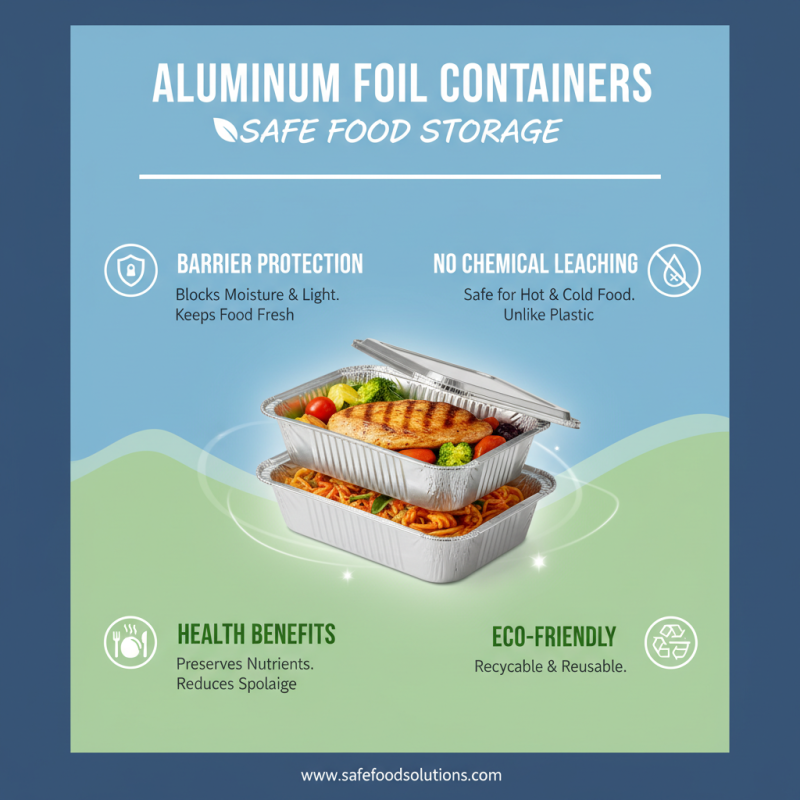
Aluminium foil containers are gaining attention for their safety and health benefits in food storage. They offer a robust barrier against moisture and light, which helps preserve food freshness. Unlike plastic containers, they do not leach harmful chemicals into food. This makes them a safe choice, especially for hot meals.
Another advantage is their recyclability. Unlike many single-use plastics, aluminium is widely recyclable. This reduces waste and is better for the environment. When you choose aluminium containers, you make a sustainable choice that benefits both your health and the planet.
**Tip:** Always check for any visible damage on the container before use. Even small dents can compromise its integrity.
**Tip:** For best results, store food at proper temperatures. Aluminium containers help maintain temperature, but always ensure your fridge settings are correct.
**Tip:** Keep an eye on storage times. Although aluminium can help extend shelf life, it's essential to use food within safe limits.