What is an Aluminium Food Container and its Benefits?
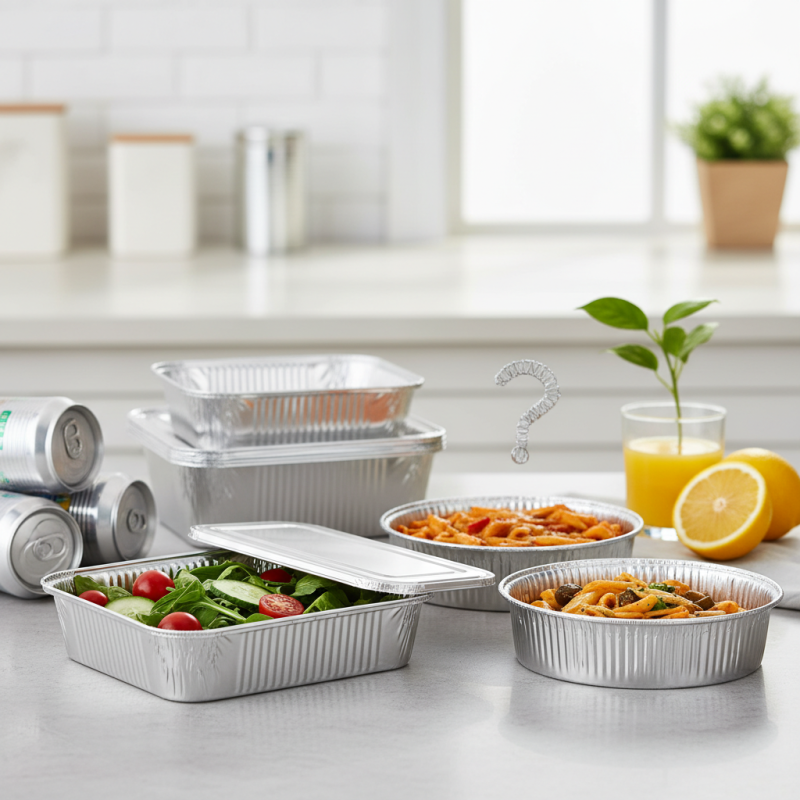
Aluminium food containers are becoming a popular choice in kitchens everywhere. They offer numerous benefits, making meal preparation and storage easier. Lightweight yet durable, these containers can withstand various temperatures, ensuring your food stays fresh.
One key advantage of aluminium food containers is their recyclability. Unlike plastic, which often ends up in landfills, aluminium can be reused multiple times. This aspect makes them an environmentally friendly option. Additionally, they are often designed to resist spills and leaks, which can be a common issue with other materials.
However, it’s important to reflect on how we use aluminium food containers. Some may overlook their potential drawbacks, such as the risk of food reactions with certain acidic dishes. Understanding both the benefits and limitations leads to smarter choices. Embracing aluminium food containers can enhance your culinary experience and promote sustainability.
What is an Aluminium Food Container?
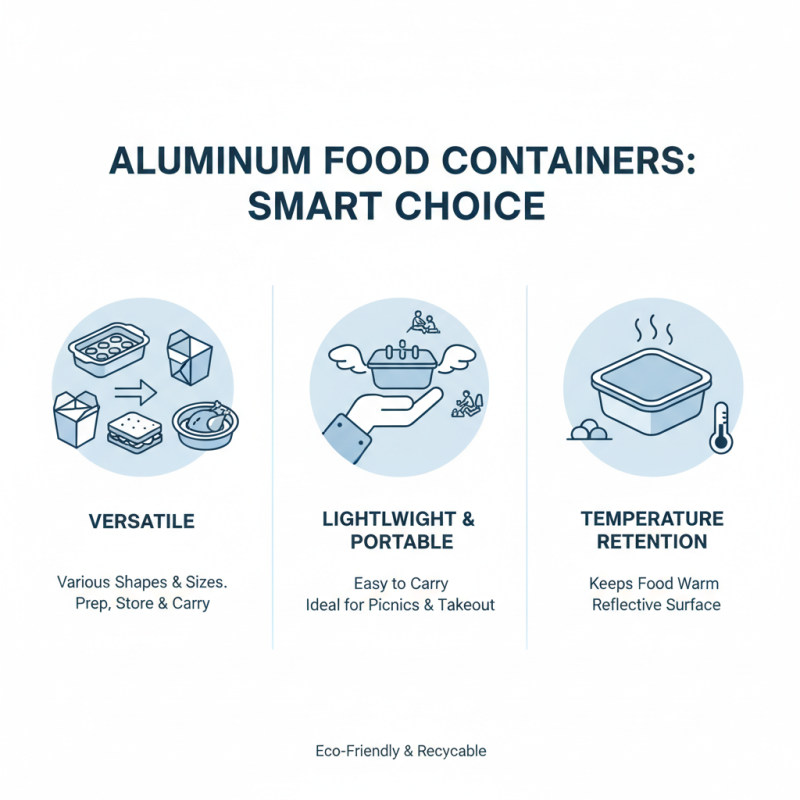
Aluminium food containers are versatile tools for food storage and preparation. They come in various shapes and sizes, making them ideal for many meals and snacks. Their lightweight nature makes them convenient to carry, especially for picnics or takeout. The reflective surface helps keep food warm for longer.
These containers are also popular because they resist corrosion and are often recyclable. However, improper use can lead to undesirable outcomes. For instance, using them to store acidic foods may alter flavors over time. It’s essential to be mindful of what you put inside.
**Tip:** Always check if your aluminium containers are suitable for reheating. Some may not withstand high temperatures.
While these containers are convenient, keeping them clean is vital. Scratches can occur, allowing harmful bacteria to thrive. Avoid using metal scrubbers as they can damage the surface.
**Tip:** After use, wash the containers with mild soap and water, and dry them immediately to prevent damage.
Using aluminium containers does have its drawbacks. If not stored properly, they can lose their structural integrity. It's crucial to stack them correctly to avoid bends or warps.
Common Types of Aluminium Food Containers
Aluminium food containers come in various types, each serving different purposes. Some are designed for storage, while others are ideal for cooking or serving meals. One common type is the disposable aluminium tray. These trays are lightweight and perfect for barbecues or parties. They can hold a range of foods, from meats to vegetables. Many people appreciate their convenience but struggle with recycling them afterward.
Another popular option is the aluminium food container with lids. These containers are sturdy and can be reused several times. They are great for meal prepping or taking food to work. However, people often overlook the importance of sealing them properly. When the lid isn’t fitted well, it can lead to leaks. Additionally, some containers can stain easily with certain foods, which might be frustrating.
Finally, the eco-friendly aspect of aluminium containers shouldn’t be ignored. They are recyclable and can reduce plastic waste. Yet, there remains a lack of awareness about proper recycling methods. Many still toss them in regular trash. Understanding their unique benefits and downsides can help users make the best choice for their culinary needs.
Aluminium Food Containers Usage Statistics
Benefits of Using Aluminium Food Containers
Aluminium food containers are gaining popularity in various dining settings. They are lightweight and durable. These containers can withstand hot and cold temperatures. This makes them ideal for takeout and meal prep. They are also recyclable, which appeals to environmentally conscious consumers.
One big benefit is their ability to preserve food freshness. The material protects against moisture and air exposure. This helps to keep meals flavorful and safe to eat. However, it's important to note that not all aluminium containers are suitable for all foods. Acidic dishes may react with aluminium, affecting taste and health.
Another aspect to consider is their cost-effectiveness. They can be purchased in bulk, reducing overall expenses. Yet, some users find that they can dent or lose shape easily. Using them requires a bit of care to maintain their integrity. Overall, aluminium food containers offer practical benefits but may require thoughtful usage.
Environmental Impact of Aluminium Food Containers
Aluminium food containers are lightweight and versatile. They are widely used in many kitchens and restaurants. However, their environmental impact is a growing concern. While aluminium can be recycled, the process requires significant energy. This energy use contributes to greenhouse gas emissions.
Recycling is crucial, yet not everyone does it. Many people still toss containers in the trash. This leads to more waste in landfills. On the other hand, recycling helps reduce the need for new aluminium, saving natural resources. It's a mixed bag, as convenient as these containers are, we must consider their lifecycle.
**Tips:**
Always rinse containers before recycling. This improves the recycling process. Opt for reusable containers when possible. Small changes can make a big impact. Educating others about proper recycling is essential too. Make it a community effort to reduce waste.
What is an Aluminium Food Container and its Benefits? - Environmental Impact of Aluminium Food Containers
| Characteristic |
Details |
| Material |
Aluminium |
| Weight |
Lightweight |
| Recyclability |
Highly recyclable, can be reused multiple times |
| Thermal Conductivity |
Excellent heat conductor, suitable for baking |
| Barrier Properties |
Good barrier against moisture and light |
| Environmental Impact |
Lower carbon footprint compared to plastic containers |
| Usage |
Ideal for food storage, cooking, and takeout |
How to Properly Dispose of Aluminium Food Containers
When it comes to aluminium food containers, proper disposal is crucial. Many people don't realize that aluminium can be recycled. However, improper disposal can lead to waste. Rinse the containers before throwing them away. This reduces contamination and ensures a higher recycling rate.
Consider reusing aluminium containers. They can serve as storage for leftovers or as organizers. If you still want to dispose of them, check local recycling guidelines. Not all places accept them. Sometimes you may find yourself confused about where to take them. Some areas have special drop-off points.
Make an effort to separate them from general waste. Small actions make a difference. Instead of tossing them in the trash, take a moment to recycle. It might seem inconvenient, but it helps the planet. Reflect on how often you use these containers. Are you being mindful? Recycling is a shared responsibility.