Why is Aluminium Packaging Becoming Popular in Modern Industries?
In recent years, aluminium packaging has gained significant traction within various industries. Its popularity stems from a combination of sustainability, versatility, and efficiency. According to a report by the Aluminium Association, aluminium recycling has reached an impressive rate of over 75%. Such statistics highlight the eco-friendliness of aluminium packaging, making it a preferred choice for environmentally conscious brands.
The food and beverage sector, in particular, has seen a surge in the use of aluminium packaging. This trend is evident with aluminium cans now accounting for 50% of beverage packaging in the US. Consumers appreciate the lightweight and protective qualities of aluminium, ensuring freshness and prolonging shelf life. However, there are still concerns regarding the environmental impact of production processes.
Despite the advantages, the industry faces challenges in balancing innovation and sustainability. Companies must reflect on their practices and strive for better, more responsible solutions. The ongoing growth of aluminium packaging presents both opportunities and areas for improvement, prompting discussions on future advancements.

Factors Driving the Popularity of Aluminium Packaging in Industries
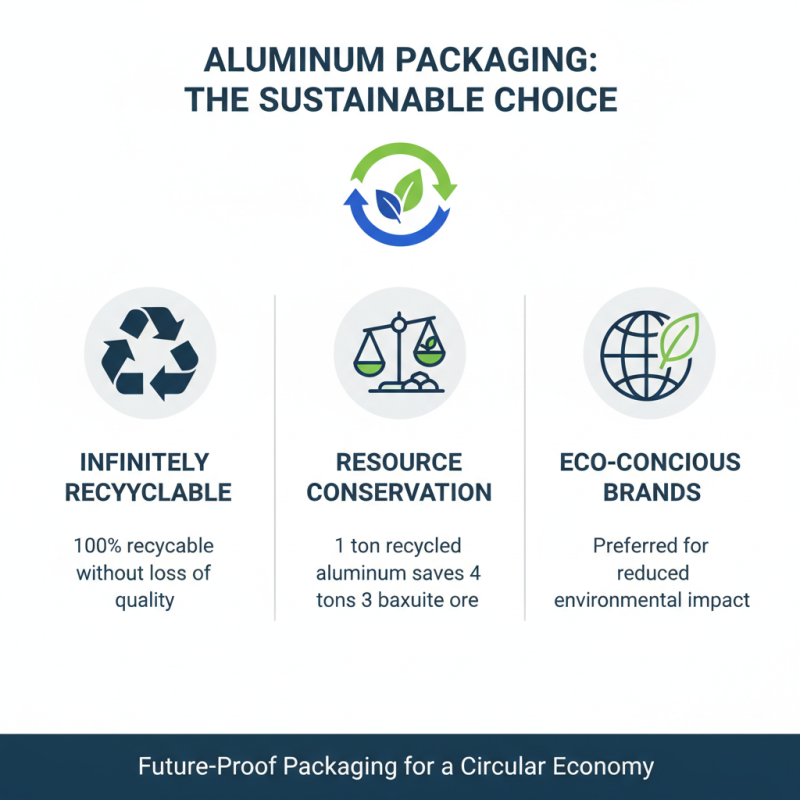
Aluminium packaging is gaining momentum in various industries. One major factor is its sustainability. Reports show that aluminium is 100% recyclable without loss of quality. In fact, recycling one ton of aluminium can save over 4 tons of bauxite, the primary ore. This makes aluminium a superior choice for eco-conscious brands.
Another driving factor is the lightweight nature of aluminium. This material reduces transportation costs significantly. Studies indicate that lighter packages can lead to a decrease in carbon emissions during logistics. Brands often overlook this benefit. With rising fuel prices, using aluminium is not just eco-friendly; it is economically advantageous as well.
Moreover, aluminium offers excellent barrier properties. It protects products from light, oxygen, and moisture effectively. This is crucial for food and beverage industries. However, some consumers still have concerns about food safety and leaching. The industry must address these fears to maintain the momentum. While aluminium packaging is promising, ongoing improvements are needed.
Environmental Impact: The Sustainability Benefits of Aluminium Packaging
Aluminium packaging is gaining traction in various industries thanks to its sustainability benefits. This material is highly recyclable, with about 75% of all aluminium ever produced still in use. This characteristic significantly reduces the environmental footprint of products. Unlike plastics, aluminium can be recycled indefinitely without losing its quality. It's a win for both producers and consumers wanting to make eco-friendly choices.
There are challenges too. While recycling rates are high in some regions, many areas still struggle. Waste separation and proper facilities are essential for maximizing aluminium's potential. Also, the energy used in production creates emissions. However, advancements in sustainable practices can minimize this issue. Innovative techniques are emerging to make production cleaner and less energy-intensive.
The journey towards a sustainable future involves continuous reflection and improvement. Biodegradability is still a concern. Though aluminium is recyclable, the energy costs during production remain a topic of discussion. As industries seek greener alternatives, aluminium packaging stands out, but it is not without its complexities.
Environmental Impact of Aluminium Packaging
Versatility of Aluminium: Applications Across Multiple Sectors
Aluminium packaging is gaining traction across many industries. Its lightweight nature makes it ideal for shipping. Companies appreciate how it reduces transportation costs. This efficiency is crucial in today’s fast-paced market. Also, aluminium is highly recyclable, appealing to eco-conscious consumers. Its reusability is vital for sustainability goals.
In the food industry, aluminium keeps products fresh longer. It acts as a barrier against light, air, and moisture. This quality extends shelf life, reducing food waste. The cosmetics sector benefits, too. Aluminium containers offer a sleek design while preserving product integrity. Yet, not all products require this level of packaging.
Challenges remain. Some consumers prefer other materials due to perceptions of taste and safety. Misunderstandings about aluminium leaching can influence choices. Producers must address these concerns through education. The versatility of aluminium is evident, but manufacturers need to ensure it meets customer expectations. Balancing innovation with safety will be key in moving forward.
Cost-Effectiveness: Economic Advantages of Aluminium Packaging Solutions
Aluminium packaging is gaining traction in various industries due to its cost-effectiveness. The material is lightweight, which reduces shipping costs. Many companies find that it leads to significant savings in transportation. Furthermore, aluminium is recyclable, making it a sustainable choice. Businesses recognize that this can enhance their brand image.
The manufacturing process for aluminium has also improved, lowering production costs. Some innovations have made it easier to produce thin layers, which are cheaper to create. Yet, some industries struggle with the initial investment needed for aluminium solutions. Transitioning from existing packaging methods can be daunting. Companies sometimes hesitate, fearing changes in supply chains.
At the same time, consumers are increasingly environmentally conscious. They prefer products with sustainable packaging. This shift influences companies to rethink their choices. Some firms successfully make the switch, but it requires careful planning. Looking ahead, there are challenges to address, but the economic advantages are clear.
The future of aluminium packaging appears bright, but industries must navigate potential obstacles to reap its full benefits.
Consumer Preferences: Trends Favoring Aluminium in Product Packaging
Aluminium packaging is gaining traction in various industries due to changing consumer preferences. More people are becoming environmentally conscious. As a result, they seek sustainable options. Aluminium is 100% recyclable, making it an eco-friendly choice. Its lightweight nature also appeals to consumers. Lighter products reduce carbon footprints during transportation.
Tips: Choose brands that use recycled aluminium. This can make a difference. It helps create a circular economy.
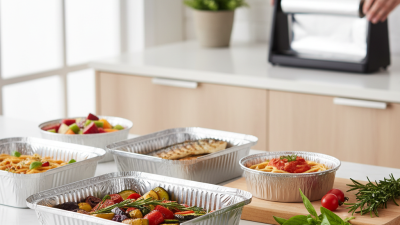
Additionally, aluminium offers superior preservation. It protects contents from light and oxygen effectively. Many consumers notice that products in aluminium last longer. This aspect drives loyalty and repeat purchases. It also supports meal prep trends, as aluminum containers are convenient and reusable.
Tips: Consider the convenience of aluminium containers for meal prep. They make planning easier and reduce waste.
Despite the benefits, there are challenges. Some consumers still worry about the potential health risks related to aluminium. These concerns need addressing through transparency and education. Brands must communicate clearly. Trust plays a crucial role in consumer choices today.