What is an Aluminum Container and Why You Need One?
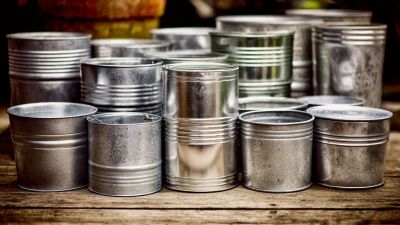
An aluminum container has become an essential item for various applications. Its lightweight yet durable nature makes it a popular choice for storage and transportation. Many industries, including food and pharmaceuticals, rely on aluminum containers for their effectiveness.
The reasons to choose an aluminum container are numerous. They offer excellent protection against contaminants and are resistant to corrosion. This attribute ensures that the contents remain fresh and uncontaminated. Moreover, aluminum is recyclable, making these containers an environmentally friendly option.
However, it's essential to reflect on the limitations too. Not all aluminum containers are suitable for every product. Some materials react with aluminum, affecting the integrity of the container. Understanding these nuances is crucial in selecting the right aluminum container for specific needs. Awareness of these factors enhances trust in the usage of aluminum containers while acknowledging their imperfections.
What is an Aluminum Container?
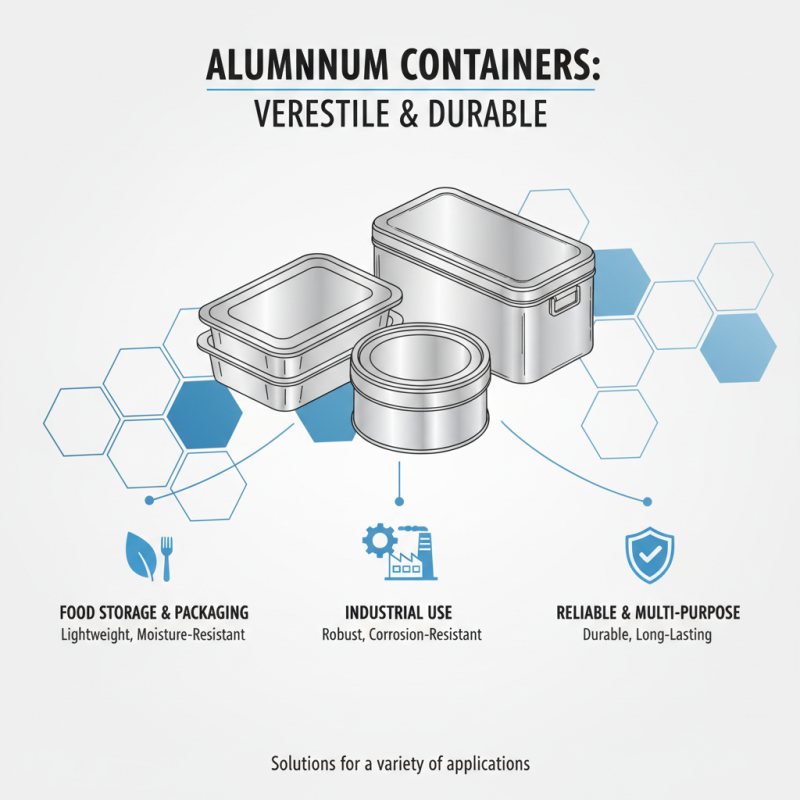
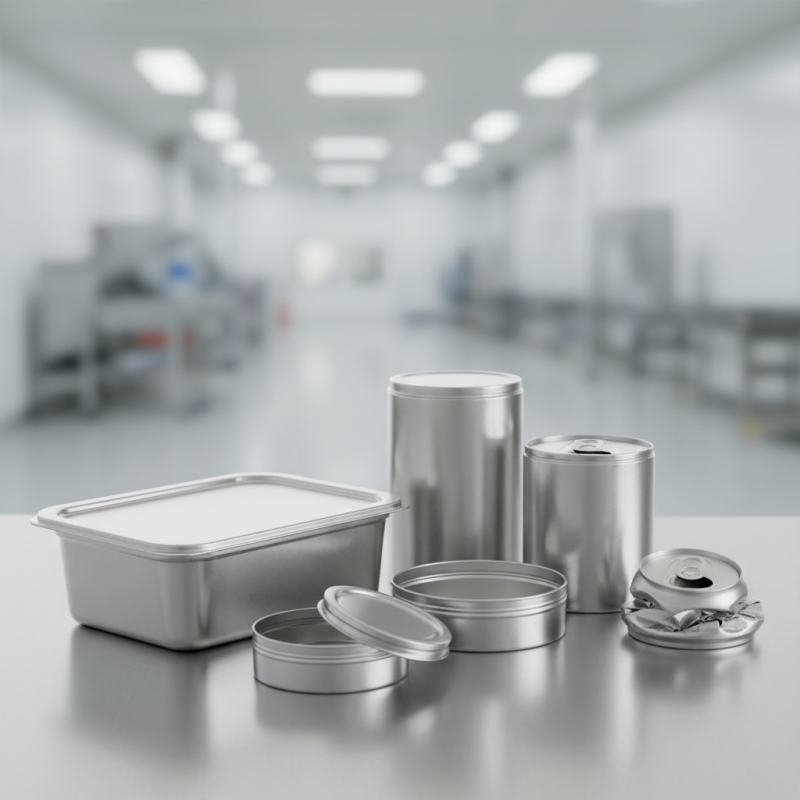
Aluminum containers are versatile and durable solutions for storage and packaging. They are lightweight yet robust, making them ideal for various applications. From food storage to industrial use, these containers serve many purposes. Their resistance to corrosion and moisture further enhances their reliability.
One of the key advantages of aluminum containers is their recyclability. They can be repurposed without losing quality. This makes them an environmentally friendly choice. It's important to consider where you source your aluminum to ensure ethical production practices.
When choosing an aluminum container, pay attention to size and shape. The right dimensions can optimize space and prevent waste. Avoid containers that look damaged or have dents. Flaws can compromise the container's integrity. Always check for any signs of wear and tear before use.
Tip: Store your aluminum containers in a dry place. This prevents moisture buildup, which can lead to deterioration. Keep them away from extreme temperatures too, as this can affect their performance. Regularly inspect your containers to ensure they remain in good condition.
Benefits of Using Aluminum Containers for Storage
Aluminum containers offer numerous advantages for storage, particularly in maintaining freshness and safety. They are lightweight yet robust, making them an excellent choice for both home and commercial use. These containers resist corrosion, which is essential for storing food items. The reflective surface of aluminum also helps to keep contents cooler. This feature can be beneficial when storing perishable goods, as it contributes to longevity.
Using aluminum containers can significantly reduce waste. They are often recyclable, promoting a more sustainable approach. However, some may overlook proper recycling practices, leading to contamination. This is a common issue that requires attention. The versatility of aluminum allows it to be used for various storage needs, from leftovers to ingredients. Yet, it is important to consider the contents, as acidic foods can react negatively with aluminum.
Selecting the right container is vital. Not all aluminum containers are created equal. Some may lack the durability needed for long-term storage. Additionally, while they provide excellent insulation, mishandling can lead to denting and loss of integrity. Keeping these factors in mind allows users to maximize the benefits of aluminum storage solutions. Engaging with this eco-friendly material can lead to better organization and efficiency in daily life.
What is an Aluminum Container and Why You Need One? - Benefits of Using Aluminum Containers for Storage
| Benefit |
Description |
Applications |
| Durability |
Aluminum containers are resistant to corrosion and can withstand rugged handling. |
Food storage, chemical storage |
| Lightweight |
They are much lighter than glass or other types of containers, making them easier to transport. |
Shipping, catering |
| Recyclable |
Aluminum is 100% recyclable without losing quality, contributing to sustainability. |
Eco-friendly packaging, food services |
| Temperature Resistance |
They can withstand extreme temperatures, making them ideal for freezing or heating. |
Cooking, refrigeration |
| Non-reactive |
Aluminum containers do not react with food, maintaining flavor and safety. |
Food storage, catering |
Applications of Aluminum Containers in Various Industries
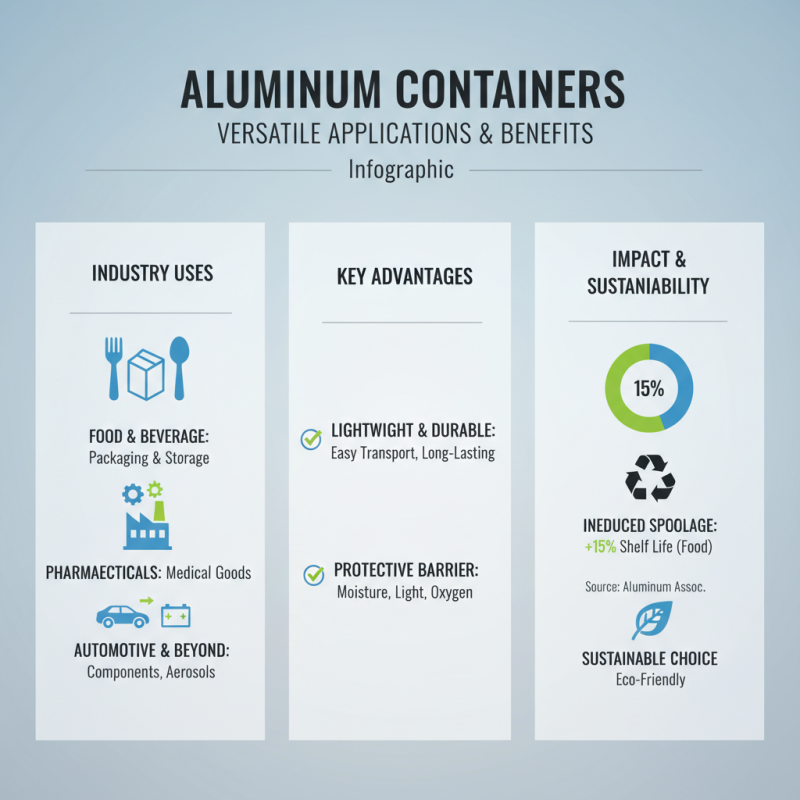
Aluminum containers have gained prominence across various industries due to their lightweight nature and durability. In the food and beverage sector, they are widely used for packaging and storing products. According to a recent report by the Aluminum Association, the use of aluminum in food packaging reduces spoilage by up to 15%. This significantly enhances shelf life and ensures safety and freshness.
In the aerospace industry, aluminum containers are crucial for transporting sensitive materials. Their strength-to-weight ratio contributes to fuel efficiency and lower emissions. The International Aerospace Quality Group estimates that using aluminum packaging can lead to a 20% reduction in transport costs. However, the industry faces challenges in recycling and waste management. Many manufacturers need to improve their sustainability practices.
Pharmaceuticals also benefit from aluminum containers. These containers protect medicines from external elements, maintaining potency. The World Health Organization emphasizes that proper packaging is essential for drug efficacy. Yet, despite these advantages, there is a need for better education on recycling practices to maximize environmental benefits.
Environmental Impact and Sustainability of Aluminum Containers
Aluminum containers have gained attention due to their positive environmental impact. They are lightweight and recyclable, making them an excellent choice for packaging. According to the Aluminum Association, recycling aluminum requires 95% less energy than producing new aluminum. This significant reduction in energy consumption lowers greenhouse gas emissions.
A study from the International Aluminum Institute reveals that aluminum can be recycled indefinitely without losing quality. In fact, the recycling process saves around 90% of the energy compared to producing primary aluminum. This cycle promotes sustainability and conserves resources, highlighting the material's long-term value.
Yet, not all aluminum packaging is created equal. Some processes may involve significant carbon footprints. According to research, approximately 30% of the energy utilized in aluminum production comes from fossil fuels. This offers room for improvement in the industry, emphasizing the importance of enhanced recycling practices and sourcing methods. The future of aluminum containers relies on minimizing these environmental impacts while maximizing durability and recyclability.
Environmental Impact of Aluminum Containers
Aluminum containers have a significant environmental impact, showcasing low energy use in production, high recyclability, and lower CO2 emissions compared to other materials. This chart illustrates key metrics regarding the sustainability of aluminum containers.
Choosing the Right Aluminum Container for Your Needs
When selecting the right aluminum container, consider your specific needs. The size and shape matter significantly. A smaller container fits well in a backpack or lunchbox. Larger options are perfect for bulk storage or cooking. Each choice can impact practicality. Think about what you will store inside. Liquids require leak-proof lids, while solids may not.
Material thickness is another crucial factor. Thicker aluminum offers better durability. This is especially important if the container may be reused multiple times. A flimsy option may bend or warp easily. Reflecting on your habits is essential—how often will you use this container? Frequent users should opt for sturdier models.
Additionally, consider insulation properties. Some aluminum containers are designed to keep food hot or cold. If you enjoy outdoor activities, this feature can enhance your experience. However, it's easy to overlook these details when purchasing. Always ask yourself: Will this container stand the test of time? Ultimately, the right choice should align with your lifestyle and routines.