What is Aluminum Wrap and How Can It Be Used Effectively
Aluminum wrap is a versatile and invaluable tool in both culinary and household applications. Its reflective properties not only help in keeping food fresh but also enhance cooking efficiency. By retaining heat, aluminum wrap allows for better cooking results, making it an essential component in food preparation. Beyond the kitchen, it serves various purposes around the home, from wrapping leftovers to lining cooking trays, thereby reducing cleanup time.
Understanding how to use aluminum wrap effectively can significantly impact meal planning and food storage. When used correctly, it can prevent moisture loss, shielding food from freezer burn while prolonging shelf life. Additionally, its lightweight yet durable nature makes it ideal for layering and securing items when traveling or storing. This introduction to aluminum wrap showcases its multifaceted uses, emphasizing its role as a staple product that simplifies everyday tasks and enhances our cooking experiences.
What is Aluminum Wrap?
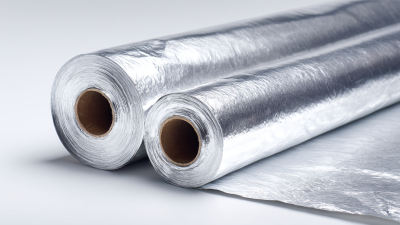
Aluminum wrap, often referred to as aluminum foil, is a versatile kitchen staple made from thin sheets of aluminum. Its uses span across various cooking techniques, food storage solutions, and even industrial applications. The material is renowned for its reflective properties, which allow it to effectively trap heat and prevent moisture loss. According to a report by Smithers Pira, the global aluminum foil market is expected to grow at a CAGR of 3.6% from 2020 to 2025, driven by increasing demand in food packaging and household uses.
One of the most common uses of aluminum wrap is in food preservation. When wrapped tightly around perishable items, it protects them from exposure to air and light, significantly extending their shelf life. A study published in the International Journal of Food Science & Technology indicated that food wrapped in aluminum foil can stay fresh for up to four times longer compared to those stored in regular plastic wraps. Additionally, aluminum wrap can withstand extreme temperatures, making it suitable not only for refrigeration but also for cooking and baking. Its ability to reflect heat ensures even cooking and browning of foods, enhancing their texture and flavor.
Beyond the kitchen, aluminum wrap finds applications in various industries. For instance, its insulating properties make it ideal for use in building and construction for thermal insulation. The Aluminum Association reports that aluminum's recyclability contributes to its sustainability, with nearly 75% of all aluminum ever produced still in use today. This impressive statistic underscores the material's significance not just in food technology but also in promoting environmentally friendly practices in multiple sectors.
Applications of Aluminum Wrap in Everyday Life
Properties and Benefits of Aluminum Wrap
Aluminum wrap, commonly known for its versatile applications in kitchens and beyond, boasts several properties that enhance its effectiveness. One of the key benefits of aluminum wrap is its thermal conductivity, which allows it to reflect heat and keep food warm. This property makes it an ideal choice for wrapping dishes before storing or transporting. Additionally, aluminum wrap is resistant to moisture and air, helping to preserve the freshness and flavor of food for longer periods.
Tips for using aluminum wrap effectively include ensuring a tight seal around food items to maximize freshness. When covering dishes, it’s advisable to use the shiny side facing out to better reflect heat. Moreover, avoid wrapping acidic foods directly in aluminum, as this can cause a reaction that may alter the taste.
Another property of aluminum wrap is its durability and strength, making it a reliable option for protecting food from contaminants and freezer burn. For optimal results, consider using aluminum wrap to cover leftovers, line baking sheets, or create pouches for grilling. Its multifunctionality not only simplifies food preparation but also enhances meal storage, ensuring you get the most out of your ingredients.
What is Aluminum Wrap and How Can It Be Used Effectively - Properties and Benefits of Aluminum Wrap
| Property |
Description |
Benefits |
Common Uses |
| Heat Resistance |
Aluminum wrap can withstand high temperatures without melting or breaking down. |
Ideal for cooking and grilling, retaining heat while preventing overcooking. |
Grilling, baking, and food storage. |
| Moisture Barrier |
Prevents moisture loss in food items. |
Keeps food fresh longer and prevents freezer burn. |
Food packaging, freezing items. |
| Lightweight |
Aluminum wrap is much lighter than traditional materials. |
Easy to handle and use without adding extra weight. |
Camping, picnics, and travel meals. |
| Versatile |
Can be molded into different shapes to wrap various foods. |
Suitable for a wide range of cooking and storage applications. |
Cooking, baking, and food storage. |
Common Uses for Aluminum Wrap in Cooking and Food Storage
Aluminum wrap, also known as aluminum foil, is a versatile kitchen essential that plays a significant role in cooking and food storage. One of its most common uses is to preserve food quality by creating an airtight seal. When food is wrapped in aluminum foil, it protects against moisture, air, and light, which are key factors in food spoilage. According to a report by the Food and Agriculture Organization, proper food packaging can extend shelf life significantly, reducing food waste and ensuring fresh meals for longer periods.
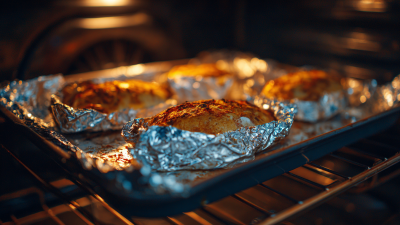
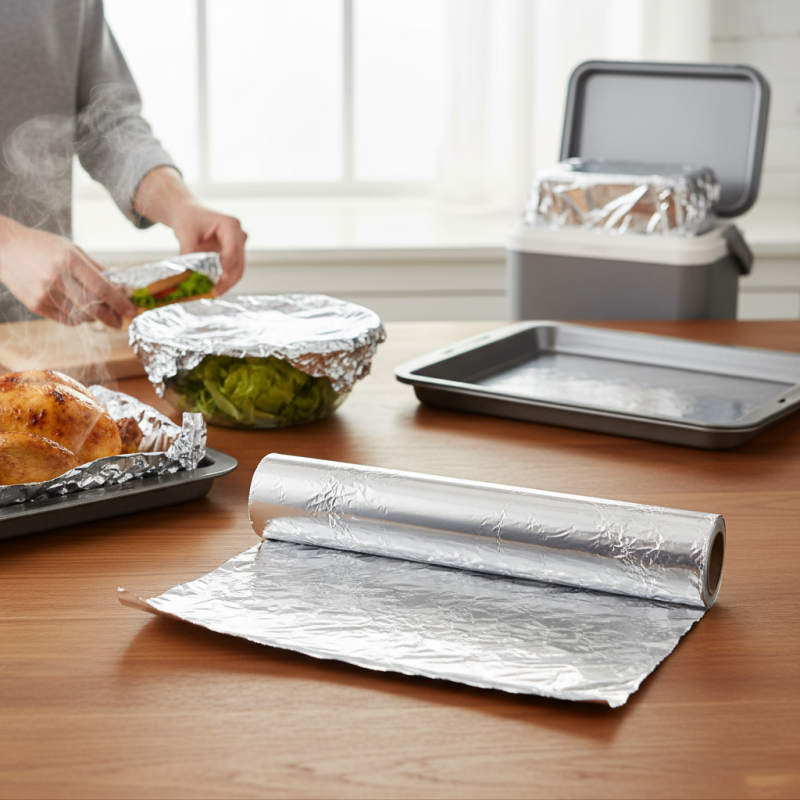
In the cooking arena, aluminum wrap excels at providing even heat distribution. It is frequently used to cover dishes in the oven, allowing for efficient cooking without excessive drying. The wrap can withstand high temperatures, making it ideal for roasting and baking. Data from the American Institute of Food Science indicates that utilizing aluminum foil can increase the success rate of recipes by maintaining moisture and enhancing flavor retention during cooking processes. This capability is particularly valuable in home kitchens and professional settings alike, where food quality is paramount.
Creative Applications of Aluminum Wrap Beyond the Kitchen
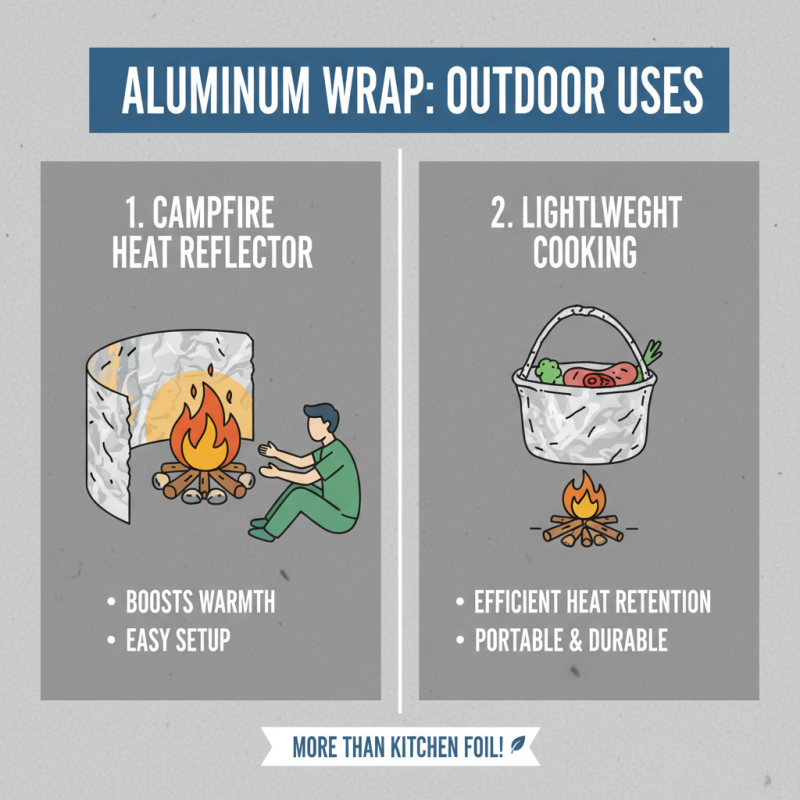
Aluminum wrap, often associated with food storage, has a variety of creative applications that extend well beyond the kitchen. For instance, its reflective properties make it an excellent tool for outdoor activities. Campers can use aluminum wrap to create a makeshift heat reflector for campfires, allowing for enhanced warmth during chilly nights. Additionally, outdoor enthusiasts can fashion aluminum wrap into lightweight cooking vessels that efficiently retain heat, crucial for preparing meals in remote areas.
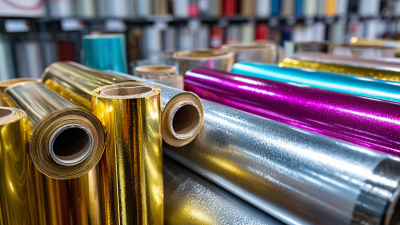
In the realm of arts and crafts, aluminum wrap can add a unique touch to various projects. Artists often use it to create metallic finishes on sculptures or to form intricate details in mixed media artworks. Its malleability allows for easy shaping and manipulation, making it ideal for adding texture and reflecting light in innovative ways. Furthermore, aluminum wrap can be employed in DIY home decor projects, such as making custom candle holders or reflective photo frames that catch the eye and elevate the aesthetic of any space.
Tips for Using Aluminum Wrap Effectively and Safely
Aluminum wrap is a versatile kitchen staple that can be used for both food storage and cooking purposes. To use it effectively, it's important to ensure that the shiny side is facing inward when wrapping food. This maximizes heat retention and helps keep dishes warm. When wrapping food for storage, ensure it is tightly sealed to prevent air exposure, which can lead to spoilage and drying out. For grilling or baking, aluminum wrap can be used to create a barrier that locks in moisture and flavor; just remember to poke a few holes to let steam escape.
Safety is paramount when using aluminum wrap. Avoid using it in direct contact with acidic foods, such as tomatoes or citrus fruits, as this can cause a chemical reaction that affects both the food and the wrap's integrity. When cooking at high temperatures, it’s also advisable to keep the wrap away from direct flames to prevent combustion. Additionally, be cautious when unwrapping foods straight from the oven, as the steam trapped inside can cause burns. By following these tips, you can make the most of aluminum wrap while keeping your cooking experience safe and efficient.