Top Aluminum Wrap Trends for 2026 What Buyers Need to Know
As we look ahead to 2026, aluminum wrap continues to gain traction in various industries. This versatile material is known for its lightweight and durable qualities. Buyers are increasingly drawn to aluminum wrap for both practical and aesthetic purposes.
In recent years, aluminum wrap has evolved, reflecting modern design preferences. It's being used in innovative ways, from packaging to interior design. Many artists and architects are exploring aluminum wrap's potential to create unique textures and finishes. However, navigating the trends can be challenging.
It's essential for buyers to stay informed about the latest developments. Understanding material options, applications, and market demands is key. Balancing cost with functionality remains a crucial consideration. As we examine these trends, it’s clear that aluminum wrap will continue to play a significant role in 2026 and beyond.
Emerging Materials and Technologies in Aluminum Wrap for 2026
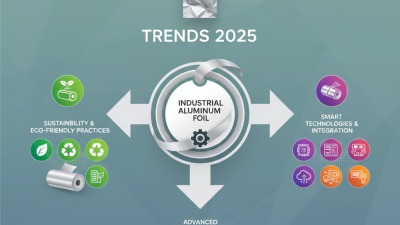
As the aluminum wrap industry evolves, emerging materials and technologies are reshaping the landscape for 2026. According to a recent market analysis, the demand for lightweight, high-strength aluminum wraps is expected to increase by 25% in the coming years. Innovations like multilayered aluminum composites offer superior flexibility and durability. These advanced materials provide essential benefits for various applications, including packaging and automotive uses.
Sustainability is becoming a crucial trend in materials selection. More manufacturers are exploring recyclable aluminum options. A study indicates that up to 80% of consumers prioritize sustainable packaging. This shift not only caters to consumer preferences but also complies with global environmental standards. However, some manufacturers struggle with production costs and material sourcing. Market reports indicate that an integrated approach is necessary for scaling these sustainable innovations.
Technology plays a role in enhancing performance. Automated manufacturing processes allow for precision in creating aluminum wraps with improved barrier properties. New coating technologies are emerging to enhance the resistance to corrosion and fatigue. Still, adaptation to these technologies can be slow. Many companies face challenges in training and infrastructure investment. The aluminum wrap industry stands at a crossroads, balancing innovation and market demands.
Sustainability Trends Impacting Aluminum Wrap Production and Usage
In recent years, sustainability has become a major consideration in the production of aluminum wrap. Manufacturers are increasingly adopting eco-friendly practices. This shift focuses on reducing waste and improving energy efficiency during production. Companies are exploring ways to utilize recycled materials to create high-quality aluminum products. By using recycled aluminum, they can significantly lower their carbon footprint.
Moreover, consumers are now more conscious of their choices. Many seek products that align with their environmental values. Biodegradable packaging options are gaining traction, though aluminum remains a strong contender for its recyclability. Yet, not all aluminum wraps are created equal; some may contain additives that complicate recycling efforts.
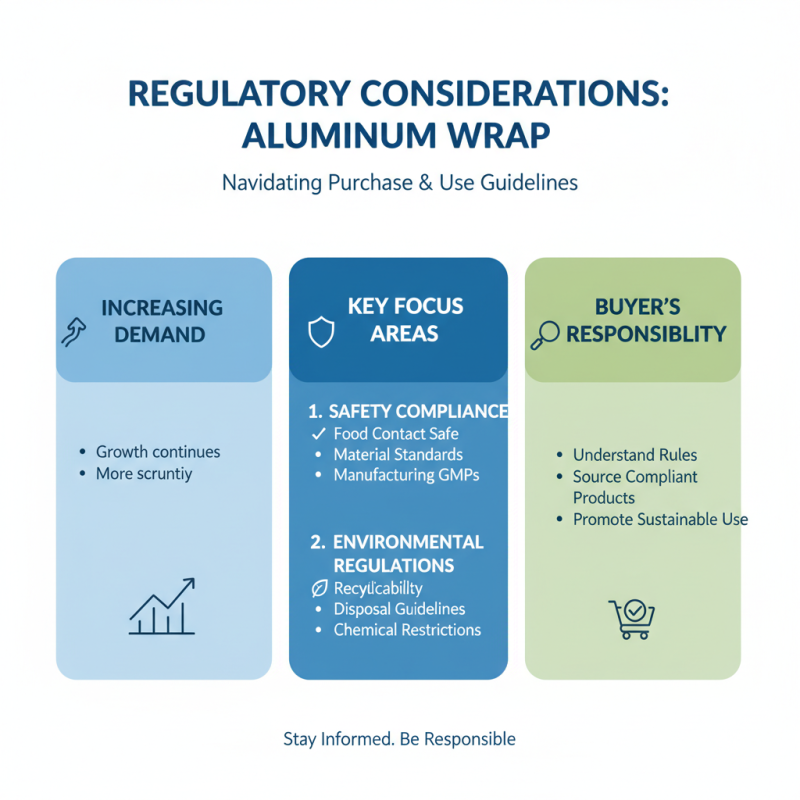
There are still challenges in the industry. Not every manufacturer implements sustainable practices. Buyers must educate themselves about sourcing. They should look for certifications that indicate responsible production. Awareness will empower consumers to make informed decisions in 2026 and beyond. Every decision counts in the quest for a sustainable future.
Design Innovations in Aluminum Wrap for Enhanced User Experience
In 2026, aluminum wrap designs will evolve significantly. Innovations will enhance user experience through practicality and aesthetic appeal. One trend is the integration of textures and patterns, adding a tactile element to aluminum wraps. These designs not only look good but also enhance grip. Users appreciate when products feel good in their hands.
Another noteworthy advancement is the eco-friendly coating options. These coatings reduce waste and lower environmental impact. They ensure that aluminum wraps are not just functional but also sustainable. Consumers might feel overwhelmed by so many choices. It's essential to weigh the benefits of design against practicality. Manufacturers should strive for balance, maximizing effectiveness while being mindful of environmental footprints.
Smart features are gaining traction too. Imagine aluminum wraps embedded with sensors for better food preservation. Such innovations could significantly alter cooking experiences. Yet, the practicality of these smart wraps needs scrutiny. Will users accept the added complexity? Addressing these challenges is key for success. Adjusting to user feedback can lead to greater innovation.
Top Aluminum Wrap Trends for 2026
The following chart illustrates the major design innovations in aluminum wrap that enhance user experience. The data shows the percentage of buyers interested in various features for the year 2026:
Market Insights: Buyer Preferences and Consumer Trends for 2026
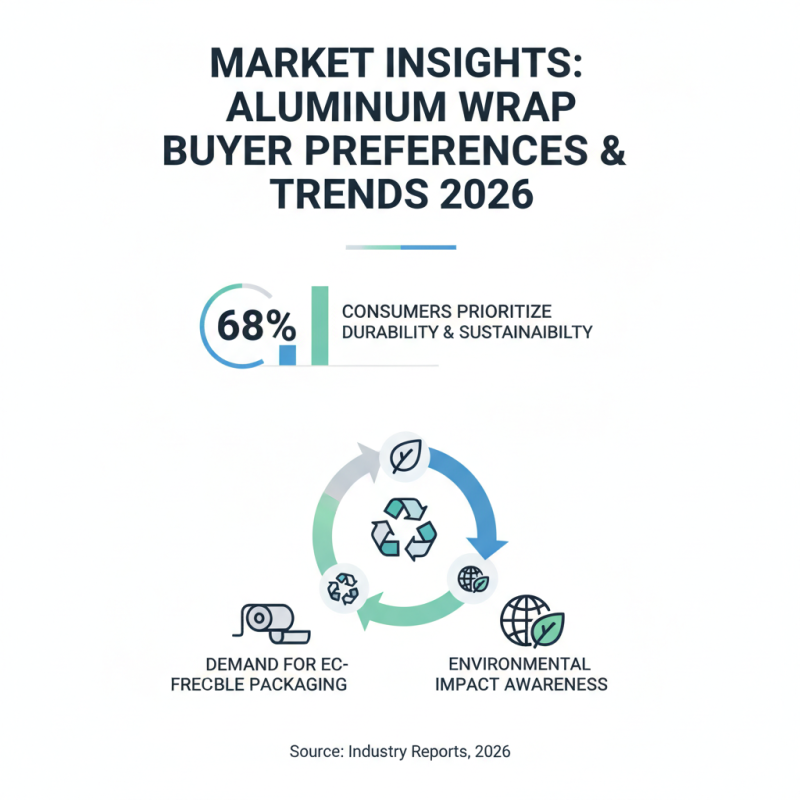
Buyer preferences and consumer trends are evolving rapidly in the aluminum wrap market. Recent industry reports reveal that 68% of consumers prioritize durability and sustainability in their purchasing decisions. This indicates a strong demand for aluminum wraps that not only perform well but are also environmentally friendly. Many buyers are actively seeking products with recyclable packaging, reflecting a growing awareness of environmental impact.
Data from market research shows a shift towards lightweight aluminum wraps, as 53% of consumers favor products that are easier to handle and store. This preference suggests an opportunity for manufacturers to innovate with lighter materials while maintaining functionality. Additionally, buyers are increasingly influenced by packaging aesthetics, with 45% of consumers stating that design elements play a significant role in their choice of product. Brands must adapt to these changing tastes to remain competitive.
Despite these trends, some challenges remain. Consumers express frustration with limited options in terms of sizes and features, indicating a gap in the market. Addressing these concerns could help brands capture a larger share of the consumer base. Keeping a pulse on these preferences will be crucial for stakeholders aiming to thrive in the dynamic aluminum wrap landscape of 2026.