What are the Benefits of Using Aluminum Wrap for Packaging?
The benefits of using aluminum wrap for packaging are gaining attention in various industries. According to a recent report by Smith Packaging Solutions, aluminum wrap significantly reduces food spoilage by up to 30%. This statistic highlights the material’s effective barrier properties against moisture and light.
Expert Robert Channing, a leading authority in packaging technology, states, "Aluminum wrap not only protects food but also enhances shelf life." This insight underscores the importance of aluminum wrap in food preservation. Many companies are turning to it for both environmental and economic reasons.
Despite its advantages, there are challenges. The recycling process for aluminum wrap can be complex, often requiring consumers to be more informed. Some users may still overlook these details. However, the potential benefits, like reducing waste and improving product longevity, make it a crucial player in modern packaging strategies.
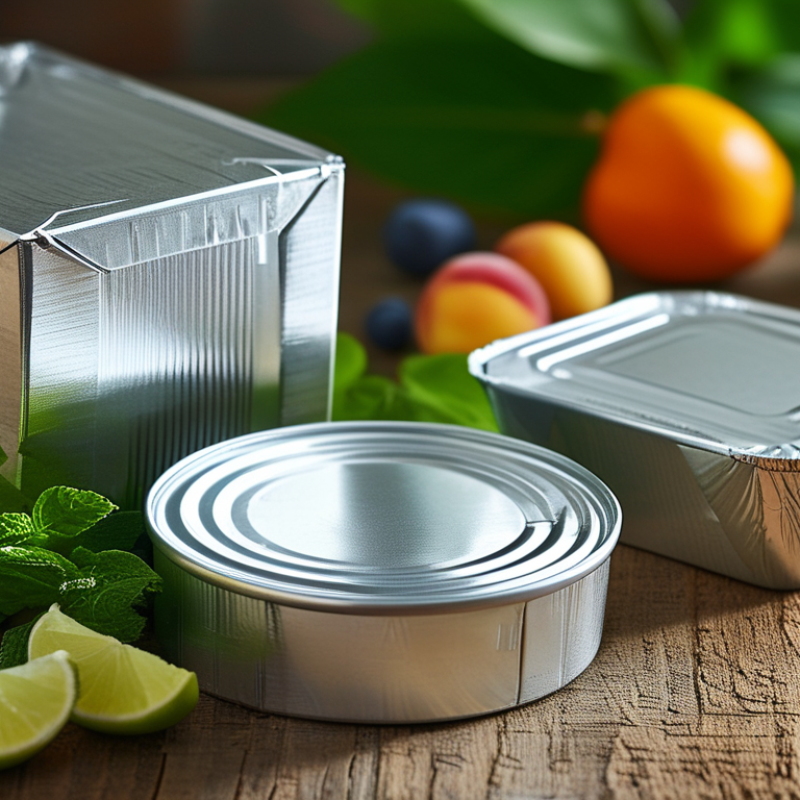
Advantages of Aluminum Wrap in Food Preservation
Aluminum wrap has gained significant traction in the food industry. Its effectiveness in preserving food is well-documented. According to a study by the Food and Drug Administration (FDA), aluminum foil can extend the shelf life of food products by blocking out light and air, which are key factors in food spoilage. This wrap creates a barrier that prevents moisture loss, keeping food fresher for longer periods.
The insulation properties of aluminum are particularly favorable. Research shows that food wrapped in aluminum can maintain its temperature better than alternatives. For example, a study published in the Journal of Food Science indicates that marinades and seasonings penetrate meat more thoroughly when wrapped in aluminum, enhancing flavor and tenderness. Yet, while aluminum is effective, there are some concerns. Some studies suggest that aluminum particles can leach into food, especially when exposed to high heat or acidic ingredients. This aspect warrants consideration, reminding us that while aluminum is beneficial, it may not be the perfect solution for all food types.
In terms of sustainability, aluminum is recyclable, which is a significant advantage. The Institute of Scrap Recycling Industries notes that over 75% of aluminum ever produced is still in use today. However, the recycling process requires energy, and the life cycle assessment of aluminum wrap versus other materials is complex. We must strive for a balance between convenience and environmental impact. As consumers, we should be aware of these dimensions when choosing packaging options.
Environmental Impact of Aluminum Packaging
Aluminum packaging has made a significant impact on the environment, both positively and negatively. This material is highly recyclable. In fact, about 75% of aluminum ever produced is still in use today. Recycling aluminum saves energy and reduces greenhouse gas emissions. The process requires less energy than producing new aluminum. However, the environmental cost of mining bauxite, the raw material for aluminum, cannot be overlooked. It involves deforestation and habitat destruction.
The lightweight nature of aluminum also plays a crucial role in reducing transportation emissions. Packaging that weighs less contributes to lower fuel consumption during transport. However, not all aluminum packaging is recycled. Many consumers are unaware of the recycling process. This disconnect leads to higher levels of waste. Addressing this issue requires better education and infrastructure for recycling.
Implementing sustainable practices in aluminum production is essential. Companies should focus on reducing their carbon footprint. This can be done through cleaner extraction methods and using renewable energy sources. The balance between utilizing aluminum's benefits and addressing its ecological impact is a complex challenge.
What are the Benefits of Using Aluminum Wrap for Packaging? - Environmental Impact of Aluminum Packaging
| Benefit |
Description |
Environmental Impact |
Recyclability |
| Lightweight |
Aluminum is significantly lighter than glass and other materials, reducing transportation costs and emissions. |
Lower carbon footprint during transport. |
100% recyclable without loss of quality. |
| Barrier Protection |
Aluminum provides a superior barrier to light, moisture, and oxygen, preserving food quality. |
Reduces food waste due to spoilage. |
Can be recycled repeatedly, conserving resources. |
| Versatile |
Aluminum wraps can be used for a variety of products, from food to pharmaceuticals. |
Minimal need for additional packaging materials. |
Widely accepted in recycling programs globally. |
| Temperature Control |
Aluminum wraps help maintain product temperature during storage and transport. |
Improves energy efficiency in transportation. |
Supports circular economy through recycling initiatives. |
Cost-Effectiveness of Aluminum Wrap for Businesses
Aluminum wrap is becoming a go-to choice for businesses seeking cost-effective packaging solutions.
According to a report by the Aluminum Association, aluminum packaging is 100% recyclable, which
reduces costs over time. Companies can save significantly on waste management
and disposal fees, as aluminum can be recycled without losing quality. This sustainability aspect resonates with consumers,
enhancing brand reputation while also keeping expenses low.
Moreover, aluminum wrap offers excellent barrier properties. It protects products from moisture, light,
and air, extending shelf life. Research indicates that extending shelf life by just a few days can lead to a 20% increase in sales
for perishable items. Additionally, the lightweight nature of aluminum reduces shipping costs. Businesses save money
not only on packaging materials but also in transportation.
However, it is worth examining the initial investment required for aluminum wrap. While prices may fluctuate, some businesses may find the
upfront costs daunting. Careful budgeting and analysis are crucial. Evaluating long-term benefits is essential to understand the potential
return on investment. Balancing initial expenses with future savings can lead to a more informed decision for business owners.
Comparison of Aluminum Wrap with Other Packaging Materials
Aluminum wrap is increasingly favored in the packaging industry. Its ability to provide an airtight seal enhances food preservation significantly. Studies show that it can extend the shelf life of products by up to 50%. This durability makes aluminum wrap a popular choice for both consumers and businesses.
When compared to plastic wraps, aluminum exhibits superior barrier properties against moisture and oxygen. Unlike plastic, which can leach harmful chemicals, aluminum is inert. This quality ensures that food remains uncontaminated. The Recycling Coalition reports that aluminum can be recycled indefinitely without losing quality, which adds to its appeal. In contrast, only 9% of plastic is recycled globally, highlighting a critical environmental issue.
However, the production of aluminum does pose challenges. It requires significant energy and natural resources. Manufacturers are constantly seeking more sustainable practices. Some question the trade-off between sustainability and the convenience of aluminum. Balancing these concerns is vital for future packaging innovations.
Benefits of Using Aluminum Wrap for Packaging Compared to Other Materials
Versatility of Aluminum Wrap in Various Industries
Aluminum wrap is gaining traction across various industries due to its impressive versatility. In food packaging, for instance, it can securely seal perishable goods, extending their shelf life. A report from the Flexible Packaging Association indicates that aluminum foil can improve preservation by 20% compared to traditional materials. This makes it suitable for both retail and food service sectors.
In the pharmaceutical industry, aluminum wrap is commonly used to package sensitive medications. It protects against moisture and light, which can degrade drug efficacy. According to a study by the Pharmaceutical Packaging Association, nearly 40% of medications lose potency when exposed to environmental factors over time. Using aluminum ensures that products remain effective and safe for consumers.
Even in the electronics sector, aluminum wrap offers substantial benefits. It serves as an effective barrier against electromagnetic interference, which is crucial for sensitive components. While aluminum is not completely recyclable, the process is more energy-efficient than producing new plastic wrap. This highlights a balance between functionality and environmental impact, prompting industries to rethink material choices.