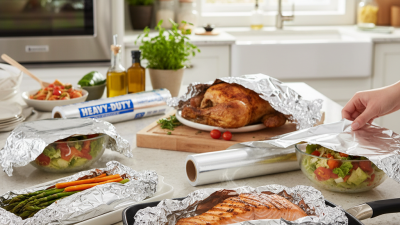
What Are the Benefits of Using Alu Foil in Packaging?
In the world of packaging, alu foil has become a popular choice for many industries. John Smith, a leading expert in packaging materials, once stated, "Alu foil provides a unique blend of protection and versatility." This material excels in safeguarding products from moisture, light, and air, ensuring longer shelf life. Its lightweight nature also contributes to reduced shipping costs.
Alu foil is not just about practicality; it also plays a crucial role in sustainability. Many companies are now adopting eco-friendly approaches in packaging, using recyclable alu foil to minimize waste. However, there are challenges involved. Some consumers are still uncertain about the recyclability of alu foil, which requires further education on disposal practices.
The benefits of using alu foil in packaging are clear, yet the industry faces a learning curve. As we explore this topic deeper, it becomes essential to address these misunderstandings. Alu foil can revolutionize packaging, but clarity and reliable information are key to unlocking its full potential.
Benefits of Alu Foil in Food Preservation and Shelf Life Extension
Alu foil plays a significant role in food preservation. Its reflective properties enhance shelf life by blocking light that can degrade food quality. According to a report by the Food and Agriculture Organization (FAO), proper packaging can extend the life of food products by up to 50%. Alu foil can create a barrier against moisture and oxygen, which are major culprits in food spoilage.
Using alu foil for packaging maintains nutrition. It prevents nutrient loss due to oxidation. Studies show that vegetables wrapped in alu foil retain their vitamins longer than those exposed to air. This benefit is crucial in reducing food waste. The average consumer throws away nearly 20% of food due to spoilage. Alu foil can help mitigate this loss.
Tip: Wrap leftover food tightly in alu foil to keep it fresher for longer. This simple action can lead to significant savings in your grocery bill. It's important to avoid using aluminum foil for acidic foods, as it can react negatively and affect taste. Also, always consider sustainable options for disposal or recycling.
Alu Foil's Role in Protecting Against Moisture and Oxygen
Aluminum foil plays a crucial role in packaging by protecting products from moisture and oxygen. Its impervious nature creates a barrier that keeps food fresh. According to a report from the Flexible Packaging Association, aluminum foil can reduce oxygen transmission rates by over 90%. This significant decrease helps maintain the quality and shelf life of packaged goods.
Moisture is another concern in food packaging. Exposure to humidity can lead to spoilage and loss of flavor. Aluminum foil effectively blocks moisture penetration. Studies show that products wrapped in aluminum foil experience less than 2% moisture gain, compared to those in traditional films that can exceed 10%. However, it’s vital to ensure proper sealing. Even minor pinholes can compromise this protection.
A challenge arises when considering sustainability. While aluminum foil is recyclable, the energy used in production is substantial. Scrap rates in recycling can reach up to 50%. This highlights a need for improving recycling processes. The packaging industry must balance the benefits of aluminum foil with its environmental impact. Companies are exploring alternatives that offer similar protective qualities.
Benefits of Using Alu Foil in Packaging
Environmental Impact of Alu Foil Compared to Other Packaging Materials
The environmental impact of aluminum foil is a critical topic in packaging. Aluminum foil is widely used for its lightweight and durable properties. However, its production process involves significant energy consumption. In fact, it requires around 8% of the world's energy used for all metal production. This raises concerns about carbon emissions.
When comparing aluminum foil to plastic packaging, aluminum often proves to be more sustainable. It is recyclable, reducing the amount of waste in landfills. Many recycling programs accept aluminum foil. Yet, the recycling rates for aluminum can vary by region. Some areas lack proper facilities. This inconsistency poses a challenge for effective recycling.
Moreover, while aluminum foil protects food from light and oxygen, there are ethical considerations to ponder. The extraction of bauxite, the raw material for aluminum, can lead to severe environmental degradation. This raises questions about long-term sustainability. Balancing convenience and ecological responsibility remains an ongoing dialogue in the industry. Understanding these nuances can drive better decisions in packaging choices.
Cost-Effectiveness of Alu Foil in Packaging Solutions
Alu foil is gaining attention for its cost-effectiveness in packaging solutions. It provides a protective barrier that prolongs shelf life. This attribute reduces food waste, saving money for consumers and manufacturers. The lightweight nature of alu foil also minimizes shipping costs. Companies enjoy lower expenses while maintaining quality.
On the other hand, using alu foil isn't without challenges. The production process can be energy-intensive. Some may argue that the environmental impact is high. Additionally, proper disposal is crucial, as recycling rates vary. It’s essential for businesses to consider their sustainability practices while benefiting from alu foil.
Despite these concerns, the advantages remain compelling. Alu foil is versatile, suitable for various products. From food items to pharmaceuticals, its applications are vast. This adaptability contributes to its popularity in the packaging industry. Balancing cost savings with environmental responsibility is an ongoing journey for many businesses.
Versatility of Alu Foil in Various Packaging Applications
Aluminum foil offers remarkable versatility in packaging applications. It is non-toxic and highly resistant to moisture, light, and oxygen. This makes it ideal for food, pharmaceuticals, and electronics. The lightweight nature of aluminum foil also adds to its appeal. It can conform to various shapes, providing reliable sealing for both rigid and flexible packages.
Tips: Consider using aluminum foil for reusable packaging solutions. It can easily be molded and adapted for different uses. This not only protects the items but also reduces waste.
The reflective surface of aluminum foil is perfect for preserving freshness. It keeps food items warm while reflecting heat. Its ability to create a barrier against external elements is crucial for maintaining quality. However, using aluminum foil may not always be eco-friendly. Evaluating the environmental impact is essential.
Tips: Explore alternative methods that might reduce foil waste. Reusing aluminum foil can extend its lifecycle. Always weigh the pros and cons of foil applications in your packaging choices.