What are the Benefits of Using Aluminium Foil Containers?
Aluminium foil containers have become popular in kitchens and food services alike. Their lightweight nature and durability make them an excellent choice for packaging. These containers cater to a range of food items, from baked goods to takeout meals. With the rise of convenience-oriented lifestyles, the use of aluminium foil containers is a practical solution.
One notable benefit is their ability to withstand high temperatures. Whether baking or roasting, these containers can handle extreme heat without losing structural integrity. This makes them ideal for oven use. However, there are downsides as well. Improper disposal can harm the environment, an issue consumers must reflect on. Recycling practices are often overlooked, leading to waste.
Moreover, aluminium foil containers create a reliable seal, preserving food freshness. They protect against moisture and contamination, which is beneficial in food storage. Yet, not all containers are created equal. Some may leach chemicals when heated, which raises concerns. Awareness and research can improve the safe use of these products.
Advantages of Aluminium Foil Containers in Food Packaging
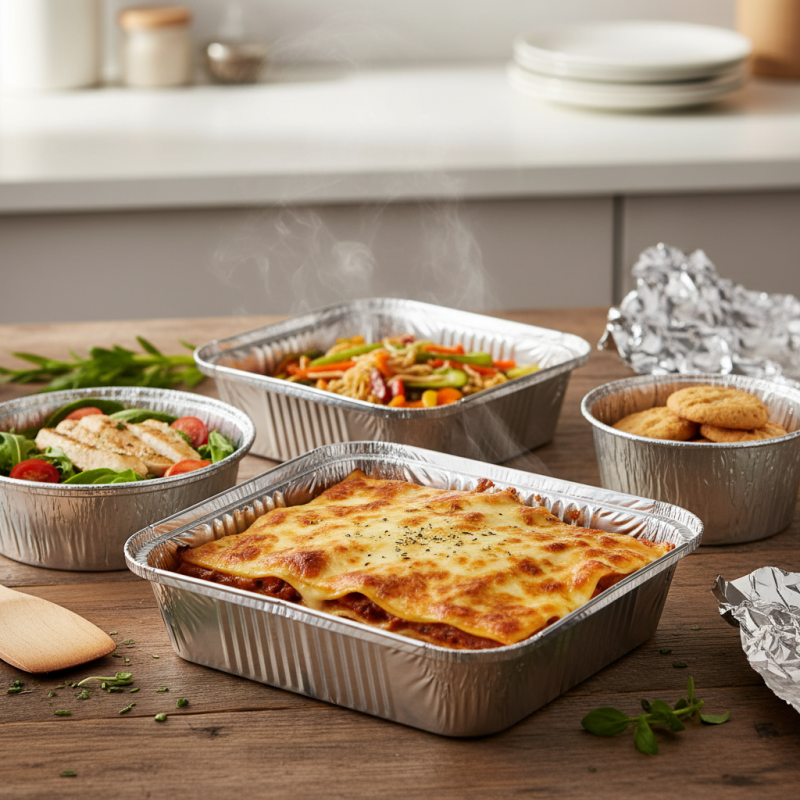
Aluminium foil containers have become popular in food packaging for several reasons. They are lightweight yet sturdy, making them easy to handle and transport. Their reflective properties help maintain food temperature, keeping meals warm for longer periods. This quality is especially beneficial for catering or takeout services, where customers appreciate well-preserved food.
Moreover, aluminium foil containers are recyclable. While not all areas may have recycling facilities, many people are increasingly aware of sustainability. Using recyclable materials aligns with eco-friendly practices, helping reduce waste. However, it’s crucial to ensure these containers are clean before recycling. Improper disposal may lead to increased environmental concerns.
One downside is that they can sometimes leach chemicals into food, especially when exposed to high heat. This factor raises questions about food safety. Additionally, while they are great for short-term storage, long-term food preservation isn't their strength. They may not be suitable for freezing. Balancing convenience and potential drawbacks is essential for anyone considering their use.
Benefits of Using Aluminium Foil Containers
| Benefit |
Description |
| Lightweight |
Easier to handle and transport compared to glass or plastic containers. |
| Recyclable |
Can be recycled multiple times without losing quality, making it an environmentally friendly option. |
| Heat Resistant |
Suitable for both cooking and freezing, allowing for versatility in food storage. |
| Barrier Properties |
Excellent at preventing moisture and light penetration, which helps preserve food freshness. |
| Cost-Effective |
Often more affordable compared to other packaging materials, making it accessible for various businesses. |
| Customizable |
Can be easily shaped and sized to fit specific food products and portions. |
Environmental Benefits of Using Recyclable Aluminium Containers
Aluminium foil containers have gained attention for their environmental benefits. These containers are highly recyclable, which helps reduce landfill waste. According to a report by the Aluminium Association, over 75% of aluminium ever produced is still in use today. This impressive statistic highlights the importance of recycling in extending the lifecycle of aluminium products.
Recycling aluminium requires only 5% of the energy needed to produce new aluminium from raw materials. This dramatic energy saving is vital for reducing carbon emissions. However, not all aluminium containers get recycled. In fact, some are disposed of incorrectly. This is a critical issue to address. It shows that while using recyclable materials is beneficial, proper disposal methods are essential to maximize environmental benefits.
Moreover, aluminium foil containers are lightweight and compact. This feature reduces transportation costs and fuel consumption. However, this energy efficiency may not be fully realized if recycling practices lag behind. More public awareness is necessary. Ultimately, aluminium containers can be a sustainable choice when used and disposed of correctly, but collective action is needed to improve recycling rates.
Benefits of Using Aluminium Foil Containers
This chart illustrates the benefits of using aluminium foil containers, rating various advantages such as recyclability, lightweight nature, cost-effectiveness, durability, and energy savings on a scale from 1 to 10. The high ratings emphasize the overall positive impact of aluminium containers on the environment.
Health and Safety Aspects of Aluminium Foil in Cooking
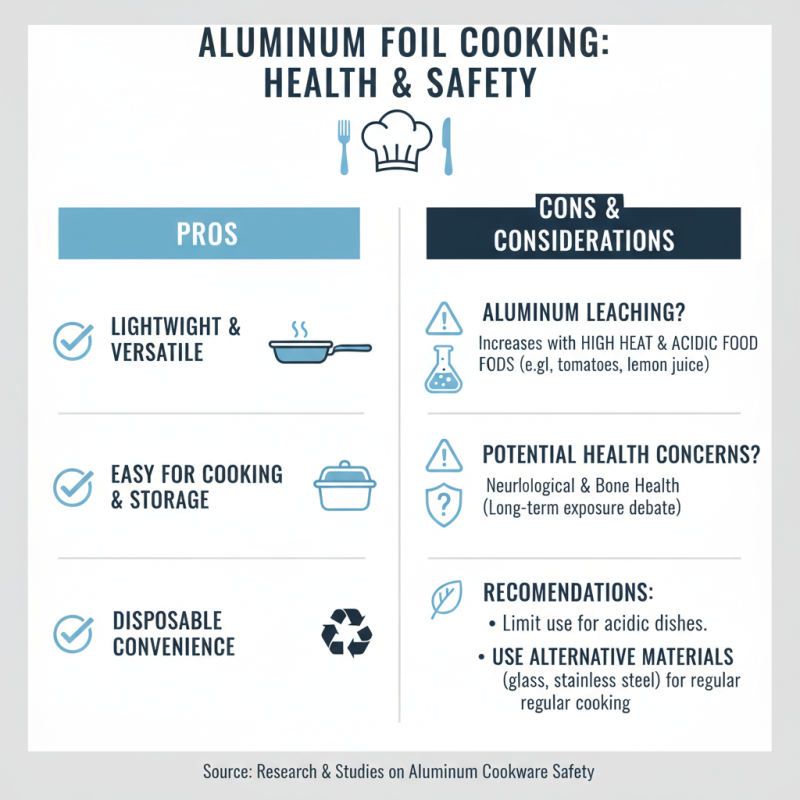
When it comes to cooking, aluminium foil containers present unique health and safety considerations. Many cooks appreciate how these containers are lightweight and versatile for various dishes. However, there is an ongoing debate about the safety of using aluminium in cooking. Some studies suggest that aluminium can leach into food, especially when exposed to high heat or acidic substances. This raises concerns about long-term health effects.
Using aluminium foil containers can be convenient but comes with factors that need caution. Many people may overlook the importance of avoiding direct contact with highly acidic foods. Tomatoes and citrus fruits can react with aluminium, possibly causing contamination. Furthermore, when cooking at high temperatures, the risk of leaching increases.
While the utility of aluminium foil is hard to dismiss, it is essential to think critically about its use. Balancing convenience and safety is crucial in every kitchen. Choosing alternative materials, or ensuring proper food handling, may help mitigate potential risks. Reflecting on these factors can improve health outcomes in meal preparation.
Versatility of Aluminium Containers in Culinary Uses
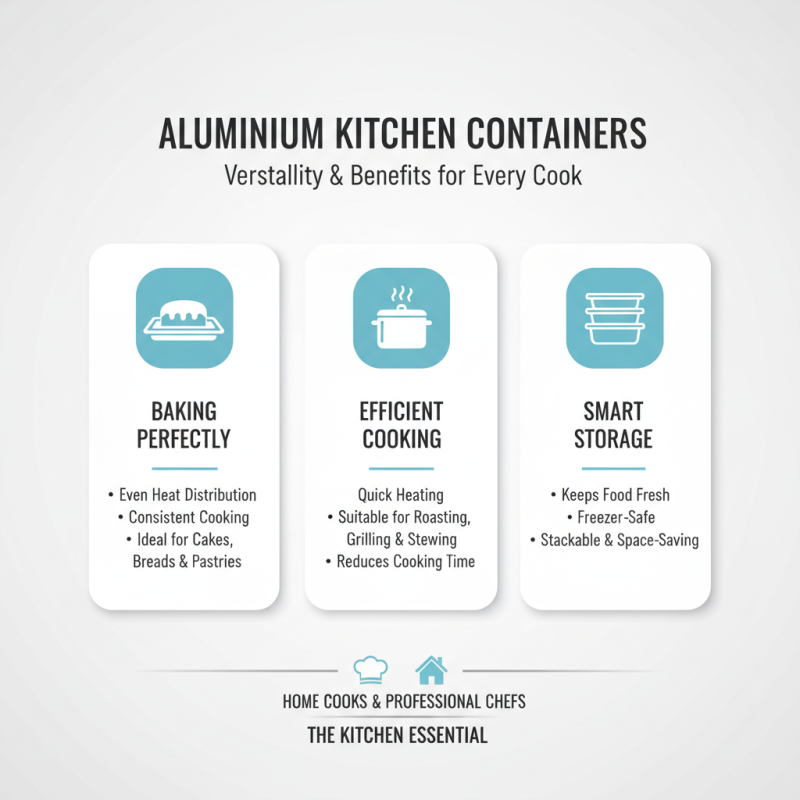
Aluminium containers are quite versatile in the kitchen. They can be used for baking, cooking, and storing food. Perfect for both home cooks and professional chefs, these containers have become popular choices. They conduct heat evenly, making your baked goods rise perfectly.
Tip: Always check the temperature limits when using aluminium containers. Not all can handle high heat. Some may warp or melt if exposed to extreme temperatures.
These containers also simplify meal prep. You can easily portion meals and freeze them for later. That’s a game-changer for busy families. Just remember to allow space for food expansion when freezing.
Tip: Use labels to mark containers with dates. This helps avoid mystery meals in your freezer. It also keeps track of freshness. Consider the environment, too. While aluminium is recyclable, it’s essential to clean it properly before recycling.
Cost-Effectiveness of Aluminium Foil Containers for Businesses
Aluminium foil containers offer significant cost-effectiveness for various businesses. They are lightweight and easy to handle, which reduces shipping costs and makes storage simpler. Businesses can save money on packaging without compromising quality. These containers are also reusable, providing additional savings over time. Many operations can use them multiple times, increasing their value.
Moreover, the production of aluminium containers requires less energy compared to other materials. This energy efficiency can lead to lower production costs. However, it’s crucial to consider the recyclability aspect. While aluminium is highly recyclable, not all businesses manage waste effectively. Some might struggle to set up proper recycling measures and could end up with unnecessary waste.
Using aluminium foil containers can promote sustainability too, if done right. Companies can appeal to environmentally conscious consumers. Yet, there may be initial investment challenges, highlighting the need for careful planning. Balancing cost, quality, and environmental impact is key for long-term success. Businesses should consistently evaluate their practices to ensure they maximize benefits while minimizing drawbacks.