Why Use Foil Paper for Food Storage and Cooking Benefits Explained?
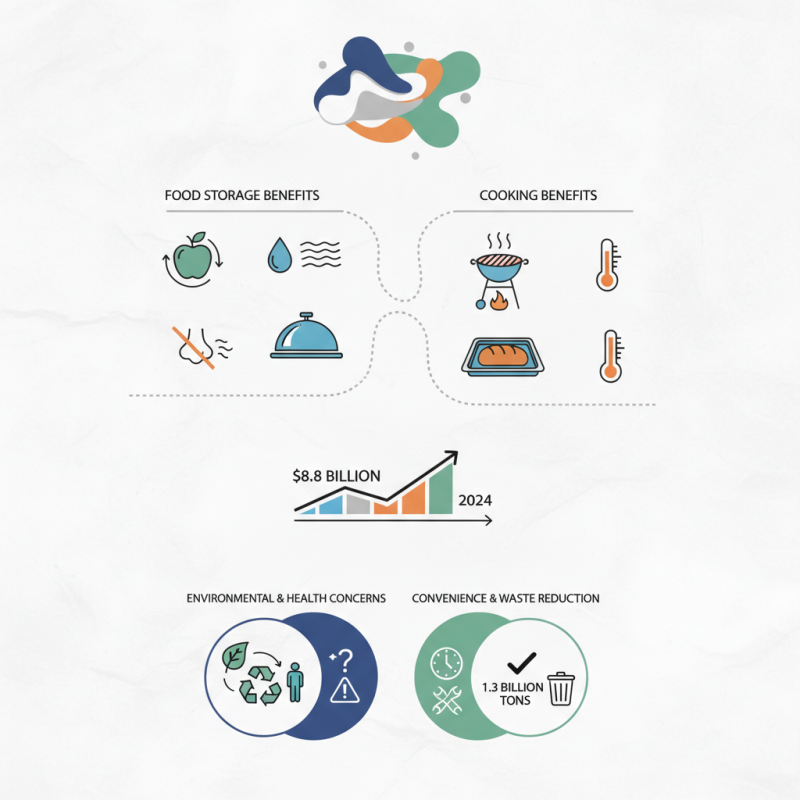
In the culinary world, choosing the right materials can significantly impact food preservation and cooking outcomes. Foil paper for food storage has gained increasing attention. A report from the Packaged Facts estimated that the global food wrap market will reach $8.8 billion by 2024. This growth indicates a rising awareness of food safety and quality.
Foil paper offers numerous benefits, such as enhancing food shelf life and retaining moisture during cooking. Studies show that aluminum foil can prevent food from absorbing unwanted odors, which can be crucial for flavor preservation. Moreover, its heat-resistant properties make it ideal for grilling and baking. However, some environmental concerns persist regarding its recyclability and potential health effects from overuse.
Adopting foil paper for food is not without its controversies. Some people express discomfort about aluminum exposure. Yet, the advantages, like convenience and versatility, often outweigh these worries. In a fast-paced world, using foil paper can help reduce food waste, a critical issue affecting 1.3 billion tons globally each year. As consumers navigate these choices, incorporating foil paper for food can be a practical solution worth considering.
Benefits of Using Foil Paper for Food Storage
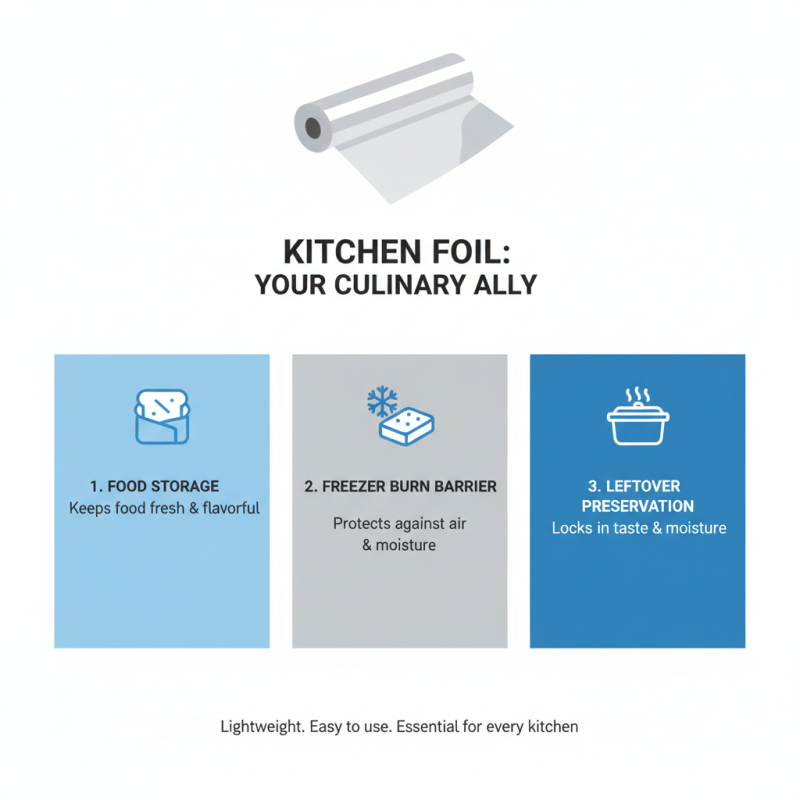
Foil paper is a versatile tool in the kitchen. It’s lightweight and easy to handle. Many home cooks appreciate its ability to wrap food for storage. When wrapped securely, food retains moisture and flavor. It creates a barrier against air and prevents freezer burn. This makes it ideal for leftovers.
Using foil paper for cooking is also beneficial. It can be used to line baking trays, reducing cleanup time. The shimmering surface reflects heat, which helps food cook evenly. You can easily shape it into pouches for steaming vegetables. This method locks in nutrients and enhances flavors. However, it’s essential to avoid using foil with acidic foods, as this may cause undesired reactions.
While foil paper offers many advantages, some may forget to recycle it properly. The shiny side can confuse some. It should not be mixed with regular paper. Food storage is about balance—sustainability matters, too. It's crucial to consider how often we rely on foil. Rethinking its use can lead to more eco-friendly alternatives that are just as effective.
Enhancing Food Freshness with Foil Paper
Foil paper is a versatile tool in food storage and cooking. When it comes to enhancing food freshness, foil paper is often a top choice. According to a study by the Food Packaging Institute, proper food storage can reduce spoilage by up to 50%. Foil paper creates a barrier against moisture and air, which are the main causes of food deterioration. This barrier can extend the shelf life of perishable goods like fruits and vegetables.
Using foil paper also minimizes the transfer of odors between foods. Foods wrapped in foil tend to retain their natural flavors longer. A report from the Journal of Food Science shows that items stored in tightly sealed foil maintain their taste integrity up to 30% better than those in other materials. However, not everyone uses foil paper correctly. Improper sealing can lead to exposure to air, reducing its effectiveness. It's crucial to ensure that the food is tightly wrapped for optimal freshness.
Foil paper is not just beneficial for storage; it’s also useful in cooking. Many chefs advocate using foil in the oven to keep dishes moist. However, some people might overuse it and create waste. Balancing the benefits with environmental considerations is essential. A fresh perspective on foil use can lead to better practices in kitchens everywhere.
Heat-Conductive Properties of Foil Paper in Cooking
Foil paper is an excellent choice for cooking due to its heat-conductive properties. When wrapped around food, it creates a mini-oven effect. This allows heat to circulate evenly, delivering a perfectly cooked meal. Whether grilling vegetables or baking fish, the foil helps retain moisture. This leads to tender, flavorful dishes.
Tips for using foil paper: Always ensure the shiny side is facing the food. This side reflects heat better and cooks more efficiently. Avoid using it in a microwave. Microwave radiation cannot pass through foil well, leading to possible hazards. When using in the oven, consider double layering for enhanced insulation.
Sometimes, foil can stick to food. This can be frustrating. To avoid this, lightly grease the foil before placing the food. If you find sticking happens often, you might wonder about your cooking techniques. Consider experimenting with cooking times and temperatures. Small adjustments can lead to better results. Foil’s versatility is a reminder that simple tools can elevate your cooking experience.
Environmental Considerations of Using Foil Paper
Using foil paper for food storage and cooking has its benefits. However, we must consider its environmental impact. Aluminum foil is highly recyclable, yet the recycling rate remains low. According to a report from the Aluminum Association, only about 25% of aluminum foil is recycled in the U.S. This presents a considerable issue.
Many households still discard foil without recycling it. This behavior contributes to more waste in landfills. Foil production is energy-intensive, requiring significant raw materials. The production process emits greenhouse gases and can lead to habitat destruction. The cycle of consumption and disposal raises questions about sustainability.
Some alternatives exist. Options like beeswax wraps and reusable silicone bags can minimize waste. A 2020 study indicated that switching to these options could reduce plastic and foil disposal by up to 40%. Every small step counts in reducing our ecological footprint. Transitioning to eco-friendly solutions requires effort but is essential for a better environment.
Why Use Foil Paper for Food Storage and Cooking Benefits Explained? - Environmental Considerations of Using Foil Paper
| Benefit Category |
Description |
Environmental Impact |
| Heat Conductivity |
Aluminum foil conducts heat efficiently, allowing food to cook evenly. |
Aluminum production has a high environmental cost, but effective use minimizes waste. |
| Moisture Retention |
Helps retain moisture in food, preventing them from drying out during cooking. |
Recyclable, reducing landfill waste when disposed of properly. |
| Versatility |
Can be used for baking, grilling, and food storage applications. |
Multiple uses can reduce the need for other single-use products. |
| Easy Cleanup |
Keeps cookware clean and reduces post-cooking cleanup time. |
Less water and resources needed for cleaning, saving energy. |
| Durability |
Resistant to tearing and puncturing, making it ideal for various cooking methods. |
Durability contributes to less waste when used correctly. |
Versatile Applications of Foil Paper in the Kitchen
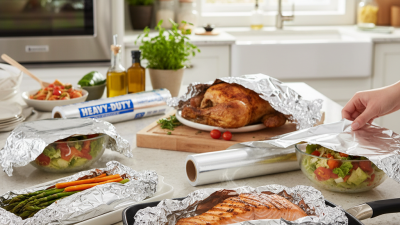
Foil paper is a practical tool in the kitchen. It serves many purposes that simplify cooking and food storage. From roasting vegetables to baking meats, foil paper enhances flavor while keeping foods moist. You can wrap fish and herbs in foil for healthy grilling. It's an easy way to create a flavor-packed meal without much cleanup.
When storing food, foil paper shines as well. It seals in freshness and prevents freezer burn. Wrapping leftovers tightly can extend their shelf life. You might find it surprising that foil can also aid in reheating. Just cover your dishes with foil to keep moisture in. But I’ve sometimes used it and found uneven heating. It's important to check your food regularly to avoid surprises.
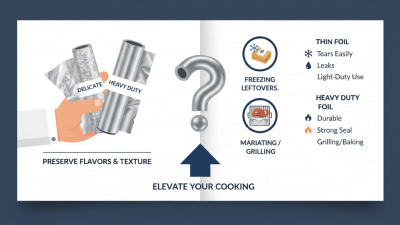
Foil paper is also versatile for crafting. Kids love making art projects with shiny foil. Yet, not every foil is the same. Thicker foil works best for high-heat cooking, while thinner sheets can tear easily. I often reflect on my mistakes, realizing I could’ve chosen better foil for various tasks. Balancing convenience with quality is a learning journey in the kitchen.