Best Aluminium Foil Paper for Food Packaging Options?
When choosing the best aluminium foil paper for food packaging, it’s important to consider quality and usability. Expert Emma Lane, a food packaging specialist, emphasizes the significance of this material: "Aluminium foil paper is essential for keeping food fresh and safe." With various options available, selecting the right type can be challenging yet rewarding.
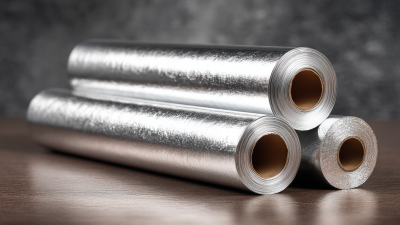
Aluminium foil paper for food packaging has unique properties. Its ability to reflect heat aids in maintaining temperature. Additionally, it provides a barrier against moisture and light, which protects the food's flavor and nutrients. Despite its advantages, not all brands meet industry standards.
Finding reliable aluminium foil paper for food packaging requires careful consideration. It's essential to assess thickness, durability, and safety certifications. Some products may not perform as advertised. Choosing wisely ensures that food remains safe for consumption while retaining its quality.
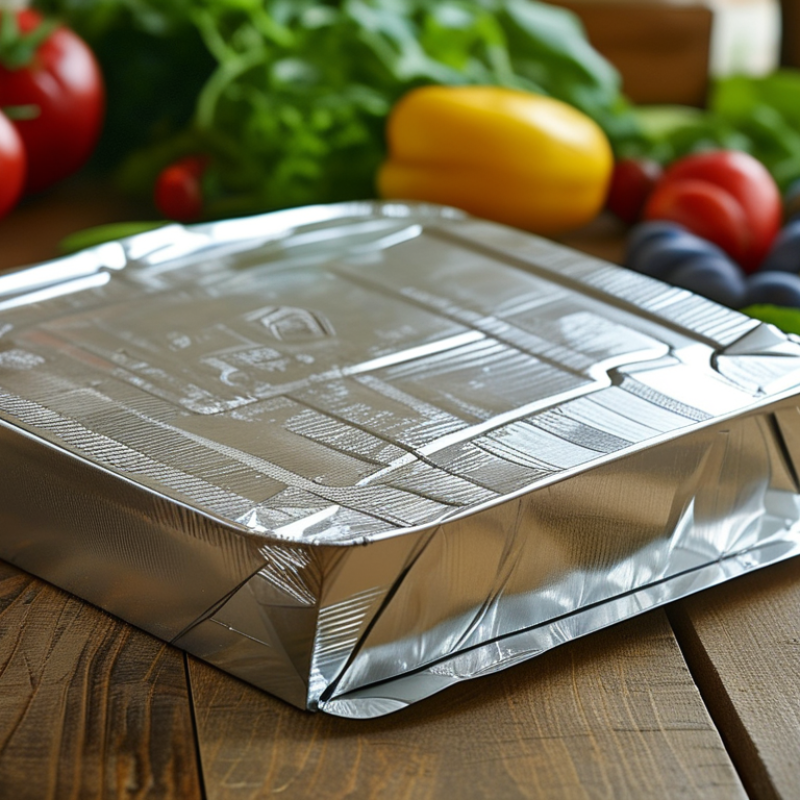
Types of Aluminium Foil Paper for Food Packaging
When it comes to food packaging, aluminium foil paper plays a vital role. Various types serve different purposes. For instance, heavy-duty aluminium foil is ideal for wrapping meats and baking. Its thickness ensures durability, preventing leaks and preserving flavor. Many cooks prefer this option for grilling and slow cooking.
Another type is non-stick aluminium foil. It is coated to prevent food from sticking. This is particularly useful for baking items like cookies or casseroles. It allows for easy removal without damaging the food's presentation. While it is convenient, not all foods respond well to this coating. Some may still stick, leading to frustration.
Recyclable aluminium foil is gaining popularity for eco-conscious consumers. This option combines functionality with sustainability. It can be reused and recycled after use. However, people should check their local recycling guidelines to ensure proper disposal. While it may seem easy to use, user awareness regarding recycling processes is often overlooked.
Key Features to Consider for Food Safety and Freshness
When selecting aluminium foil for food packaging, safety and freshness are paramount. The right foil ensures that food remains uncontaminated and retains its quality. Look for food-grade aluminium that meets safety standards to prevent harmful substances leaching into your meals.
Consider the thickness of the foil. Thicker options generally provide better protection against environmental factors. They are less likely to puncture or tear, ensuring your food stays sealed. Additionally, choose a foil that reflects heat well, which can help maintain the temperature of your food longer.
To maximize food preservation, wrap food tightly. Air exposure can lead to spoilage, so eliminate as much air as possible when storing items. Using double layers can also enhance durability. If you're unsure about the ideal method, experimenting with different wrapping techniques might yield better results. Aim for a snug fit, but avoid pressing down too hard.
Comparative Analysis of Popular Brands on the Market
When it comes to food packaging, aluminium foil paper is a popular choice. Its versatility is unmatched. Many brands offer various types, but not all are equal. It's essential to evaluate them based on several factors. For instance, durability is crucial. Some foils rip easily, compromising food safety. Others can withstand high temperatures, making them suitable for baking.
Another important aspect is the thickness of the foil. Thicker paper tends to provide better insulation and protection. However, it may lack flexibility, which can be a drawback for some users. On the other hand, thinner foils are more manageable but might fail during heavy usage. Users often have mixed experiences here. Some appreciate the lightweight option for everyday use, while others criticize it for not meeting their needs during special occasions.
Lastly, consider the environmental impact. Many brands are increasingly prioritizing sustainable materials in their manufacturing processes. However, a few still fall short, leaving consumers frustrated. Awareness about these differences can guide users in making informed decisions. When selecting aluminium foil paper, weigh the pros and cons carefully. Both performance and eco-friendliness matter in the long run.
Best Aluminium Foil Paper for Food Packaging Options
| Type |
Thickness (Microns) |
Length (Meters) |
Recyclable |
Price (USD) |
| Heavy Duty |
30 |
30 |
Yes |
10.99 |
| Standard |
20 |
50 |
Yes |
5.99 |
| Heavy Duty Non-Stick |
25 |
45 |
Yes |
12.49 |
| Standard Non-Stick |
18 |
100 |
Yes |
7.99 |
| Bio-degradable |
22 |
30 |
Yes |
11.99 |
Sustainable Alternatives to Traditional Aluminium Foil
As consumers seek more sustainable options for food packaging, the demand for alternatives to traditional aluminium foil is on the rise. Reports indicate that aluminium foil contributes significantly to environmental waste. In 2021, approximately 180,000 tons of aluminium foil waste were generated globally. This has prompted a shift towards eco-friendly alternatives that minimize the ecological footprint.
Biodegradable wraps made from organic materials, such as beeswax or plant-based polymers, are gaining popularity. These options not only protect food but can also be composted. Studies show these wraps can reduce plastic waste by up to 30%, providing a tangible benefit for environmentally conscious consumers. Additionally, reusable silicone covers offer a practical solution for food storage, greatly extending the life of food and reducing dependency on single-use items.
While these alternatives present viable solutions, they also come with challenges. The effectiveness of biodegradable wraps in preserving freshness can vary. Some users report that these materials do not perform as well as their aluminium counterparts. Such shortcomings highlight the need for ongoing innovation in sustainable packaging. Ultimately, a thoughtful approach is required to balance functionality and ecological responsibility.
Best Practices for Storing and Using Aluminium Foil Paper
Using aluminium foil paper for food packaging can be incredibly effective when you follow best practices. Proper storage is essential to maintain its quality. Keep your foil in a cool, dry place to prevent it from becoming brittle or losing its shine. Exposure to moisture can weaken the material, making it less effective for wrapping and sealing food.
When using aluminium foil, keep in mind that the dull side is better for wrapping food. It retains heat more effectively, which can help with cooking and preserving warmth in dishes. Avoid using the foil in contact with acidic foods like tomatoes or citrus, as this can lead to reactions that may affect flavor and safety.
Some tips for better usage include cutting the foil to the size needed for your food package. Overlapping it unnecessarily can make it harder to seal properly. Additionally, avoid using foil in microwave ovens unless it is specifically designed for that purpose. Reflect on your usage patterns; it could save waste and improve efficiency. Finding balance in your cooking and food storage practices leads to a greater appreciation for effective packaging methods.