
Choosing a Ceramic Knif Gate Valve is not just a matter of comparing catalog prices. Buyers must match the valve to the process: abrasive slurry, particle size, operating pressure, temperature, and required shutoff performance. A valve that handles fine mineral residue may struggle with coarse, fast-moving solids. Small details matter. Inspect the ceramic grade, gate design, actuator options, flange dimensions, and documented test data before requesting a quotation.
As a fictional composite specialist, valve engineer Daniel Mercer puts the selection principle this way: “Ceramic protects the wear zone, but the right valve still depends on the actual media and operating conditions.” This is an editorial quotation, not a verified statement from a real industry expert; replace it with a sourced quotation before publication. That distinction matters. A credible shortlist should rest on checkable specifications, application experience, and clear manufacturer support—not impressive claims alone.
This guide reviews seven options for global buyers, focusing on construction, suitability, and practical purchasing considerations. Compare each candidate against your process data and installation constraints. Ask suppliers how they verify ceramic components and what service information they provide. Rankings can help narrow the field, but they cannot replace engineering review. And sometimes the available product data is incomplete. That deserves a second look.
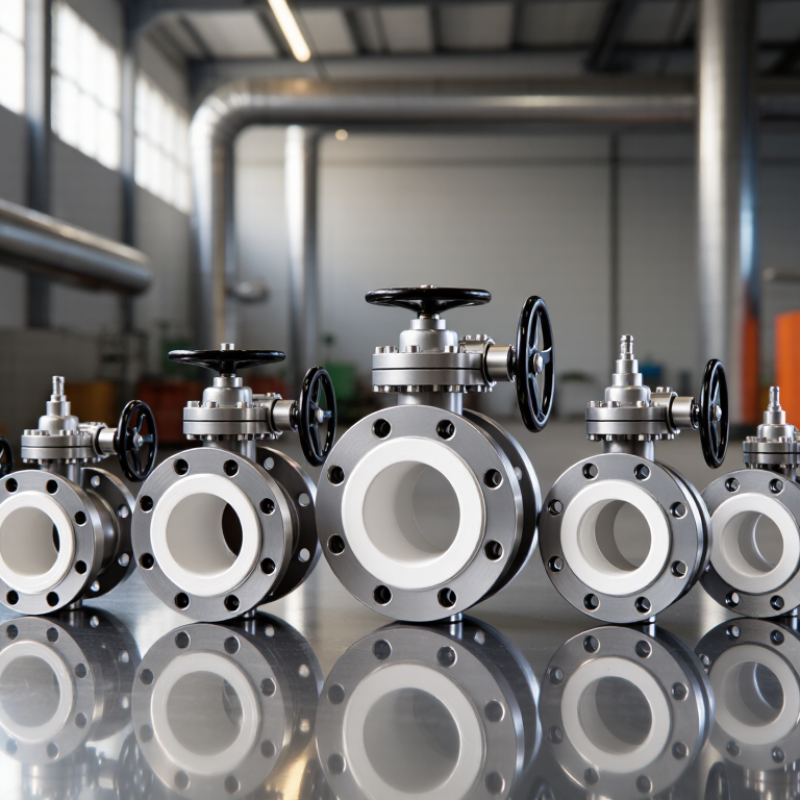
Ceramic knife gate valves control thick, abrasive slurries by moving a flat gate across the flow path. The gate travels perpendicular to the pipe, cutting through material before seating against a wear-resistant surface. Depending on the design, ceramic may protect the gate, seat, or internal lining; it is not necessarily used throughout the valve. In the open position, the gate retracts to leave a relatively clear passage. In the closed position, the seat limits flow and leakage.
The USGS Mineral Commodity Summaries 2024 estimated worldwide phosphate rock production at about 220 million metric tons in 2023. Handling abrasive mineral slurries can accelerate wear on conventional valve surfaces, making ceramic components useful in suitable service. A valve’s actual performance still depends on particle size, pressure, temperature, and operating cycles. Ceramic is hard, but it can be vulnerable to impact and sudden temperature changes. It is not a cure-all. Engineers should check the slurry conditions and valve specifications before selecting materials.
Tips: Ask for the ceramic grade, seat design, and pressure limits. Confirm whether the valve is intended for throttling or only isolation; frequent partial opening may cause uneven wear. Review maintenance access, too. Small details matter.
Ceramic knife gate valves are designed for services where abrasive particles can quickly wear ordinary metal surfaces. Their key distinction is hard ceramic trim, often used at the seat or in the flow path. In slurry lines, this can help resist abrasion from mineral fines and grit. The knife-shaped gate also cuts through many soft solids as it closes. Less buildup. But ceramic components are hard, not indestructible.
Construction varies between valve designs. Buyers should check which parts are ceramic, the ceramic type, and how the lining is retained. A valve with ceramic on the seat may perform differently from one with a ceramic-lined body. Sealing materials, gate clearance, and actuator force matter too. A tight seal is useful, but trapped particles can still affect closure. Ask for test data using media similar to the actual slurry, rather than relying on a general wear claim.
Operating conditions deserve equal attention. Ceramic surfaces can resist abrasion and some corrosive media, yet impact, sudden temperature changes, or unsuitable pressure can cause damage. These valves are generally selected for isolation, not continuous throttling, unless the design explicitly permits it. I would verify temperature, pressure, solids concentration, and particle size before choosing a model. It takes time. That check can prevent a costly mismatch.
Evaluating a ceramic knife gate valve starts with the process, not the product sheet. Identify the slurry’s solids, particle size, temperature, pressure, and cycle frequency. A valve handling fine mineral tailings may face different wear than one cutting through coarse ash. Ask for test data using comparable media. Generic abrasion claims are not enough. Details matter.
Check the wetted materials, seat design, and gate geometry against the actual service conditions. Ceramic wear surfaces can resist abrasion, but sudden impact or thermal shock may cause damage. Confirm seal compatibility and the required shutoff performance. For global applications, verify flange dimensions, pressure ratings, actuator supply, control signals, and documentation before ordering. Small mismatches can delay installation.
Request drawings and maintenance guidance, then compare expected service life with the cost of replacement parts. Confirm which components are available locally and how quickly critical spares can ship. If possible, review operating history from a similar process. A clean datasheet may still miss field complications; even experienced teams sometimes underestimate changes in slurry concentration. Pilot testing or a staged installation can expose those gaps before wider deployment.
Ceramic knife gate valves are often selected for abrasive slurries, where ordinary metal surfaces can wear quickly. The best choice depends on the line layout, pressure, solids, and shutoff direction. Seven common configurations illustrate the trade-offs.
A wafer-style valve has a compact body and suits space-limited installations between flanges. Lug-style designs allow more flexible pipe-end arrangements, while flanged bodies can simplify alignment on heavier process lines. Unidirectional valves are intended for flow from a specified side; bidirectional designs can seal against flow from either direction when correctly installed. Check the details.
Construction matters too. Replaceable ceramic liners can make wear-part service more practical, though access and replacement time depend on the body design. Metal-seated ceramic configurations may tolerate harsher abrasion, but require careful checks for leakage expectations and particle size. Reinforced, higher-pressure designs may fit demanding service, yet pressure ratings vary by model and temperature. No design wins everywhere.
Before comparing quotations, confirm slurry concentration, particle shape, operating pressure, and cycle frequency. Ask for documented material compatibility and test conditions, not just a general claim of “ceramic.” A valve that handles fine mineral slurry may struggle with large trapped solids. That distinction is easy to miss.
| Valve configuration | Typical design features | Ceramic wear surfaces | Best suited for | Key selection consideration |
|---|---|---|---|---|
| 1. Wafer-style ceramic-lined slurry valve | Compact body fits between pipeline flanges; commonly selected where installation space is limited. | Ceramic lining or ceramic-faced wear areas may protect the body and sealing zone, depending on construction. | Abrasive slurry isolation in mineral processing and similar services. | Check flange compatibility, installation support, slurry solids, and the specified flow direction. |
| 2. Lug-style ceramic-lined knife gate valve | Lugged body allows bolting to adjacent flanges; some designs support end-of-line installation, subject to manufacturer limits. | Ceramic protection is typically focused on areas exposed to abrasive flow and gate movement. | Slurry lines where a more independently supported valve body or end-of-line arrangement is required. | Confirm whether the specific valve is rated for dead-end service and for pressure on either side. |
| 3. Through-conduit ceramic knife gate valve | Gate travels through the body passage; the open position is designed to reduce obstructions in the flow path. | Ceramic-lined passage or wear components may be used to resist abrasion; details vary by design. | Services with suspended solids where reducing pockets or buildup in the passage is important. | Verify that the passage geometry and seat arrangement suit the particle size and solids concentration. |
| 4. Unidirectional ceramic slurry valve | Seat and gate arrangement is designed for a preferred flow direction; the body may include a flow-direction marking. | Ceramic-faced or lined areas can provide wear resistance at the gate-to-seat interface. | Installations with a known, stable flow direction and abrasive media. | Install in the marked direction and confirm allowable reverse-pressure conditions before purchase. |
| 5. Bidirectional ceramic knife gate valve | Seat design is intended to provide shutoff from either flow direction within the valve’s stated operating limits. | Ceramic wear components may be combined with elastomeric or other seat materials, depending on the design. | Pipelines where flow direction can reverse or cannot be fixed during operation. | Check leakage class, pressure limits in both directions, and compatibility of all wetted materials. |
| 6. Replaceable ceramic wear-component design | Wear parts or liners are designed to be serviced or replaced; serviceability depends on the valve construction. | May use alumina, silicon carbide, or other ceramic grades selected for the application. | High-wear duties where planned inspection and component replacement are part of maintenance practice. | Ask about replacement-part availability, repair procedures, and compatibility with the process fluid. |
| 7. Actuated ceramic knife gate valve | Manual, pneumatic, or electric actuation can be specified to operate the gate; actuator choice does not determine the ceramic lining design. | Ceramic-lined or ceramic-faced trim may be paired with the selected actuator and valve configuration. | Remote, frequent, or automated isolation in abrasive process lines. | Size the actuator for the actual operating conditions and confirm available power, controls, and fail position. |
Selection note: Ceramic knife gate valves are generally used for isolation rather than continuous throttling. Pressure, temperature, leakage, flow direction, ceramic grade, and material compatibility depend on the specific valve design and service conditions; confirm these limits with the technical datasheet.
Choosing among ceramic knife gate valves starts with the process, not the catalog. Tell suppliers what the line carries, including particle size, solids concentration, temperature, and operating pressure. Ask whether the ceramic surfaces suit the slurry’s abrasion and chemistry. Confirm valve size, end connections, face-to-face dimensions, and actuator requirements against your piping drawings. Request material details and relevant inspection or test records; vague descriptions make comparison difficult. Small details matter. A datasheet rarely captures every process upset, so share startup conditions and expected cleaning practices too.
Before installation, isolate and depressurize the line under your site’s procedures. Check flange alignment and support the pipe independently; forcing misaligned joints can load the valve body. Follow the maker’s instructions for bolt tightening and actuator setup. Keep debris away from the sealing surfaces during fitting. After commissioning, record operating pressure, cycle behavior, and any leakage. Maintenance should follow observed service conditions, not a guessed calendar alone. Inspect for buildup, unusual wear, and changes in closing force during planned shutdowns. Ceramic parts resist abrasion, but they can be vulnerable to impact. That trade-off is easy to overlook. If performance drifts, document the process conditions before changing settings or replacing components.
