2026 Best Exterior Wall Panels for Global Buyers?
As the global market evolves, the demand for high-quality exterior wall panels continues to rise. These panels serve not only as protective barriers but also significantly enhance aesthetic appeal. Choosing the right exterior wall panels is crucial for builders and homeowners alike.
In 2026, buyers face numerous options. Different materials and styles can greatly affect the look and durability of a structure. Key considerations include weather resistance, insulation properties, and maintenance needs. Each panel type brings both strengths and weaknesses. It's vital to understand these aspects before making a decision.
While many manufacturers claim to offer the best products, reliability often varies. Comprehensive research is necessary to ensure quality. Buyers should seek expert opinions and verify claims. The worth of exterior wall panels lies in their long-term performance. Investing in reliable materials can prevent future regrets.
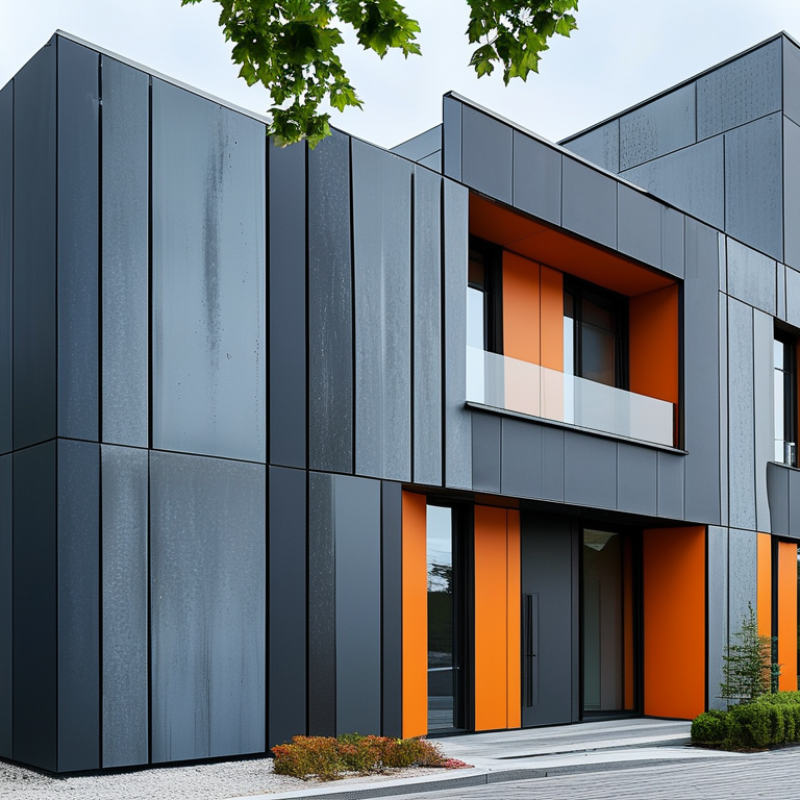
Overview of Exterior Wall Panels and Their Importance in Construction
Exterior wall panels play a crucial role in modern construction. They not only enhance aesthetics but also provide insulation and weather protection. Choosing the right panels can significantly impact a building's energy efficiency. Properly installed panels minimize heat loss and reduce energy costs over time.
The materials used in these panels vary widely. Options include wood, metal, and composites, each with distinct properties. While wood offers beauty, it requires maintenance. Metal panels are durable but may not suit every design vision. Composites combine both benefits but can sometimes be more expensive. This diversity presents contractors with choices but also challenges.
Installation is another key aspect to consider. Poor installation can lead to leaks and structural issues. Yet, proper techniques can enhance the lifespan of wall panels. Each panel must be aligned correctly to ensure durability. Attention to detail is vital, or the entire project may suffer. Understanding these nuances can elevate a building’s overall quality.
Types of Exterior Wall Panels: Materials and Finishes Explained
When considering the best exterior wall panels for various global buyers in 2026, understanding their materials and finishes is crucial. Common materials include vinyl, wood, metal, and fiber cement. Each of these materials offers distinct advantages and disadvantages. Vinyl panels are durable; they resist moisture but may fade over time. Fiber cement is robust and fire-resistant, yet its weight can complicate installation.
Finishes greatly impact the aesthetic and functional quality of these panels. Textured finishes can enhance grip and visual appeal. In contrast, smooth finishes offer a modern look but may require more maintenance. Reports indicate that over 55% of architects prefer textured surfaces for their projects. However, this preference does not account for the additional cleaning often required.
There’s ongoing debate about the lifespan of different materials. Vinyl can last over 30 years, while wood may only last 20 if not treated properly. Surprisingly, more than 40% of panel users have reported issues with fading or warping. These challenges highlight the importance of selecting materials that not only meet aesthetic desires but also withstand environmental conditions.
2026 Best Exterior Wall Panels for Global Buyers
| Type of Panel | Material | Finish Options | Durability | Weather Resistance |
| Vinyl Panels | PVC | Smooth, Textured, Painted | High | Good |
| Fiber Cement Panels | Cement, Sand, Cellulose | Painted, Textured | Very High | Excellent |
| Wood Paneling | Natural Wood | Stained, Painted, Varnished | Moderate | Variable |
| Metal Panels | Aluminum, Steel | Coated, Stainless | High | Excellent |
| Stucco Panels | Cement, Aggregate | Textured, Smooth | High | Good |
Key Factors to Consider When Choosing Wall Panels
When choosing wall panels, several key factors demand attention. Material type greatly influences durability and aesthetics. According to industry reports, composite materials often outperform traditional wood in sustainability and weather resistance. They handle temperature extremes better, making them suitable for diverse climates.
Thickness is another critical factor. Industry data indicate that thicker panels provide enhanced insulation properties. This translates to better energy efficiency in buildings. However, some buyers may prioritize cost over efficiency, leading to a compromise in quality.
Lastly, fire resistance cannot be overlooked. A 2021 study highlighted that certain wall panel materials significantly reduce fire spread. Choosing panels with adequate fire ratings is essential for safety. Ignoring this may result in severe consequences down the line. Understanding these elements is crucial for making informed purchasing decisions in the global marketplace.
Top 2026 Brands and Innovations in Exterior Wall Panels
In 2026, the exterior wall panel market is vibrant with innovation and design. According to industry reports, the global market is expected to reach $200 billion by 2027. Climate resilience has become a priority. Many brands are investing in materials that withstand extreme weather. This trend reflects the growing need for sustainability in construction.
New composite materials dominate the market. They offer enhanced durability and aesthetic appeal. A 2023 survey indicates that nearly 65% of architects favor these products for their projects. Texture and color options have expanded significantly, allowing for greater creativity in architectural designs. However, quality control remains a challenge. Some manufacturers struggle to maintain consistent standards.
The advancements in insulation technology also deserve attention. Enhanced thermal performance contributes to energy savings. However, not all innovations provide the same level of effectiveness. There are concerns about the long-term viability of some newer materials. Buyers must conduct thorough research before making decisions. Industry experts recommend looking for certifications that ensure reliability.
Sustainability and Energy Efficiency in Exterior Wall Panel Choices
When choosing exterior wall panels, sustainability and energy efficiency are crucial factors. According to a 2022 report by the International Energy Agency, buildings account for nearly 40% of global energy-related carbon emissions. This makes it imperative for builders and architects to select materials that minimize environmental impacts. Panels designed with recycled materials can cut waste significantly.
Energy-efficient wall panels contribute to long-term savings. The U.S. Department of Energy states that improved insulation reduces heating and cooling costs by up to 30%. Advanced designs, such as insulated panel systems, not only enhance thermal performance but also reduce energy consumption. These options help lower greenhouse gas emissions.
However, not all materials are created equal. Some panels may have a higher carbon footprint during production. Investigating life-cycle assessments of wall materials is essential. Buyers should question the sustainability claims of manufacturers. Scrutiny is necessary to ensure materials align with environmental goals. Seeking transparency in sourcing and production processes helps make informed choices.