Why Choose Aluminium Containers for Food Storage?
When it comes to food storage, choosing the right container is crucial. Aluminium containers have gained popularity for several reasons. They are lightweight and durable, making them ideal for various food types. One key benefit of using an aluminium container is its excellent thermal conductivity. This means your food stays fresh for longer.
However, not all aluminium containers are created equal. Some may not seal properly, potentially leading to spills. It's important to choose a reliable brand. Consider how often you cook and what types of food you store. High-quality aluminium containers can resist corrosion and withstand heat, which adds to their functionality.
While aluminium containers are convenient, you might wonder about environmental impacts. Recycling is essential to address sustainability concerns. Reflect on your choices and their effects on the planet. In conclusion, the advantages of aluminium containers are clear, but mindful usage is necessary.
Advantages of Aluminium Containers Over Traditional Food Storage Options
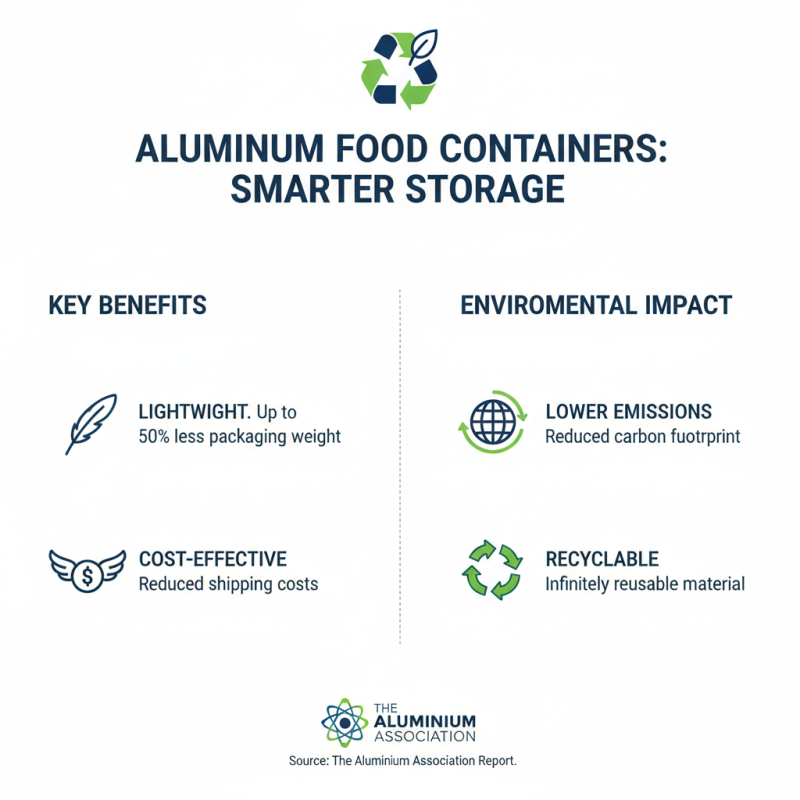
When it comes to food storage, aluminium containers stand out among traditional options. Their lightweight nature is a significant advantage. A report from the Aluminium Association states that aluminium containers can reduce packaging weight by up to 50%. This reduction not only cuts shipping costs but also lowers carbon emissions.
Aluminium is highly resistant to corrosion and does not absorb food odors. Unlike plastic, it maintains the quality of food. Research indicates that food stored in aluminium containers has a longer shelf life, thanks to its barrier properties. Studies show that aluminium effectively prevents moisture and air from degrading food.
Yet, there are considerations. Some may question the environmental impact of aluminium production. A 2022 study highlighted the energy-intensive processes involved in aluminium manufacturing. However, aluminium is 100% recyclable, and recycling requires only 5% of the energy needed for new production. This recycling capability plays a pivotal role in reducing environmental harm. Balancing these factors can prompt further reflection on sustainable food storage practices.
Corrosion Resistance: Ensuring Food Safety and Longevity
Aluminium containers are increasingly popular for food storage due to their impressive corrosion resistance. This inherent property protects food against spoilage and contamination. Unlike some materials, aluminium does not easily react with acidic or alkaline foods. This means your meals can retain their original flavor and nutrients for a longer time.
Using aluminium containers can greatly enhance food safety. They prevent moisture buildup, which can lead to mold growth. Plus, their lightweight nature makes them easy to handle. When you store food in these containers, you reduce the risk of leaks or spills.
Tips: Always ensure that your aluminium containers are clean and dry before use. This simple step helps maintain food quality. Consider using resealable lids to further protect your food. Not all containers are durable over time, so check for any signs of wear.
Why Choose Aluminium Containers for Food Storage? - Corrosion Resistance: Ensuring Food Safety and Longevity
| Feature |
Aluminium Containers |
Other Materials |
| Corrosion Resistance |
Excellent resistance to corrosion |
Moderate to low resistance; can rust |
| Weight |
Lightweight and easy to handle |
Heavier and often cumbersome |
| Durability |
High durability with impact resistance |
Variable durability; often breaks easily |
| Temperature Resistance |
Can withstand extreme temperatures |
Limited temperature resistance |
| Recyclability |
100% recyclable without loss of quality |
Generally recyclable but often with limitations |
| Cost Efficiency |
Cost-effective over long-term use |
Higher replacement costs due to wear |
Impact of Aluminium on Food Freshness and Quality Preservation
Aluminium containers play a significant role in maintaining food freshness. A recent report from the Food Research Institute noted that aluminium packaging reduces oxygen exposure. This limit on oxygen delays spoilage. Aluminium also provides a barrier against moisture, which can lead to food deterioration. These factors contribute to longer shelf life.
Consider the case of pasta stored in aluminium containers. A study revealed that pasta could remain fresh for up to 12 months when sealed properly. In contrast, with traditional containers, the freshness may only last about 6 months. The imperceptible differences, like maintaining texture and flavor, can significantly impact meal quality.
However, not all aluminium containers are created equal. There can be variations in the thickness of the material. Thinner containers may not provide the same level of protection. It's crucial to choose wisely. Although convenient, it is essential to avoid relying solely on aluminium for long-term storage. Balancing different materials might yield the best overall quality. Adjusting storage methods can lead to better food preservation outcomes.
Impact of Aluminium Containers on Food Freshness and Quality Preservation
Recyclability of Aluminium: Environmental Benefits and Industry Statistics
Aluminium containers are becoming popular for food storage due to their recyclability. This metal can be recycled multiple times without losing quality. Recycling aluminium saves 95% of the energy needed to produce new aluminium. This is a huge benefit for the environment. The reduced energy consumption directly translates to lower greenhouse gas emissions. Many communities are increasingly prioritizing recycling.
Using aluminium containers means less waste in landfills. In 2019, around 75% of aluminium from the recycling system was reused. Unfortunately, many people still throw away aluminium containers instead of recycling them. This leads to missed opportunities for environmental benefits.
Tips for recycling: Always rinse your aluminium containers before recycling. Cleanliness helps maintain quality in the recycling process. Check local recycling guidelines to see if they accept aluminium. Not all areas have the same rules. Remember, small steps can make a difference. Reflect on your consumption habits. Are you doing enough to recycle effectively?
Cost-Effectiveness of Aluminium Containers in Food Service Businesses
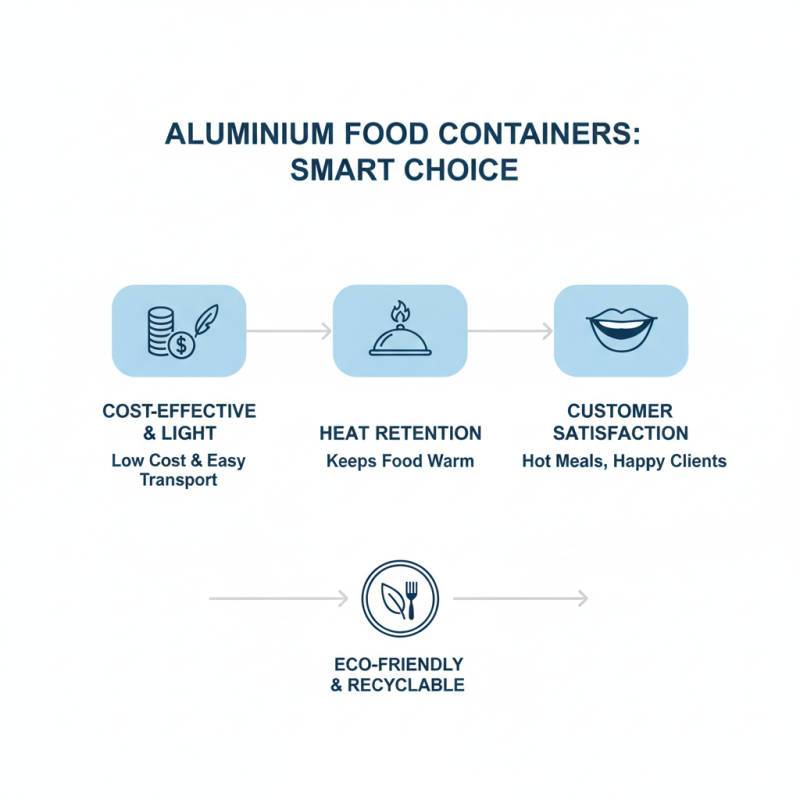
Aluminium containers are increasingly popular in food service due to their cost-effectiveness. These containers are lightweight and easy to transport, making them ideal for catering businesses. With their ability to retain heat, they keep food warm during delivery. This means customers receive meals at the right temperature, enhancing their dining experience.
Using aluminium containers can significantly reduce costs in the long run. They are often more affordable than glass or plastic options. Additionally, they are recyclable, which can lower waste disposal costs. However, some might worry about the potential for leaching. It's important to consider these factors when choosing materials.
Another aspect is the durability of aluminium. While they can withstand heavy use, they may dent or scratch easily. This could affect presentation for high-end catering. It's essential for business owners to weigh these pros and cons carefully.