Why Choose Aluminium Containers for Your Packaging Needs?
In recent years, the demand for sustainable packaging has grown significantly. According to a report by Smithers Pira, the global market for sustainable packaging is projected to reach $500 billion by 2028. This shift reflects a growing concern for the environment and consumer preferences for eco-friendly solutions. Aluminium containers are at the forefront of this evolution. They are easy to recycle and reduce waste.
Aluminium containers have unique properties that make them ideal for various industries. They provide excellent barrier protection, ensuring product safety and freshness. Additionally, aluminium is lightweight, which can lower transportation costs. A study by the Aluminum Association noted that recycling aluminium saves 95% of the energy needed to create new metal.
However, some may question the costs associated with switching to aluminium containers. Initial investments can be high compared to traditional materials. Yet, considering the long-term benefits, many companies are realizing that this switch is worth the investment. The use of aluminium containers can enhance brand image and meet consumer demands for responsible packaging. It is essential to weigh both the challenges and benefits in this evolving landscape.

Benefits of Aluminium Containers in Packaging Applications
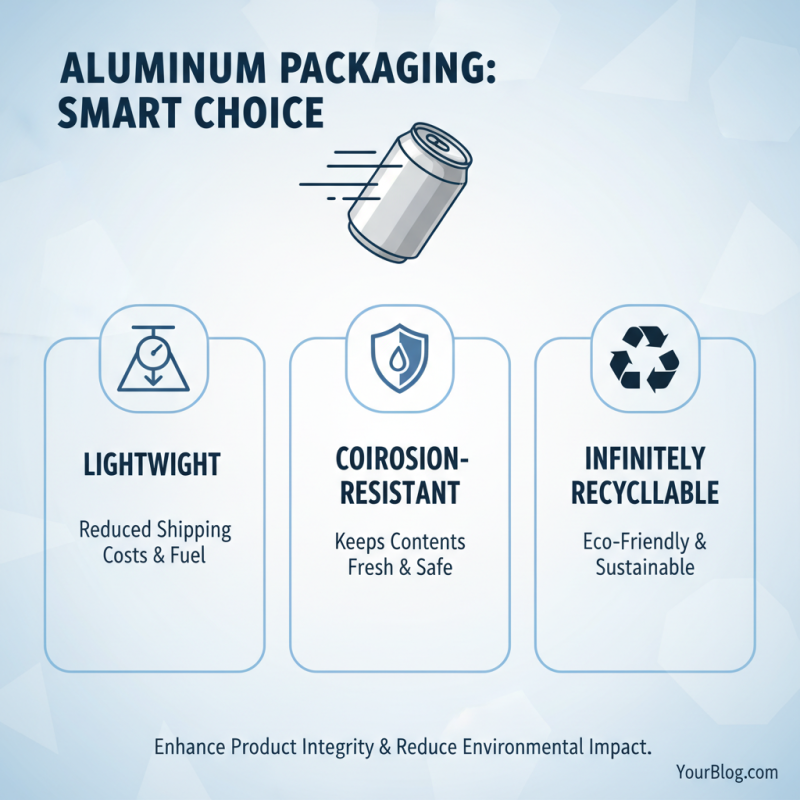
Aluminium containers are an excellent choice for packaging. They provide numerous benefits that can enhance product integrity. One key advantage is their lightweight nature. This feature reduces transportation costs and energy consumption when shipping. Furthermore, aluminium is resistant to corrosion, which ensures that the contents remain safe and fresh.
Another important benefit is recyclability. Aluminium can be recycled repeatedly without losing its quality. This eco-friendly aspect makes it a sustainable option. Consumers increasingly prefer brands that prioritize sustainability. Using aluminium containers can help businesses meet this demand. However, not every aluminium container is equally recyclable, so it’s important to check local recycling guidelines.
When considering aluminium for packaging, think about your product's needs. Ensure the container size is appropriate. Larger containers might seem more efficient, but they could lead to waste if the product is underused. Also, consider the seal quality. A poorly sealed container may compromise the product inside. Always test your packaging choices before full-scale production.
Durability and Lightweight Properties of Aluminium
Aluminium containers have gained popularity in packaging due to their unique properties. One significant advantage is their durability. Aluminium is resistant to corrosion and damage, making it an ideal choice for storing various products. It can withstand temperature changes well, which ensures that contents remain intact. This feature is especially critical for food or chemical products that need secure storage.
Lightweight is another essential property of aluminium. Compared to other materials, it is much lighter, which makes transportation easier. A lighter container means reduced shipping costs and less energy consumption during transport. However, it’s important to note that some users may overlook durability when seeking lightweight options. This could lead to choosing materials that might not offer the same level of protection.
While aluminium containers are efficient, they do come with some reflections. Not all aluminium is created equally; the quality can vary. It's vital to ensure you are selecting high-quality options that meet your specific needs. Moreover, the recycling process for aluminium can also have challenges, and addressing these will improve sustainability efforts. Balancing these factors will yield the best outcomes in packaging choices.
Sustainability and Environmental Impact of Aluminium Packaging
Aluminium containers play a significant role in sustainable packaging. Their recyclability is one of their main advantages. Aluminium can be recycled endlessly without losing quality. This process saves energy and decreases the need for raw materials. The environmental impact is much lower compared to plastic containers. Additionally, recycling aluminium reduces greenhouse gas emissions. Many communities have recycling programs in place, which makes it easier for consumers.
When choosing packaging, consider the life cycle of materials. Aluminium requires less energy to recycle than to produce new. Look for containers that have recycled content. This choice promotes a circular economy. The benefits extend beyond just efficiency. Using sustainable materials can enhance brand reputation.
Consider these tips for choosing aluminium packaging. Opt for lightweight options to reduce transportation emissions. Check if your local recycling facilities accept aluminium. Explore bulk purchasing solutions to minimize packaging waste. Reflect on your choices to seek the most eco-friendly options available. Every step counts towards a more sustainable future.
Why Choose Aluminium Containers for Your Packaging Needs? - Sustainability and Environmental Impact of Aluminium Packaging
| Dimension |
Data |
| Recyclability Rate |
75% |
| Carbon Footprint Reduction (compared to plastic) |
50% |
| Energy Savings in Recycling |
95% |
| Lifecycle Duration |
Up to 500 years |
| Weight Reduction |
Up to 30% lighter than glass |
| Resource Efficiency (Material Use) |
Aluminium can be recycled infinitely without loss of quality. |
| Usage in Food & Beverage Industry |
Over 70% of aluminium containers are used for food and drink. |
Versatility of Aluminium Containers for Various Products
Aluminium containers are incredibly versatile, accommodating a range of products from food to cosmetics. These containers are lightweight yet sturdy, making them ideal for transport. They can be easily shaped and sized to meet various packaging needs. Whether you are looking for something to store sauces, snacks, or skincare items, aluminium provides a reliable solution.
One of the appealing aspects of aluminium is its recyclability. This attribute helps brands reduce their environmental impact. However, it’s crucial to ensure that recycling processes are in place. Sometimes, the infrastructure for recycling in certain areas may be lacking. This creates challenges for both consumers and manufacturers. Not all consumers are aware of proper disposal methods, leading to potential waste.
Despite these challenges, the benefits of aluminium containers cannot be ignored. They are excellent at preserving freshness, protecting products from light and oxygen. The durability helps minimize breakage during shipping. Brands often realize that choosing aluminium might also elevate the perceived value of their product. Yet, understanding consumer preferences is essential. Not everyone may favor this material due to health concerns or perceptions of safety.
Cost-Effectiveness and Efficiency of Aluminium Packaging Solutions
Aluminium packaging offers a blend of cost-effectiveness and efficiency. According to a report by Smithers Pira, the global market for aluminium packaging is expected to reach $142 billion by 2024. This growth highlights the increasing preference for aluminium containers across various industries including food and beverage, pharmaceuticals, and cosmetics. Aluminium is lightweight yet strong. This helps reduce transportation costs and overall carbon footprint.
Cost savings are notable. Aluminium is highly recyclable, with a recycling rate of 75%. Recycled aluminium requires 95% less energy than new production. This means companies can save on energy costs in the long run. Moreover, businesses can take advantage of the lightweight nature of aluminium, increasing shipping efficiency and reducing logistical expenses.
However, challenges exist. Not all aluminium packaging is environmentally friendly. Some processes release harmful emissions. Additionally, the initial investment can be higher than traditional materials. Brands must weigh these factors carefully. The potential for cost savings is real. Yet, a responsible approach to sourcing and production is crucial for sustainable growth.
Cost-Effectiveness and Efficiency of Aluminium Packaging Solutions