Why Choose Aluminum Containers for Food Storage and Packaging?
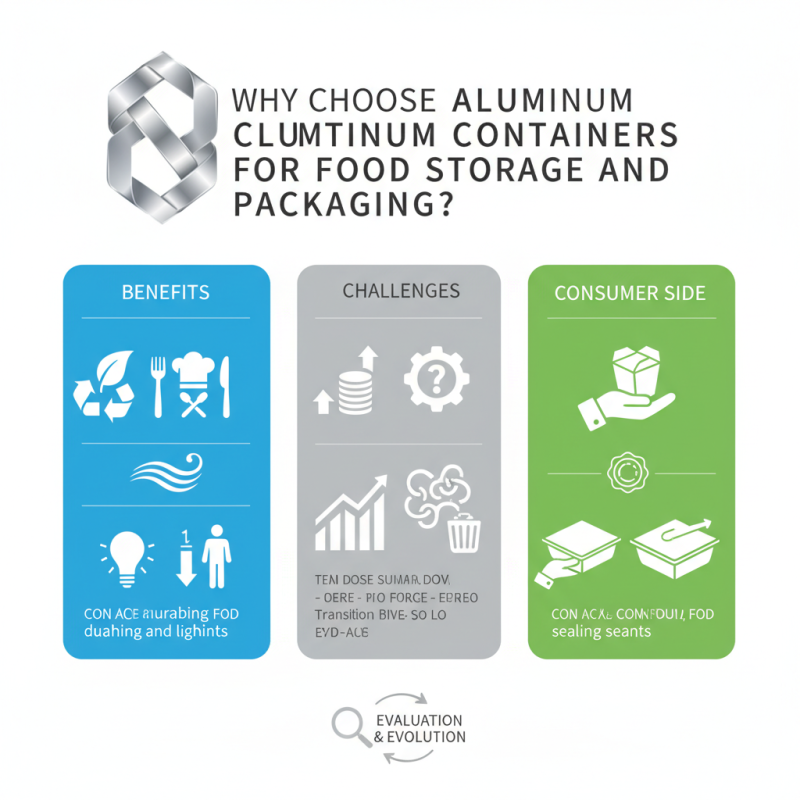
In the food storage and packaging industry, aluminum containers have become increasingly popular. According to Sarah Mitchell, an expert in packaging solutions, "Aluminum containers are a game-changer for preserving food freshness." Their lightweight yet durable nature makes them ideal for various applications.
Many food businesses appreciate aluminum containers for their recyclability and eco-friendliness. However, the transition to these containers isn't without challenges. Some manufacturers face initial costs that can be daunting, leading to hesitation. This does provoke questions about sustainability in packaging, and whether current practices effectively reduce waste.
On the consumer side, aluminum containers provide ease of use. They are perfect for takeout meals and food storage at home. It's essential to remember, however, that not all aluminum containers are created equal. Some may not offer the best seal, affecting food quality. As the industry evolves, it’s vital to continually evaluate these products to ensure they meet both safety and convenience demands.
Benefits of Aluminum Containers for Food Storage
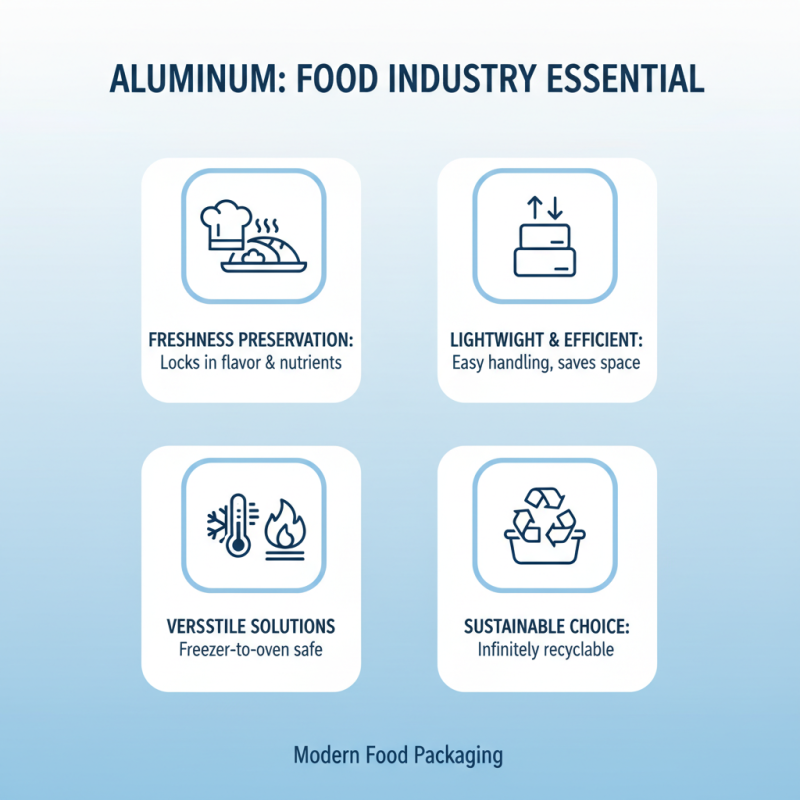
Aluminum containers have gained popularity in food storage and packaging. Their unique properties make them an excellent choice in various settings. One significant benefit is their recyclability. According to the Aluminum Association, around 75% of all aluminum ever produced is still in use today. This emphasizes its sustainable nature. Using aluminum can reduce environmental impact compared to single-use plastics.
Another advantage is their ability to retain heat. Food heats more evenly in aluminum containers, enhancing flavor and texture. Additionally, aluminum resists corrosion and does not absorb food odors, keeping food fresh longer. Research from the USDA shows that aluminum containers can increase shelf life by up to 20%.
Tips: When using aluminum containers, consider their weight. They can be lighter than glass and plastic, making transport easier. When reheating, avoid using containers with single-use liners, as they may not withstand high temperatures. Always ensure containers are properly sealed to maintain food quality.
Yet, there are some downsides. Scratches or dents can compromise their sealing capability. Finding a proper size for your food can be challenging. Reevaluate your food storage habits to maximize the benefits of aluminum containers.
Benefits of Aluminum Containers for Food Storage
Durability and Recyclability of Aluminum in Packaging
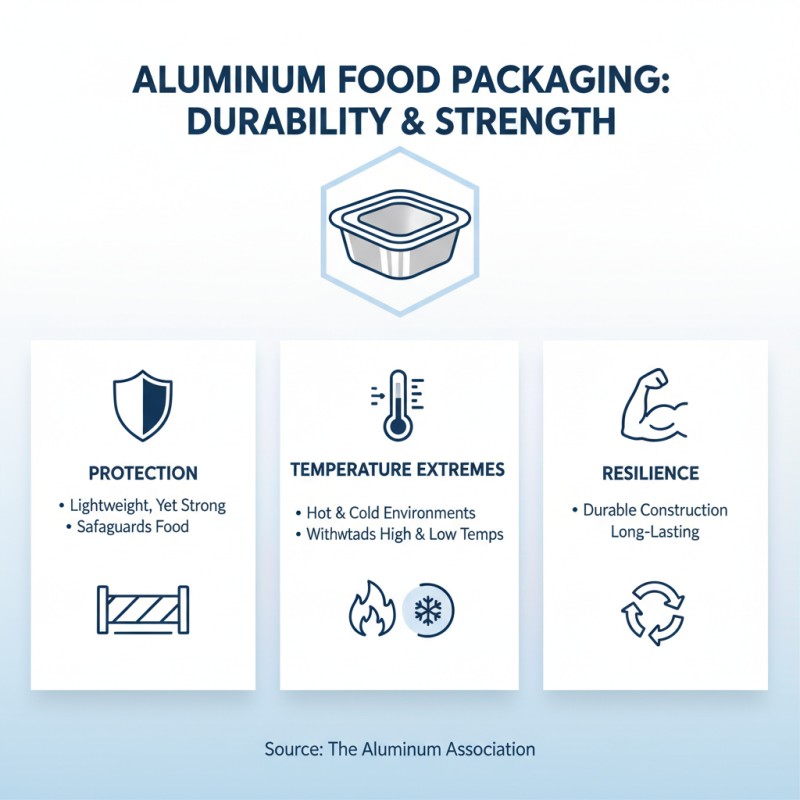
When it comes to food storage and packaging, aluminum containers shine for their durability. According to the Aluminum Association, aluminum is lightweight yet strong. This strength means it can protect food from harsh conditions. A report shows that aluminum can endure extremes in temperature. It is effective in both hot and cold environments.
Recyclability is another crucial factor. The International Aluminum Institute states that aluminum can be recycled indefinitely without losing quality. In fact, recycling aluminum saves 95% of the energy needed to produce new aluminum. This is a significant benefit for the environment. However, not all recycling processes are efficient. Some facilities struggle with contamination, which can hinder effective recycling.
Despite its advantages, aluminum packaging is not without flaws. Concerns about food reactions with aluminum exist. Studies suggest that using aluminum for acidic foods may lead to leaching. This could pose risks, though much is still under research. More data is needed to clarify this issue. It highlights an ongoing need for industry standards in food safety.
Health and Safety Considerations of Using Aluminum
Aluminum containers are increasingly popular for food storage and packaging. Their lightweight nature and durability make them appealing. However, health and safety concerns merit careful consideration. According to the World Health Organization, excessive aluminum exposure may have health risks. Aluminum can leach into food, especially when heated. Studies suggest that acidic foods can increase this leaching. This could be a concern for long-term users.
The U.S. Food and Drug Administration has set limits on aluminum levels in foods. They recognize the potential of aluminum salts in food additives. Yet, not all aluminum is harmful. Proper use and storage can mitigate risks. Following guidelines on food temperatures can help. Research indicates that cooking with aluminum is safe under normal conditions. Keeping aluminum containers away from direct heat can reduce worries about leaching.
Despite the advantages, lingering doubts remain. Some studies link aluminum to neurological issues, though much is still unclear. Consumers must weigh benefits against potential risks. A cautious approach is wise. Understanding the materials in contact with food is crucial. Knowledge empowers better choices in food storage and packaging.
Comparison with Other Food Storage Materials
When comparing aluminum containers to other materials like plastic and glass, aluminum stands out for its unique properties. According to a report by the Aluminum Association, aluminum is lightweight yet robust, making it ideal for food storage. It protects contents from light and oxygen, significantly extending shelf life. Unlike plastic, aluminum is non-toxic and won’t leach harmful chemicals. This makes it a safer choice for food packaging.
However, there are drawbacks to consider. Aluminum can be more expensive than plastic, which may not be feasible for all budgets. Additionally, the environmental impact of aluminum production is significant, despite being recyclable. Consumers should weigh these factors when making choices.
Tips: To enhance food storage, use aluminum containers for items prone to spoilage. Store dry goods in sealed containers to maintain freshness. Always check local recycling guidelines for aluminum waste, promoting sustainability.