How to Choose the Best Stainless Welding Wire at Canton Fair 2026?
Choosing the right Stainless Welding Wire is crucial for any manufacturing process. At the upcoming Canton Fair 2026, industry expert Dr. Emily Zhang emphasizes, "Quality welding wire dictates the strength and longevity of your welds." This sentiment echoes the importance of making informed decisions at trade shows, where numerous suppliers compete.
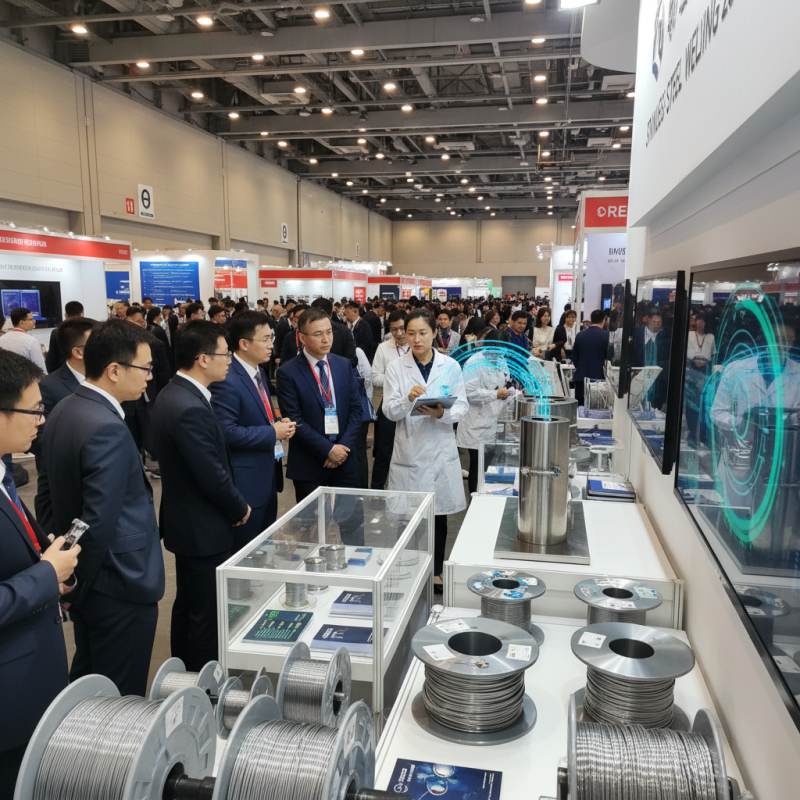
The 139th Canton Fair offers a unique opportunity. With over 1.55 million square meters of exhibit space, it can be overwhelming. However, the introduction of AI-driven search tools will help buyers easily identify suppliers that meet specific certifications like ISO and CE. This efficient navigation allows for focused exploration of Stainless Welding Wire options, ensuring that quality and standards are not compromised.
Researching and comparing products at the Fair can reveal both strengths and weaknesses in current offerings. It’s essential to reflect on what truly meets your needs. Selecting the best Stainless Welding Wire might be challenging, but leveraging smart technology can make the process more straightforward. Optimize your visit, but don’t forget the significance of personal inspection and expert guidance.
Understanding Stainless Steel Welding Wire Grades and Specifications
When attending the Canton Fair 2026, understanding stainless steel welding wire grades is crucial. Different grades represent varying properties. Common grades include 304, 316, and 309. The 304 grade is often used for general purposes. It offers good corrosion resistance and formability. In contrast, 316 is preferred for more demanding environments. This grade provides better resistance to salt and acidic conditions.
Specifications are equally essential when selecting welding wire. Wire diameter affects the heat input during welding. Thicker wires usually deliver more heat, which can influence the weld quality. A thicker wire may be easier to use, but it might also create excessively large welds. You may need to adjust your technique accordingly. Smaller diameters often lead to improved control but require practice to master.
Consider the welding process as well. Different methods may require specific wire types. For example, MIG welding often uses different grades than TIG welding. Inspecting the details of your welding operation can help you choose wisely. Be open to learning from others’ experiences to refine your selection. Small miscalculations can lead to project delays. Inadequate understanding of wire specifications can result in subpar welds, requiring additional efforts.
Key Factors to Consider When Selecting Welding Wire at Canton Fair 2026
When attending the Canton Fair 2026, selecting the right stainless welding wire is crucial for your projects. Quality plays a significant role. According to industry studies, the strength of welding wire can impact the overall durability of the welded structures. Low-quality wire can lead to weak joints, posing safety risks.
Consider the wire's diameter. For lighter materials, a smaller diameter is often suitable. However, thicker materials demand larger diameters for better penetration and strength. Data suggests that inconsistent wire thickness can lead to weld failures, necessitating caution during selection.
Another factor is the wire’s chemical composition. Analyze the specific grades of stainless steel that suit your needs. Differences in nickel and chromium content affect corrosion resistance. Some reports highlight that materials with higher nickel content provide enhanced performance in harsh environments. Depending on your application, this could be a game-changer. Be aware of the certifications and specifications required for your projects to ensure compliance. Always weigh your options carefully.
Comparing the Performance of Popular Stainless Welding Wire Brands
When attending the Canton Fair 2026, evaluating stainless welding wire options is crucial. Not all welding wires are created equal. Various brands offer differing characteristics such as tensile strength and corrosion resistance. These factors directly affect the quality of the weld and overall project durability.
Comparing popular options can reveal distinct performance traits. Some wires might excel in specific environments, while others may fall short. For instance, some welding wires may require higher heat levels, posing potential challenges for certain applications. Additionally, the usability of the wire can differ from one brand to another, leading to inconsistencies in the welding process. Testing a few samples can help identify which wire works best under varied conditions.
It is essential to consider feedback from other welders. Practical experiences can highlight advantages or drawbacks that might not be immediately evident. Sometimes, a well-marketed wire does not perform as expected. Reflecting on these insights can guide you in making an informed choice while navigating the bustling aisles of the fair. Choose wisely, as the right welding wire can dramatically influence your project's success.
Comparison of Stainless Welding Wire Performance
This chart compares the tensile strength and elongation percentage of various stainless welding wires, showcasing critical performance metrics to help you choose the best option at Canton Fair 2026.
Analyzing Cost-Effectiveness of Different Stainless Welding Wires
When selecting stainless welding wire at the Canton Fair 2026, cost-effectiveness plays a critical role. Different types of stainless welding wires vary in price and quality, impacting your project's budget. According to a recent industry report, the price range for stainless welding wire can differ by up to 35% based on material type and manufacturer. This emphasizes the importance of understanding market variations.
Factors influencing cost-effectiveness include the wire's alloy composition and diameter. For instance, 316L stainless steel wires are often priced higher due to superior corrosion resistance. However, cheaper alternatives may not perform as well in harsh conditions. It’s crucial to evaluate the performance versus price ratio. A report indicates that using lower-grade wires may save money upfront but lead to higher maintenance costs later on.
Choosing the right wire requires careful consideration. Research shows that spending a little more initially can lead to significant savings over time. Learn about different welding techniques and their impact on material selection. Remember, not every low-cost option is a wise investment. Reflect on your project requirements and long-term goals before making a decision.
Exploring Innovations in Stainless Welding Wire Technology at the Fair
The Canton Fair 2026 promises exciting innovations in stainless welding wire technology. Visitors will discover a range of advanced materials that enhance welding efficiency. New stainless welding wires are designed to improve corrosion resistance and accommodate various welding techniques. These innovations could redefine expectations in the welding industry.
Some offerings might not meet initial expectations. For example, certain wires could have unique melting points that surprise users. This leads to questions about compatibility with existing equipment. Also, while some products boast higher strength, their cost may not justify the benefits for small operations. It's essential to test these new wires before making a large investment.
Moreover, the fair will feature discussions on eco-friendly materials. Sustainability in welding technology is gaining traction. Visitors could find solutions that minimize environmental impact while maintaining quality. But potential buyers should be wary of claims that sound too good to be true. Engaging with manufacturers directly can provide clarity and help in making informed choices.