How to Choose the Best Aluminium Foil Paper for Your Needs?
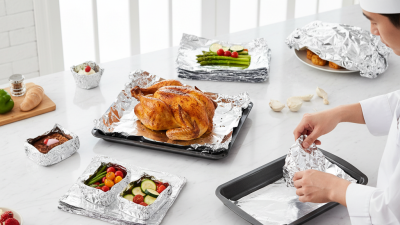
Choosing the right aluminium foil paper can greatly impact your cooking and food storage. With so many options available, it’s essential to understand what suits your needs best. This material has various uses, ranging from cooking to wrapping leftovers.
A high-quality aluminium foil paper should be durable and easy to use. You might want to consider factors like thickness, length, and even the brand's reputation. Not all products are created equal, and preferences may vary depending on specific tasks.
For example, thinner foil might be convenient for light tasks, but it could tear easily. On the other hand, heavy-duty options offer more reliability but may be more expensive. Weighing these differences will guide you to make the best choice for your kitchen. Remember, what works well for one person may not work for another. Finding the ideal aluminium foil paper can be a journey of trial and error.
Understand the Different Types of Aluminium Foil Paper Available
When selecting aluminum foil paper, it's crucial to recognize the different types available. There are two primary categories: heavy-duty and standard foil. Heavy-duty options are thicker and more tear-resistant. They are ideal for grilling and baking. Standard aluminum foil is thinner, suitable for various everyday uses. According to the Flexible Packaging Association, the demand for heavy-duty foil has increased by 15% in recent years. Consumers are leaning towards products that offer durability.
Another type is non-stick aluminum foil. It features a coating that prevents food from adhering. This can be particularly helpful for cooking sticky items like fish. A survey by the Aluminum Association noted that 40% of users prefer non-stick for its convenience while cooking or storing leftovers. It's worth noting that the thickness of the foil can also impact performance. Thicker foil might provide better insulation but can be less flexible.
Understanding these distinctions is vital. It helps in choosing the right foil for specific tasks. However, it’s essential to reflect on personal needs. Not every type will fit every purpose. As the market evolves, so do consumer preferences and needs. Careful consideration of individual applications can lead to smarter choices in aluminum foil paper.
Comparison of Different Types of Aluminium Foil Paper
Evaluate Key Features: Thickness, Size, and Coating
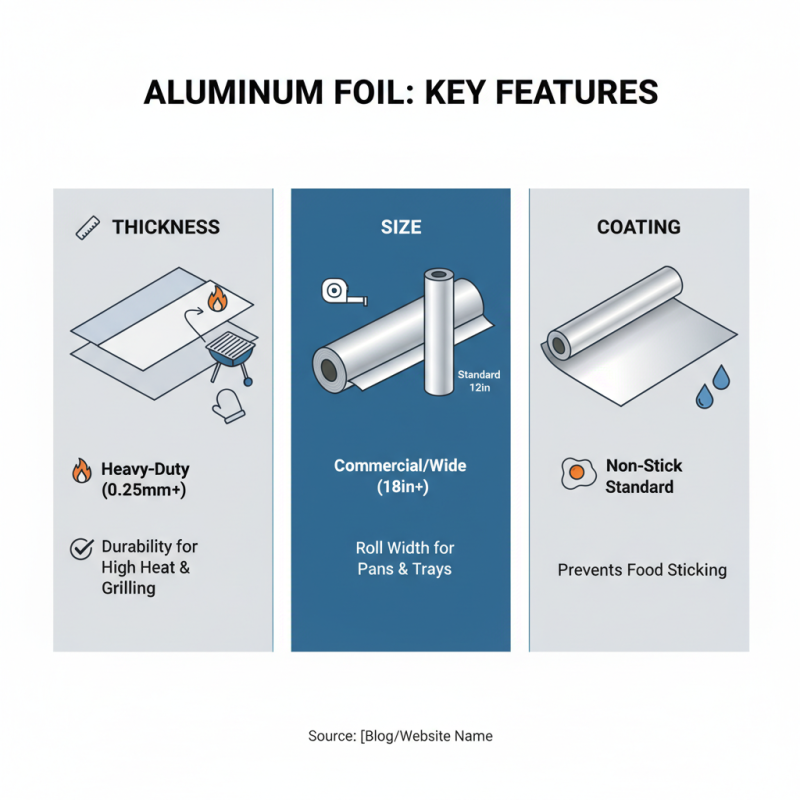
When selecting aluminium foil paper, key features must be considered. Thickness plays a critical role in determining durability. Thicker foil can withstand high heat and is less likely to tear. This is especially helpful for grilling or baking. A standard thickness typically ranges from 0.016 to 0.025 millimeters. For heavy-duty tasks, opt for a thicker foil for better performance.
Size is another essential factor. The width and length of the roll affect how much you can wrap or cover in one go. Standard rolls vary, but most common sizes include 30 cm in width and 10 meters in length. Consider your cooking habits. If you often prepare larger meals, a wider roll reduces the number of sheets you need.
Coating is an often-overlooked feature. Some foils come with a non-stick coating. This is useful for baking and simplifies cleanup. However, not all coatings are the same. Check if they can withstand your cooking temperatures. A mismatch can lead to undesirable results. Reflect on your specific needs and cooking style to ensure the foil meets those requirements effectively.
Consider Food Safety and Health Aspects of Aluminium Foil
When choosing aluminium foil, food safety and health considerations are vital. Aluminium is widely used for cooking and storing food, but its safety for health remains a topic of discussion. One concern is the leaching of aluminium into food, especially when cooking acidic dishes. This can raise questions about long-term health impacts.
Some studies suggest that high levels of aluminium intake may be linked to health issues. Yet, the risk varies based on usage. For example, using foil at high temperatures might increase leaching. Avoid using flimsy, low-quality foil that can easily tear, leading to unintended contamination. Consider thicker, food-grade alternatives that offer more safety.
Health-conscious consumers often look for alternatives. Beeswax wraps or parchment paper can serve as options. However, their suitability may change based on the cooking method. Reflect on your cooking habits and choose accordingly. Each method has its pros and cons. It's essential to stay informed about how aluminium can impact your meals and health.
How to Choose the Best Aluminium Foil Paper for Your Needs? - Consider Food Safety and Health Aspects of Aluminium Foil
| Type of Aluminium Foil |
Thickness (microns) |
Application |
Microbiological Safety |
Health Considerations |
| Standard Aluminium Foil |
12 |
Baking & Cooking |
Safe for food contact |
No known health risks |
| Heavy Duty Foil |
25 |
Grilling & Freezing |
Safe for food contact |
Minimal leaching when used properly |
| Non-Stick Aluminium Foil |
18 |
Baking |
Safe for food contact |
Potential coatings to consider |
| Eco-Friendly Foil |
15 |
General Use |
Safe for food contact |
Biodegradable options may be available |
Assess Specific Use Cases: Cooking, Storage, and Food Preparation
When selecting aluminium foil paper, consider your specific use case. For cooking, you need a foil that can withstand high temperatures. Choose heavy-duty foil for tasks like wrapping meats or baking. It provides durability and prevents tearing. Lightweight foil may suffice for lighter dishes, but it risks tearing during cooking.
For food storage, look for a sealable option. Good storage foil should protect against freezer burn. This means it should not absorb odors or allow moisture in. If you often freeze meals, heavy-duty foil is a better choice. It's essential to ensure your food stays fresh and safe for consumption.
In terms of food preparation, smaller pieces may be more practical. Cutting foil to specific sizes helps reduce waste and manage portion control. However, handling large sheets can lead to confusion. Reflection on your approach can lead to more effective use. Mistakes can occur, like using thinner foil for heavy items, which may not hold up. Each use case requires a thoughtful selection, ensuring you always have the right foil on hand.
Compare Brands and Pricing for Optimal Value in Aluminium Foil Choices
When comparing brands for aluminium foil paper, consider various factors such as thickness, strength, and price. Reports indicate that 80% of consumers prioritize durability. A thicker foil generally means better thermal conductivity and stress resistance. However, premium options may not always provide the best value.
Pricing varies widely across brands. The cost can range from
$0.10 to
$0.30 per roll, depending on the quality. Research reveals that
budget brands may compromise on performance. This can lead to issues while cooking or storing food. It's essential to find a balance between
price and
quality.
Tip: Always check the roll size to gauge the price per square foot. Some brands offer smaller rolls at a lower initial cost but less value overall.
Another aspect to consider is the
environmental impact of the packaging. A significant number of brands now use
recyclable materials. However, not all claim their products are
environmentally friendly accurately.
Tip: Examine packaging claims critically to avoid misleading information. Look for certifications that signify authenticity.