2026 How to Choose the Best Dual-Source Work Light?
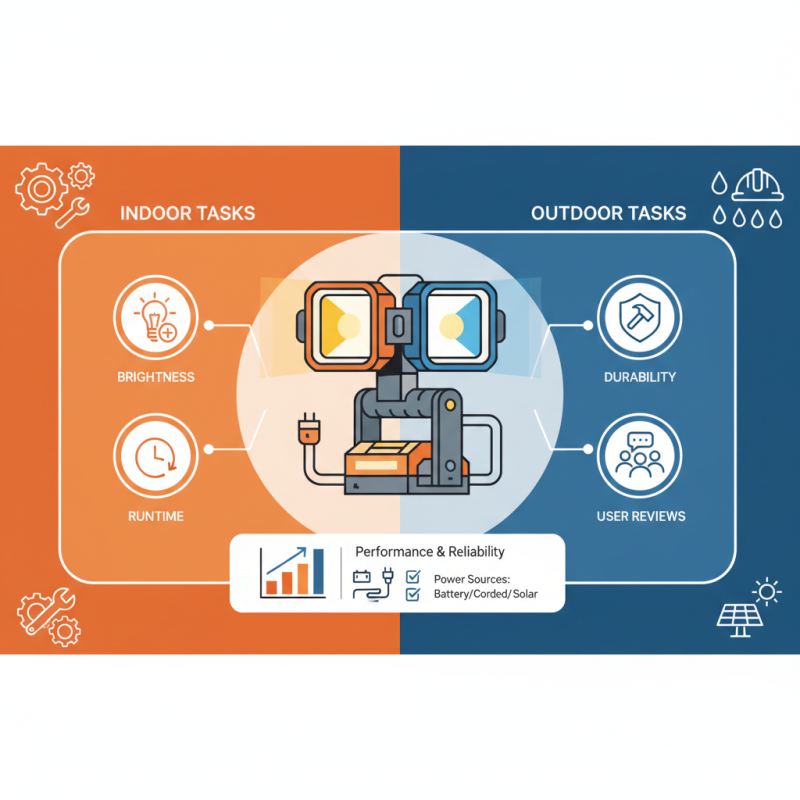
Choosing the right lighting solution for your work environment can be challenging. A reliable Dual-Source Work Light is essential for both indoor and outdoor tasks. These lights offer flexibility, combining power sources to ensure lighting availability in various conditions.
When selecting a Dual-Source Work Light, consider factors like brightness, runtime, and durability. How bright do you need your workspace? Some lights are more energy-efficient but may lack sufficient luminosity. Durability is crucial too. A weak light can fail when you need it the most.
It's important to reflect on user reviews and testimonials. They provide insight into performance and reliability. Many lights may look the same but fail under pressure. Choose wisely, and ensure your workspace remains illuminated and safe.
Understanding Dual-Source Work Lights: An Overview of Features and Functions
When choosing a dual-source work light, understanding its features is crucial. Dual-source work lights combine both LED and traditional light sources. This versatility allows for enhanced illumination in various settings.
Brightness and battery life are essential considerations. Look for lights with adjustable brightness settings. This flexibility can help adapt to different tasks. A model with a long battery life will keep you working longer without interruptions. Pay attention to the weight and portability as well. A lightweight design can make a significant difference when moving between work sites.
Tips: Always check the durability of the work light. An impactful light with a tough exterior can withstand harsh conditions. Moreover, consider models with water and dust resistance. These features ensure reliability in challenging environments, reducing the risk of malfunction. Assess your specific needs to find the best fit. A reliable light source can greatly enhance productivity.
Key Factors in Selecting the Right Power Source for Work Lights
When choosing a dual-source work light, the power source is crucial. You need to consider whether you'll use batteries, AC power, or both. Battery-powered lights offer portability, which is great for outdoor or remote work. However, their lifespan is limited. Depending on the intensity, they might not last as long as needed. You often need spares on hand.
On the other hand, AC-powered lights provide consistent brightness. They are perfect for prolonged tasks in a fixed location. Yet, they may lack portability, limiting your workspace. Dual-source lights combine both types. This versatility can address various situations. Although, understanding your specific lighting needs is vital.
Consider the duration and intensity of usage. Will you work in large, open spaces or tight spots? It’s key to align the light’s features with your work requirements. Also, don’t overlook the weight and durability. A sturdy, lightweight light is beneficial for frequent relocations. Reflect on your work style, environment, and needs before making a decision.
Comparative Analysis of LED vs Halogen Dual-Source Work Lights
When choosing between LED and halogen dual-source work lights, several factors come into play. The illumination quality is critical. LED lights offer a bright, clear light and often last longer than halogen counterparts. A report from the U.S. Department of Energy states that LEDs can last up to 25,000 hours, while halogen bulbs typically last around 2,000 hours. This longevity can reduce maintenance costs and replacement frequency.
However, the initial cost of LED lights tends to be higher. For example, a comparative price analysis reveals that 60-80% of consumers find halogen lights more budget-friendly upfront. Still, the energy efficiency of LEDs greatly offsets this initial investment. LEDs consume about 75% less energy than halogens, resulting in lower electricity bills over time. This efficiency can be particularly valuable in industrial settings where work lights are frequently used.
Despite these advantages, not everyone prefers LEDs. Some users report a harshness in LED light, making prolonged exposure uncomfortable. Halogen lights, with their warm glow, can create a more inviting atmosphere. In terms of applications, choosing the right type often involves weighing comfort against performance. Proper evaluation of both types can lead to a more satisfying choice, even if it requires revisiting preferences and usage scenarios.
2026 Comparative Analysis of LED vs Halogen Dual-Source Work Lights
Assessing Lumens and Color Temperature for Optimal Performance
Choosing the right dual-source work light involves careful consideration of lumens and color temperature. Lumens indicate brightness, while color temperature affects how well we see colors and details. The right balance is crucial for effective lighting in various tasks.
High lumens provide intense brightness, useful for large spaces or outdoor work. However, too much brightness can cause glare and eye strain. A moderate level often works best. Consider the space you’re dealing with. A garage may need different lumens than a reading area. It’s important to assess the environment and task requirements for optimal performance.
Color temperature is another vital element. Warmer light (around 2700K) creates a cozy feel, while cooler light (5000K and above) is better for detailed work. You might think you prefer one over the other, but experimenting can yield unexpected results. Sometimes, a mix of both leads to the best outcome. The challenge lies in finding what truly suits your needs. Pay attention to how different lights affect your mood and productivity.
Evaluating Durability and Portability in Work Light Selection
When selecting a dual-source work light, durability and portability are key factors to consider. A robust work light should withstand impacts and environmental stresses. Reports indicate that around 30% of work lights fail due to poor build quality. Choosing materials like aluminum or high-grade plastics can greatly enhance the longevity of your light source.
Portability matters, especially for those on-the-go. Lightweight options allow for easier transport and can fit into tight spaces. Some designs, weighing as little as 1.5 pounds, provide convenience without sacrificing power. Be aware that while compact lights are easy to carry, they may lack in brightness or battery life.
Tips: Evaluate the build materials when assessing durability. Look for certifications like IP ratings to ensure water and dust resistance. For portability, consider foldable options or those with integrated handles. Test the weight and ease of movement before purchasing.
Understanding vulnerabilities in functionality is essential. A light that is too delicate may break after a few drops. Additionally, overestimating battery lifespan could leave you in the dark unexpectedly. Aim for a balance between portability and durability to enhance your overall work experience.