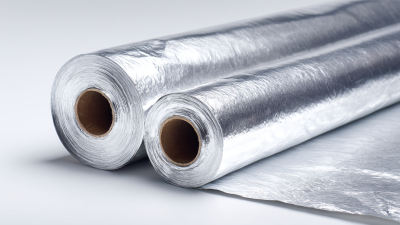
Why Choose Industrial Aluminum Foil Rolls for Your Business Needs?
In the competitive landscape of manufacturing and packaging, choosing the right materials can significantly impact productivity. Industrial aluminum foil rolls have emerged as a favored choice for many businesses. These rolls offer versatility and durability, making them suitable for various applications.
The use of industrial aluminum foil rolls is gaining traction due to their exceptional properties. They are lightweight, yet strong, providing excellent barrier protection. This makes them ideal for food packaging and insulation. Many industries rely on these rolls for their cost-effectiveness and efficiency. However, selecting the right type requires careful consideration.
While the advantages are clear, challenges remain. Not all aluminum foils are created equal; some may not meet specific industry standards. Businesses must evaluate their needs and carefully source products. Investing time in understanding these materials can lead to better choices and improved outcomes. Ultimately, industrial aluminum foil rolls can be a game-changer for those who choose wisely.
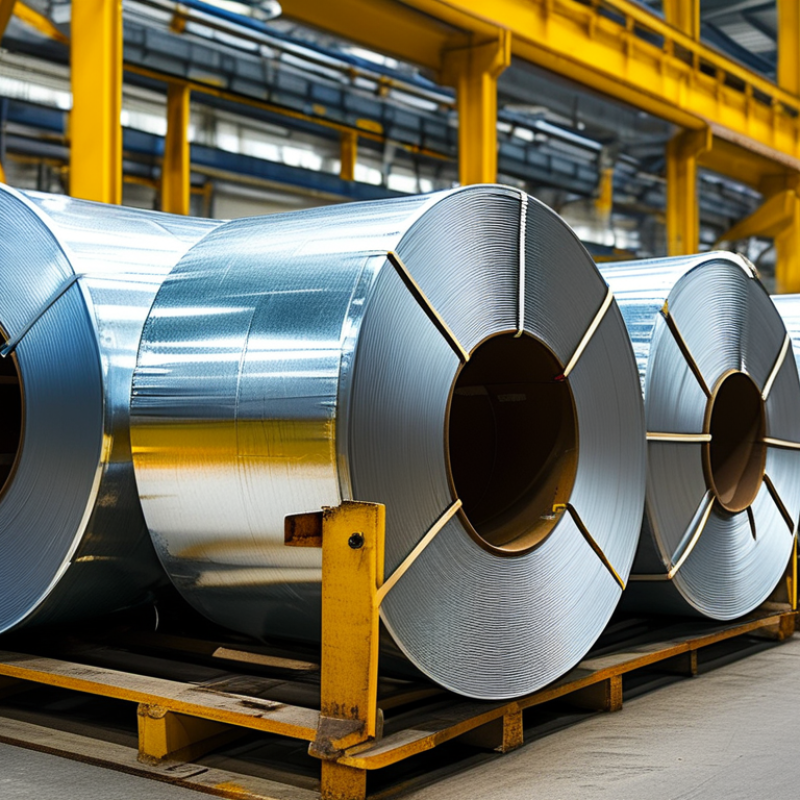
Benefits of Using Industrial Aluminum Foil Rolls in Various Industries
Industrial aluminum foil rolls offer numerous advantages across various sectors. Their lightweight yet durable nature makes them an ideal choice for packaging and insulation. Businesses involved in food service benefit significantly from aluminum foil's ability to preserve freshness and flavor. Its barrier properties prevent oxidation, extending shelf life and reducing waste.
In addition to food applications, aluminum foil plays a crucial role in the construction industry. It is often used for thermal insulation and vapor barriers. This enhances energy efficiency in buildings, potentially lowering heating and cooling costs. However, companies must ensure proper installation to maximize these benefits. Misapplication could lead to reduced effectiveness, which may frustrate stakeholders.
The automotive and manufacturing sectors also utilize industrial aluminum foil rolls. They serve as insulators in vehicle components, enhancing safety and comfort. Yet, the thickness and quality of the foil can vary. It’s essential for businesses to evaluate their needs carefully. Relying solely on cost without considering performance may lead to subpar outcomes. This reflection emphasizes the importance of making informed decisions based on specific industry requirements.
Key Characteristics of Industrial Aluminum Foil Rolls
Industrial aluminum foil rolls offer several key characteristics that make them ideal for various business needs. One prominent feature is their exceptional durability. These foils withstand extreme temperatures and resist moisture, making them suitable for packaging food and other sensitive products. Their lightweight nature allows for easy handling and transportation, enhancing operational efficiency in industrial settings.
Another important characteristic is their versatility. Industrial aluminum foil rolls can be easily customized in terms of thickness and width. This adaptability allows businesses to use them for insulation, heat shielding, or as protective barriers. Companies find these foils particularly useful in sectors like construction, automotive, and food service.
Moreover, while aluminum foil is generally reliable, it has its limitations. For instance, high humidity can affect its performance if not properly managed. Businesses should consider this when planning their use of aluminum foil rolls. Ensuring the right conditions can help maintain the integrity of the material.
Benefits of Industrial Aluminum Foil Rolls for Business Needs
Comparative Analysis: Aluminum Foil vs. Other Packaging Materials
When comparing aluminum foil with other packaging materials, several key factors emerge. Aluminum foil is lightweight yet strong. This balance allows it to protect contents effectively. In contrast, plastic wraps may tear easily, compromising food safety. Paper wraps offer less barrier protection against moisture and light. Aluminum’s malleability enables it to conform closely to the product. This tight seal guards against contamination.
Another important consideration is sustainability. Aluminum is recyclable and can be reused multiple times. Many businesses are focusing on eco-friendly solutions. Unlike single-use plastics, aluminum foil contributes to a circular economy. This makes it an appealing choice for environmentally conscious companies. Some may find the initial cost of aluminum higher than alternatives. However, the long-term benefits often outweigh this expense.
Durability is another strong suit of aluminum. It withstands extreme temperatures during cooking and freezing. Other materials may warp or degrade, affecting the quality of the food inside. While aluminum does require proper handling, its benefits in preservation and safety cannot be ignored. Many businesses should revisit their packaging strategies to include aluminum foil rolls as a viable option.
Applications of Industrial Aluminum Foil Rolls in Business Settings
Industrial aluminum foil rolls find extensive applications in various business settings due to their versatility and efficiency. In food packaging, these rolls provide excellent barrier properties, preserving freshness and preventing spoilage. Restaurants and catering services often rely on aluminum foil for wrapping food items or lining trays. This choice reduces waste and showcases professionalism in presentation.
In the manufacturing sector, aluminum foil rolls are crucial for insulation and protection. Companies use them for thermal insulation in HVAC systems. They help maintain energy efficiency and reduce costs. In medical settings, aluminum foil serves as a reliable barrier for sterile packaging. This ensures that medical supplies remain uncontaminated before use.
While aluminum foil is beneficial, its environmental impact cannot be overlooked. Recycling programs can mitigate some negative effects. Businesses must take responsibility for proper disposal methods. Striking a balance between utility and sustainability is essential for long-term success. Adopting best practices in usage and recycling can elevate a company’s corporate responsibility.
Cost-Effectiveness of Industrial Aluminum Foil Rolls for Businesses
Industrial aluminum foil rolls have become increasingly popular among businesses looking to enhance their operational efficiency while reducing costs. According to industry reports, aluminum foil is lightweight yet durable, making it ideal for packaging and insulation. Its versatility allows businesses to adapt it to various applications, from food packaging to thermal insulation, which can lead to significant savings in material costs.
Cost-effectiveness is a critical factor for businesses across sectors. A recent study revealed that using aluminum foil in packaging can reduce spoilage by up to 30%. This means less waste and more savings in the long run. Additionally, the thermal efficiency of aluminum foil can lower energy consumption in shipping and storage, translating to further financial benefits. By investing in industrial aluminum foil rolls, companies can optimize their resources and improve their bottom line.
Moreover, the recyclability of aluminum is another benefit. Recycled aluminum uses 95% less energy than producing new aluminum. Businesses engaging in sustainable practices not only contribute to environmental goals but also save costs in material procurement. However, some companies may overlook the advantages of switching to aluminum foil, often due to misconceptions about pricing. A deeper understanding of its long-term benefits can reshape budget strategies effectively.
Why Choose Industrial Aluminum Foil Rolls for Your Business Needs? - Cost-Effectiveness of Industrial Aluminum Foil Rolls for Businesses
| Item Type |
Roll Width (inches) |
Roll Length (feet) |
Thickness (microns) |
Price per Roll ($) |
Applications |
| Standard Foil |
12 |
500 |
20 |
25 |
Packaging, Cooking |
| Heavy-Duty Foil |
18 |
600 |
30 |
35 |
Grilling, Baking |
| Micron Foil |
24 |
400 |
15 |
45 |
Heat Sealing, Insulation |
| Food Service Foil |
14 |
450 |
22 |
30 |
Food Wrapping, Storage |