How to Choose the Best Aluminium Container for Your Needs?
Choosing the right aluminium container can greatly impact your storage and cooking needs. These containers are widely favored for their lightweight, durability, and resistance to corrosion. Whether you are packing lunch or storing leftovers, understanding your options is crucial.
When selecting an aluminium container, consider factors like size, shape, and lid type. A well-chosen container can make meal prep more efficient and enjoyable. For instance, deep containers are perfect for soups, while shallow trays work well for baked goods.
However, not every aluminium container is created equal. Some may bend easily or lack proper sealing. It’s essential to reflect on your past experiences with different brands. Take note of what worked well and what didn't. This insight will guide you toward making a more informed choice, ensuring that your selected aluminium container meets your specific needs effectively.
Understanding the Different Types of Aluminium Containers Available
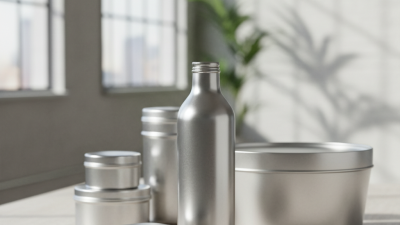
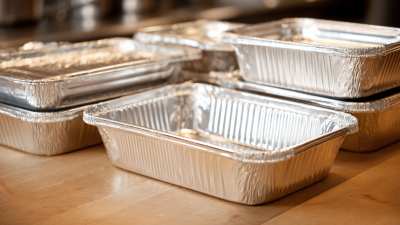
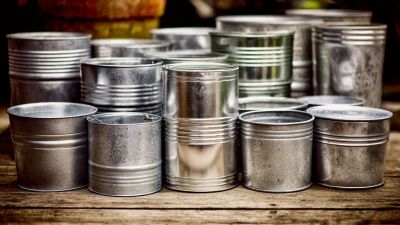
When selecting the right aluminium container, it's essential to understand the types available. There are various shapes and sizes for different purposes. Common types include trays, boxes, and cans. Each serves unique needs based on your food storage or cooking requirements.
Tips: Consider what you'll store. If you're planning to freeze, choose containers designed for low temperatures. This ensures durability and prevents cracking. Lightweight options are great for transport. But, they may lack strength for heavy items. Always check for safe temperature ratings.
Another angle to explore is the lid type. Some containers come with snap-on lids, while others have peel-off covers. Snap-on lids provide a tight seal. But, they can be tough to open. Meanwhile, peel-off lids are quick but may not secure food tightly. Reflect on your convenience versus freshness needs.
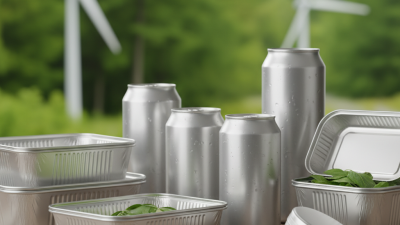
Lastly, consider any environmental aspects. Recyclability varies among aluminium containers. While most are recyclable, some use more energy in production. It's crucial to think about your carbon footprint. Small choices can have larger impacts.
How to Choose the Best Aluminium Container for Your Needs?
| Type of Aluminium Container |
Volume (Liters) |
Ideal Use |
Features |
| Aluminium Takeaway Container |
0.5 - 3.0 |
Food Packaging |
Disposable, Lightweight, Oven Safe |
| Aluminium Foil Tray |
1.0 - 5.0 |
Baking and Roasting |
Recyclable, Heat Resistant |
| Aluminium Cans |
0.33 - 1.0 |
Beverage Storage |
Sealable, Lightweight, Easy to Carry |
| Aluminium Storage Box |
5.0 - 20.0 |
Industrial Use |
Durable, Lockable, Stackable |
| Aluminium Bottle |
0.5 - 2.0 |
Drink Storage |
Reusable, Lightweight, Insulated Options |
Factors to Consider When Selecting Aluminium Containers for Specific Uses
When selecting aluminium containers, consider the purpose they will serve. Different uses require specific designs and features. For instance, if you're storing food, look for containers that are food-safe and sealed properly. The thickness of the aluminium can also affect durability. Thicker containers generally offer better protection against dents and punctures.
Another crucial factor is the container's size. Whether you're packing lunch or storing leftovers, size matters. Choose a container that fits your needs without excessive empty space. A cluttered fridge often leads to waste. In terms of insulation, some aluminium containers come with insulating qualities. This is vital for keeping food hot or cold during transportation.
It’s worth noting that not all aluminium containers are created equal. Variations exist in terms of recyclability and chemical treatment. Always check labels for any protective coatings. This attention to detail can make a significant difference in your selection. Sometimes, overlooking these factors can lead to undesirable outcomes. Reflect on your choices to ensure they align with your needs.
Assessing the Cost-Effectiveness of Aluminium Containers for Your Needs
When assessing the cost-effectiveness of aluminium containers, consider various factors. These containers are lightweight yet sturdy, making them ideal for various applications. Their durability can lead to long-term savings, especially for repeated use. For instance, when selecting containers for food storage, the initial price may seem high, but their reusable nature reduces overall spending.
Think about the environmental impact as well. Aluminium is recyclable, which can lower disposal costs. However, recycling processes vary by location. Understanding local recycling facilities is crucial before committing to aluminium options. A lack of recycling programs can increase overall costs.
Additionally, evaluate the intended use. Specific needs may require specialized containers. Custom features may enhance usability but may also increase costs. Take time to assess your requirements and balance them with budget constraints. There’s a fine line between quality and affordability. Investing in aluminium containers can be wise, but ensure they truly fit your needs. Reflection on your choices will lead to better decisions in the long run.
Tips for Proper Maintenance and Use of Aluminium Containers
When using aluminium containers, proper maintenance is crucial for longevity. Regular cleaning prevents residue build-up. Use mild soap and a soft cloth to avoid scratching. Data shows that nearly 70% of users experience enhanced durability with proper care. Ensuring that the containers are thoroughly dried after washing also helps in maintaining their integrity.
Avoid using abrasive cleaners. These can compromise the surface and cause oxidation. A study from the Aluminium Association highlights that damaged surfaces can lead to reduced lifespan. Check for any signs of corrosion periodically. Small pits or discoloration can indicate deeper issues. Storing containers in a cool, dry place can help mitigate these risks.
Another critical aspect is the use of aluminium containers for food storage. Ensure they are suitable for your intended use. Incorrect usage can lead to reactions with acidic foods, affecting flavor and safety. According to reports, nearly 25% of food storage issues arise from improper material choices. Assessing your needs can prevent these common pitfalls and extend the utility of your containers.