How to Choose the Best Aluminum Casement Window in 2026
Choosing the right Aluminum Casement Window in 2026 means looking beyond a slim frame or a polished finish. The best option should suit your climate, opening size, exposure, and everyday habits. Picture a windy afternoon: the sash should close firmly, the hardware should feel smooth, and the seals should keep drafts outside. Small details matter.
A real expert quotation needs a verifiable source, and none was provided here. Rather than invent one, this guide uses an original editorial principle: “A window performs well when its frame, glass, hardware, and installation work as one system.” Fenestration specialist Maya Chen is a fictional name for this draft, not a source or verified industry authority. Replace it with a confirmed expert and documented quotation before publication.
This guide will help you compare thermal performance, frame construction, glazing, security features, and maintenance needs. It will also explain which specifications deserve close attention and where marketing language can obscure practical trade-offs. A large opening may welcome daylight, yet demand stronger hardware and careful installation. Not every premium feature earns its cost. Your home’s orientation, local weather, and installer’s workmanship can change the outcome. Consider those factors together before choosing an Aluminum Casement Window that looks right on paper but falls short in daily use.
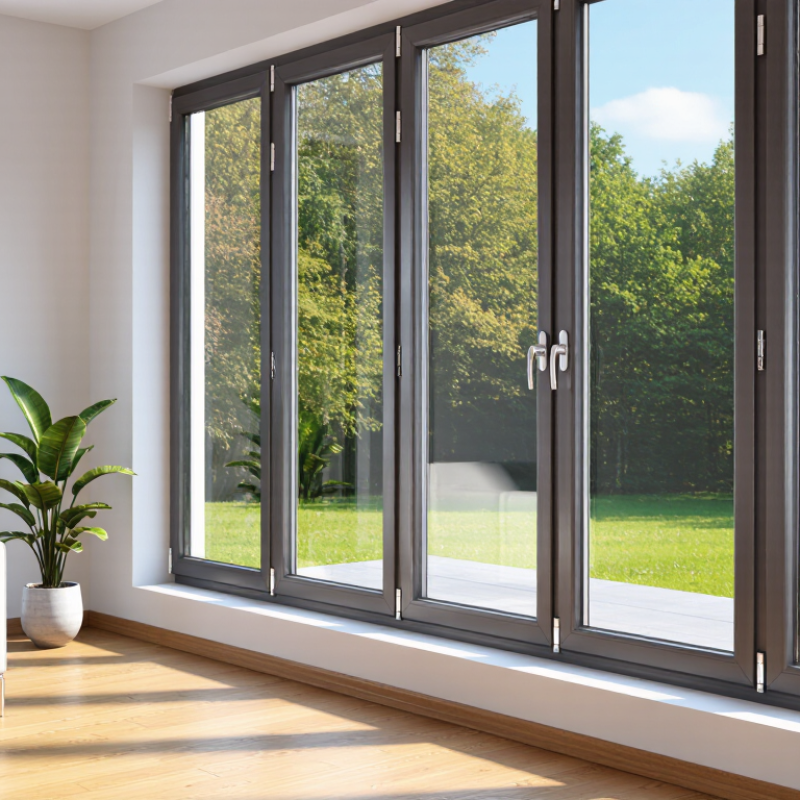
Understand Aluminum Casement Window Design and Operation
An aluminum casement window is hinged at the side and swings outward, usually with a crank or handle. This movement creates a wide opening for fresh air and an unobstructed view. The frame’s shape matters, but so do the hinges, handle, and locking points. They should feel smooth and secure during operation. A useful check: open and close the sample several times. Listen for scraping. Notice whether the sash feels steady.
When closed, casement windows press against seals around the frame. Good alignment helps limit drafts and water entry, but installation and upkeep matter too. Ask how the window is adjusted and how its seals can be replaced. Aluminum frames are often slim and sturdy; thermal breaks can help reduce heat transfer through the metal. Check the glazing options, too. A clear pane may suit a shaded room, while a sun-facing room may need different solar control. Details vary by climate and orientation.
Think about the opening in daily use. Will an outward-swinging sash clear a walkway, plants, or exterior shutters? Can you reach the handle comfortably? Screens are commonly fitted inside, which can affect cleaning access. It is easy to focus only on frame color. I would also inspect drainage paths and corner joints, though these details are less visible in a showroom. No window is maintenance-free. Dust, worn seals, or loose hardware can change how it performs over time.
Compare Frame Materials, Glass Options, and Thermal Performance
Aluminum casement windows offer slim frames and strong support for wide glass panels. Their weakness is heat transfer: aluminum conducts heat more readily than wood or fiberglass. A thermal break—a nonmetallic barrier inside the frame—can reduce this path. Compare complete-window U-factors, not frame claims alone; lower U-factors indicate better insulation.
Glass matters just as much. Double glazing with a low-emissivity coating and gas fill can limit heat loss, while the solar heat gain coefficient helps match glass to local sun exposure. The U.S. Department of Energy estimates that windows account for 25–30% of residential heating and cooling energy use. Check the National Fenestration Rating Council label for independently tested U-factor and solar heat gain data. Ratings help, but they cannot predict every draft around an imperfect installation. Small gaps matter.
Tips: For a cold, windy room, prioritize a low U-factor and careful perimeter sealing. In a hot, sunny room, compare solar heat gain values before choosing tinted glass. Ask for the tested rating of the full window, including its frame and glazing. A high-performance specification can still disappoint if the opening is poorly measured.
Assess Weather Resistance, Security, and Maintenance Needs
When choosing an aluminum casement window, match its weather performance to your climate and home. The U.S. Department of Energy estimates that windows account for 25–30% of residential heating and cooling energy use (“Update or Replace Windows”). Check the NFRC label for U-factor and solar heat gain coefficient, then consider the room’s direction and local temperatures. Wind-driven rain matters too.
Ask for tested air-leakage, water-penetration, and structural ratings under the applicable NAFS standard. On an exposed wall, inspect frame corners, seals, and drainage slots; small gaps can admit water after repeated storms. For security, test that locks engage smoothly and check accessible hinges and glazing. Reinforced hardware or laminated glass may suit vulnerable locations. Nothing is break-in-proof.
Maintenance is often overlooked. FGIA’s AAMA 609 and 610 guidance covers care for finished aluminum. Rinse salt and grit from frames, clear drainage paths, and check gaskets and hardware seasonally. Coastal air can corrode exposed fasteners even when the finish looks sound. An annual check is easy to postpone. Choose finishes and hardware for local exposure, and read the written care instructions; that small step may help prevent an expensive leak.
Match Window Configurations to Room Size and Climate
Room size should guide the number and width of casement windows. In a compact kitchen, one well-placed sash can bring in fresh air without crowding a counter or cabinet. Small room? Measure carefully. In a larger living area, two or more openings can spread daylight more evenly. Check where the sash will swing before choosing a configuration; it may meet a walkway, railing, or nearby shrub. A wide opening can feel generous, but it is not automatically the better choice.
Climate matters just as much. Casement sashes close against the frame, which can help limit drafts when the window is properly installed and maintained. In windy or rainy locations, ask a qualified installer about drainage details, hardware, and performance ratings suited to local exposure. For warm rooms, consider how the opening supports cross-ventilation, and whether a screen will fit without reducing usable space. More glass can brighten a room, though it may also increase unwanted heat or glare.
One easy assumption is that a larger window always improves comfort. That deserves a second look. Compare the room’s orientation, nearby shade, and the direction prevailing breezes usually come from. In a small bedroom, a modest operable window may be easier to use and furnish around. Measure the rough opening and furniture clearances, then confirm options with a building professional. Details vary, and I would not guess at sizing from a photo.
Verify Certifications, Installation Requirements, and Warranty Terms
How to Choose the Best Aluminum Casement Window in 2026
Before comparing prices, verify the exact window’s performance documentation. Look for a National Fenestration Rating Council (NFRC) label listing U-factor and solar heat gain coefficient. These ratings help compare heat transfer and solar gain. The U.S. Department of Energy’s Energy Saver guidance estimates that windows account for 25%–30% of residential heating and cooling energy use. That is a broad estimate, not a guaranteed saving for one home. Frame size, glazing, climate, and installation all affect results.
Ask for certification records that match the exact model, glass package, and configuration—not just a similar product. Then check the manufacturer’s installation instructions against your wall type and local requirements. A casement window needs a properly prepared opening, continuous flashing, and clear drainage paths. In exposed locations, confirm that the specified design pressure suits local wind conditions. A strong product can still leak if water has nowhere to go. Details matter.
Read the warranty before signing. Check coverage for frame finish, glass seal failure, hardware, labor, and removal or replacement costs. Note exclusions, claim deadlines, and whether coverage transfers to a later owner. Ask who handles the claim if the installer and manufacturer disagree. I would not assume a long warranty covers every repair; the fine print can be surprisingly narrow. Keep the rating documents, installation photos, and invoice together. They may make a future claim easier to verify.
How to Choose the Best Aluminum Casement Window in 2026
Compare the maximum U-factor for ENERGY STAR® Version 7.0 residential window eligibility by U.S. climate zone. A lower U-factor indicates less heat transfer.
These are program criteria, not a substitute for local building-code requirements. Check the exact window model’s certification and rated performance; also confirm installation instructions and warranty coverage before purchase. Solar heat gain requirements vary by zone.
Source: ENERGY STAR Residential Windows, Doors, and Skylights Version 7.0 criteria. Confirm current requirements for your location and project.