How to Choose the Best Aluminum Die Casting Mold for Your Needs?
Choosing the right Aluminum Die Casting Mold is crucial for manufacturers aiming for efficiency and quality. According to a report by Allied Market Research, the global aluminum die casting market is projected to reach $32.1 billion by 2026, reflecting a compound annual growth rate (CAGR) of 6.6%. Picking the best mold directly impacts production costs, part accuracy, and overall output.
Understanding mold specifications, such as material selection and design complexity, greatly influences the final product. A well-designed Aluminum Die Casting Mold not only enhances the casting process but also ensures durability and precision. However, many businesses overlook these factors, leading to operational inefficiencies and increased costs.
Reflecting on past decisions can provide valuable insights. It's vital to consider factors like mold lifecycle and maintenance needs. A more costly mold might save money in the long run, reducing waste and improving production speed. Manufacturers must weigh these considerations carefully to achieve optimal results in their casting projects.
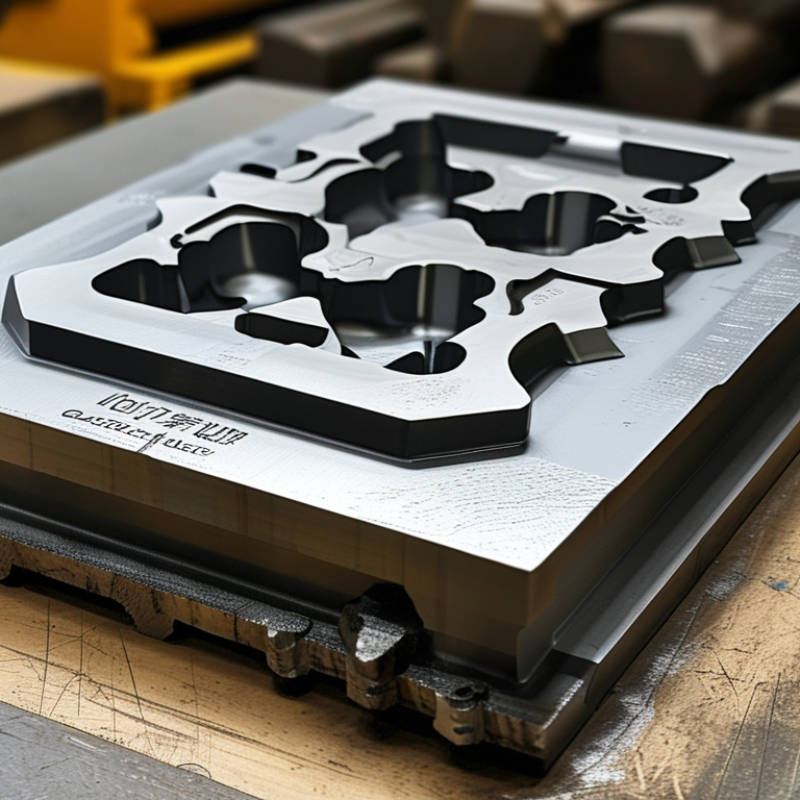
Understanding Aluminum Die Casting: An Overview
Aluminum die casting is an efficient method for manufacturing complex metal components. This process involves pouring molten aluminum into a mold, where it solidifies into the desired shape. It is favored for its precision and speed, making it suitable for high-volume production. The resulting products often feature enhanced strength and reduced weight, which are essential characteristics in various industries, from automotive to electronics.
When selecting a die casting mold, consider the complexity of your design. Intricate shapes may require more advanced molds, potentially increasing costs. It’s essential to evaluate your specific needs. For example, if you plan to produce thousands of parts, investing in a durable mold can prove beneficial.
Tips: Always consult with experienced professionals when choosing a mold. Their insights can save time and resources. Another aspect to ponder is your budget—quality molds are essential, but their cost can vary greatly. Be realistic about your production goals and choose accordingly. You might find that a less complex mold meets your needs at a lower cost, while still delivering quality products.
Key Factors to Consider When Selecting a Die Casting Mold
Choosing the right aluminum die casting mold is crucial. Various factors impact your decision. Understanding the casting process is essential. This knowledge helps in identifying your specific needs. Different applications demand different mold features.
Material type plays a significant role. Ensure the mold is compatible with the aluminum alloy used. Each alloy has unique characteristics that can influence mold design. Precision is critical; even a slight miscalculation can lead to defects. Evaluate the mold's quality to avoid costly errors.
Design complexity is another factor. Intricate designs may require more complex molds. This could increase manufacturing time and costs. Consider the overall lifecycle of the mold as well. Molds degrade over time, affecting efficiency. Regular maintenance can extend their usability but may not always be feasible. Reflect on your production needs and weigh the trade-offs before deciding.
The Importance of Material Selection in Mold Making
Material selection is crucial in the mold-making process. Aluminum die casting molds require careful consideration of materials. Different alloys exhibit varying properties, impacting the mold’s durability and precision. According to industry reports, using high-quality aluminum can enhance the lifespan of the mold by up to 30%.
Heat resistance is another vital factor. Molds endure extreme temperatures during the casting process. Selecting the right grade of aluminum, such as 380 or 383 alloys, can significantly improve thermal conductivity. This leads to faster cooling times and better part quality, essential for high-volume production. Data indicates that efficient cooling can reduce cycle time by up to 15%.
However, not every project benefits from the same material. Availability and cost may dictate choices. Budget constraints can lead to compromises that affect mold performance. Understanding these trade-offs is essential for achieving the best outcome. A wise selection process includes evaluating both technical specifications and practical limitations to ensure mold effectiveness.
Evaluating Mold Design for Optimal Performance
Choosing the right mold design is crucial for optimal performance in aluminum die casting. A well-designed mold can significantly affect production efficiency and product quality. According to industry reports, approximately 30% of production issues stem from poor mold design. This highlights the importance of evaluating mold details meticulously.
Consider aspects like cooling channels, vent placements, and parting lines. Proper cooling channels reduce cycle times by up to 25%. Insufficient vent placements can lead to defects, decreasing yield rates. Industry data shows a direct correlation between vent design and defect rates, with poorly vented molds experiencing up to a 15% higher defect incidence.
Mold materials also play a critical role. High-quality alloy steels are recommended for durability and thermal stability. However, using premium materials increases costs, which may not always be justifiable for less demanding applications. Balancing cost and performance requires careful reflection on your specific needs. Remember that even minor design adjustments can yield significant impacts on casting outcomes.
Cost Considerations and Budgeting for Your Project
When budgeting for an aluminum die casting mold, several factors come into play. The cost of the mold itself typically ranges from $1,000 to $100,000, depending on complexity. A recent industry report from the Aluminum Industry Association indicates that the average expenditure for quality tooling is about $20,000. This is a significant investment, but it directly impacts production quality and efficiency.
You also need to consider the hidden costs associated with mold preparation and maintenance. According to the American Foundry Society, maintenance can account for up to 5% of your overall project costs. If molds require frequent adjustments or replacements, your budget will stretch. In some instances, design flaws lead to unexpected expenses. This is an area where planning and experience can make a substantial difference.
Additionally, think about your production volume. High-volume runs may justify the upfront cost of a higher-quality mold. However, if you only require a small series, opting for a less expensive mold may be wiser. Evaluating your specific needs is essential, as it will determine your return on investment and overall project feasibility. Remember, making the right choice now can save you from costly adjustments later.
How to Choose the Best Aluminum Die Casting Mold for Your Needs? - Cost Considerations and Budgeting for Your Project
| Criteria | Description | Estimated Cost ($) | Lead Time (Weeks) |
| Material Quality | High-quality aluminum for durability and precision | 500 - 1,200 | 2 - 4 |
| Mold Complexity | Level of detail and intricacy in design | 1,000 - 3,000 | 3 - 6 |
| Production Volume | Number of parts to be produced | 200 - 500 per run | 1 - 2 |
| Finish Type | Surface treatments like anodizing or painting | 250 - 800 | 2 - 4 |
| Tooling Cost | Initial investment for mold fabrication | 5,000 - 15,000 | 4 - 8 |