How to Choose the Best Floor Drainer for Your Needs?
Choosing the right Floor Drainer is crucial for both functionality and aesthetics in any space. According to Mark Reynolds, a leading expert in drainage solutions, "An effective floor drainer can prevent water damage and enhance safety." His insights highlight that selecting the right product goes beyond just appearance; it's about performance too.
When considering a Floor Drainer, you must evaluate various factors. The size and design should complement your space while handling the expected water flow. Materials matter as well; stainless steel is popular for longevity, while plastic might offer flexibility. Many find themselves overwhelmed by choices, leading to hasty decisions. Each choice can influence maintenance and functionality.
Understanding your specific needs is essential. Are you installing it in a kitchen, bathroom, or outdoor area? Identifying these factors requires careful reflection. A Floor Drainer that works well in one environment may not suit another. Many users overlook this critical aspect, leading to unanticipated problems down the line. Remember, the right Floor Drainer can greatly enhance your space, while the wrong choice may cause ongoing issues.
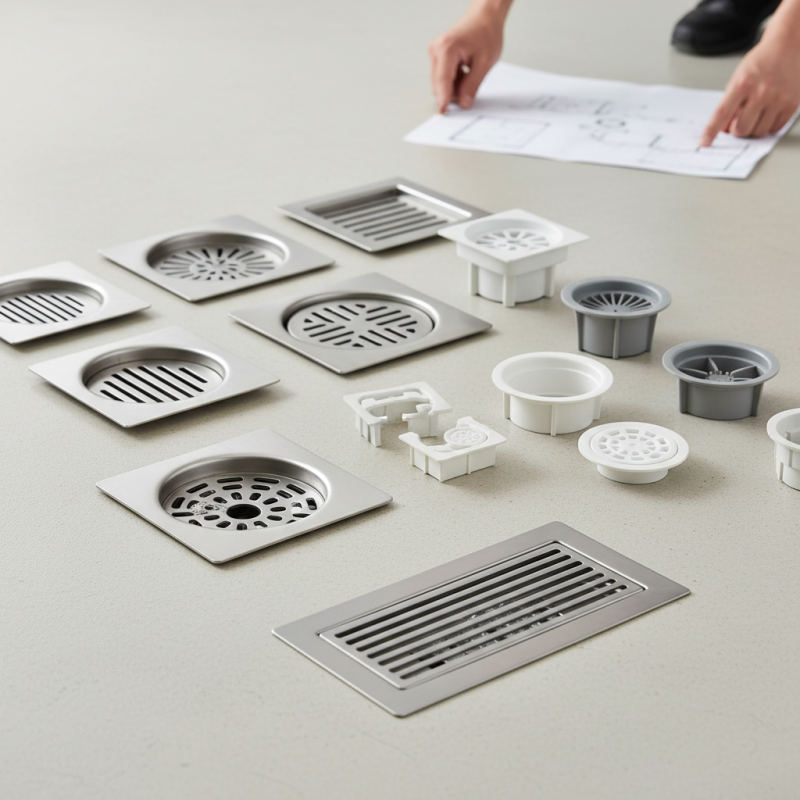
Understanding Different Types of Floor Drainers and Their Applications
When selecting a floor drainer, understanding the various types is crucial. There are several options available, each tailored for specific applications. For example, trench drains are common in commercial kitchens. They can handle high volumes of water and provide effective drainage. In contrast, point drains serve residential applications, often found in bathrooms or laundry rooms. Their design limits water accumulation, but may not be sufficient for larger settings.
Data from industry reports shows that improper drainage can lead to serious issues, including water damage. Up to 30% of construction defects relate to drainage failures. This highlights the importance of choosing the right floor drainer. Factors such as material, flow rate, and the environment will impact performance. Stainless steel drains, for instance, resist corrosion and are easier to clean. On the other hand, plastic models may work well in specific low-stress areas.
Identifying the right type involves more than just capacity. Installation complexity and maintenance frequency also matter. Some drain types require professional installation, which may increase costs. Regular maintenance is essential for longevity. Neglecting drainage systems can lead to blockages and health risks. It's a constant battle against buildup and clogs, and many overlook their drainer until issues arise. Understanding these variables allows for a more informed decision when selecting a floor drainer for your needs.
How to Choose the Best Floor Drainer for Your Needs? - Understanding Different Types of Floor Drainers and Their Applications
| Type of Floor Drainer | Material | Common Applications | Advantages | Disadvantages |
| Linear Drainer | Stainless Steel | Showers, Patios, Kitchens | Aesthetic, Efficient Water Flow | Higher Cost |
| Point Drainer | Plastic | Bathrooms, Basements | Affordable, Easy to Install | Less Durable |
| Trench Drainer | PVC | Commercial Areas, Driveways | High Capacity, Versatile | Bulkier Installation |
| Slot Drainer | Aluminum | Outdoor Spaces, Pool Areas | Elegant Design, Space Saving | May Clog with Debris |
Key Factors in Selecting Floor Drainers: Flow Rate and Material Choices
When selecting a floor drainer, two key factors play a critical role: flow rate and material choices. Understanding flow rate is essential. It determines how quickly water can be drained away, preventing pooling and potential damage. A high flow rate is beneficial in areas with heavy foot traffic or where large amounts of water are common.
The choice of materials adds another layer of complexity. Stainless steel is popular due to its durability and resistance to corrosion. However, plastics can be lighter and possibly less expensive. Each material has its pros and cons. Plastic might crack over time under heavy use. Stainless steel can be more expensive upfront but often lasts longer. It's vital to consider the environment where the drainer will be placed.
Sometimes, people overlook the need for proper size and design. A common mistake is choosing a drainer that doesn’t match the existing drainage system. Improper sizing can lead to leaks or backups. It's worth taking time to assess the area and specify requirements before making a final decision. Always reflect on these aspects to avoid future complications.
Choosing the Best Floor Drainer
This chart illustrates key factors in selecting floor drainers based on flow rate (in gallons per minute) and materials (Plastic, Stainless Steel, and Cast Iron). Understanding these criteria can help you make an informed decision for your drainage needs.
Analyzing Drainage Capacity: Importance of Sizing in Floor Drainers
Choosing the right floor drainer is crucial for efficient drainage. Sizing determines how well a floor drainer can handle water flow. Proper drainage capacity is essential, especially in commercial and industrial settings. A report from the American Society of Mechanical Engineers indicates that improper sizing can lead to clogged systems and costly repairs.
Most experts recommend sizing your floor drainer based on expected water flow rates. For instance, a typical shower may require a drainer handling at least 3 gallons per minute. However, areas like kitchens can see up to 10 gallons per minute. These figures show that understanding the specific needs of your space is vital.
Ignoring these details may cause drainage issues later. Many installations fail due to a lack of attention to flow rates. Inspecting your drainage capacity before making a choice is essential. Consider potential peak usage times, as they can guide your sizing decisions. A typical oversight is underestimating high-traffic scenarios during busy hours. Decisions made now affect system longevity.
Comparative Performance: Floor Drainers in Residential vs. Commercial Use
When it comes to choosing a floor drainer, the intended use significantly impacts the selection process. Residential environments typically require models designed for lower water volumes. These drainers often have a simpler design and can usually handle standard household tasks, like showers and laundry rooms. A functional yet stylish model might fit better in a home, focusing on aesthetics as well as function.
In contrast, commercial settings demand greater durability and efficiency. Restaurants, gyms, and warehouses face high water flow and different debris types. Floor drainers used here must withstand heavier loads and be easy to clean. Some commercial drainers feature advanced filtration systems to catch large materials. They need to be accessible for maintenance and often require stronger materials to resist wear and tear.
It’s essential to consider local building codes, especially in commercial applications. Some areas have specific regulations that all drainers must meet. This requirement can be overlooked, leading to installations that fall short. When in doubt, consulting with a specialist can save time and resources.
Understanding these differences and the unique needs of each environment ultimately leads to a more informed choice.
Maintenance and Longevity: Best Practices for Floor Drainer Care
Maintaining a floor drainer is essential for its longevity and efficient performance. Regular cleaning is vital. According to the National Association of Home Builders, improper maintenance can lead to clogs and unpleasant odors. Simple practices, like monthly inspections, can prevent major issues. Make sure to remove debris from grates and check for standing water.
Water and grime buildup can corrode drains over time. A study by the American Society of Plumbing Engineers shows that neglected drain systems can lose up to 30% of their lifespan. Utilizing a vinegar and baking soda solution can help dissolve buildup without harsh chemicals. Procedures like these are safe and environmentally friendly.
Recording maintenance activities is often overlooked. It can help track when the last clean-up occurred. Regular updates can inform you when to conduct further checks. Ignoring these records can result in stress later when emergencies arise. Reflecting on what could have been done better is crucial for optimal care.