How to Choose the Best Foil Wrap for Your Needs?
Choosing the right foil wrap for your needs can significantly impact your cooking and food storage. Renowned culinary expert Chef Maria Thompson once said, "The right foil wrap elevates your kitchen experience." With numerous options available, it can be daunting to know which foil wrap best suits your requirements.
Foil wraps come in various thicknesses and types, each catering to specific uses. For instance, heavy-duty foil wrap is ideal for grilling and baking, providing excellent heat retention. On the other hand, standard foil is versatile for everyday tasks, such as wrapping leftovers. Understanding these differences is crucial for maximizing the effectiveness of your foil wrap.
However, not all foil wraps perform equally. Some options may stick to food or tear easily, leading to frustration. As you explore different brands, it’s essential to consider reviews and user experiences to avoid common pitfalls. The right choice will not only enhance the cooking process but also help maintain food quality over time. Reflecting on your needs will guide you in making a more informed decision.
Understanding Different Types of Foil Wrap Available in the Market
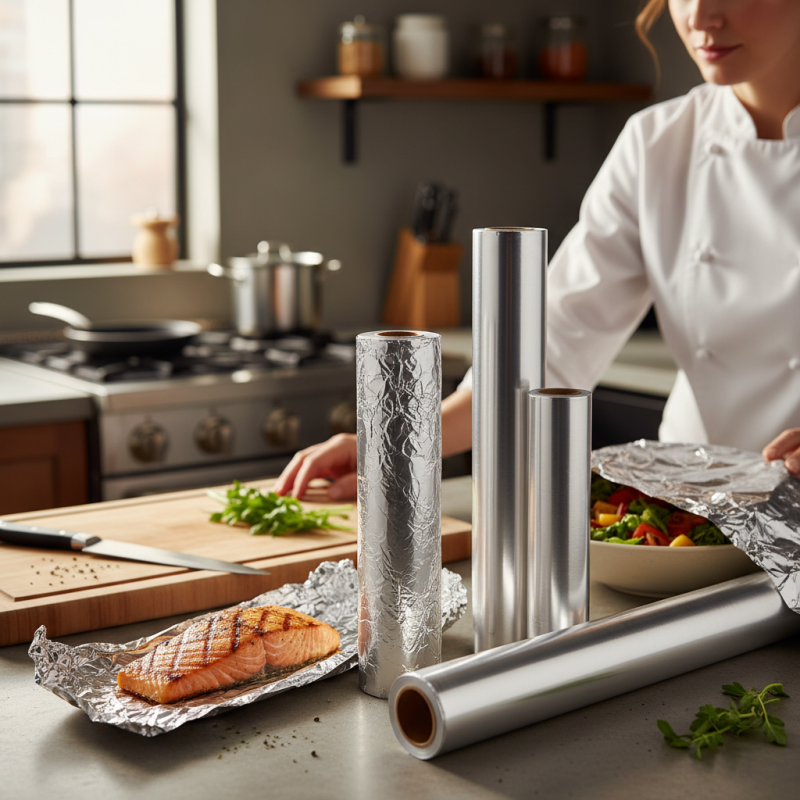
When it comes to foil wraps, understanding the different types available is crucial. Aluminum foil is a common choice, known for its heat resistance and durability. It reflects heat well, making it ideal for baking. However, it can tear easily if mishandled. Heavy-duty foil offers more strength and can withstand tougher conditions. It is perfect for grilling or wrapping large cuts of meat. Yet, it’s thicker, which may not suit all wrapping needs.
Another option is plastic wrap, which is not a foil product but often used alongside it. This wrap clings tightly to surfaces and is excellent for preserving freshness. However, it’s not suitable for oven use. Lastly, eco-friendly wraps have gained popularity. Made from natural materials, they are reusable and biodegradable. Yet, their effectiveness can vary widely, and they might not offer the same level of protection as traditional foil. Each type has its pros and cons. Evaluating these can lead to better choices for your specific cooking or storage requirements.
Evaluating the Thickness and Strength of Foil Wrap for Your Needs
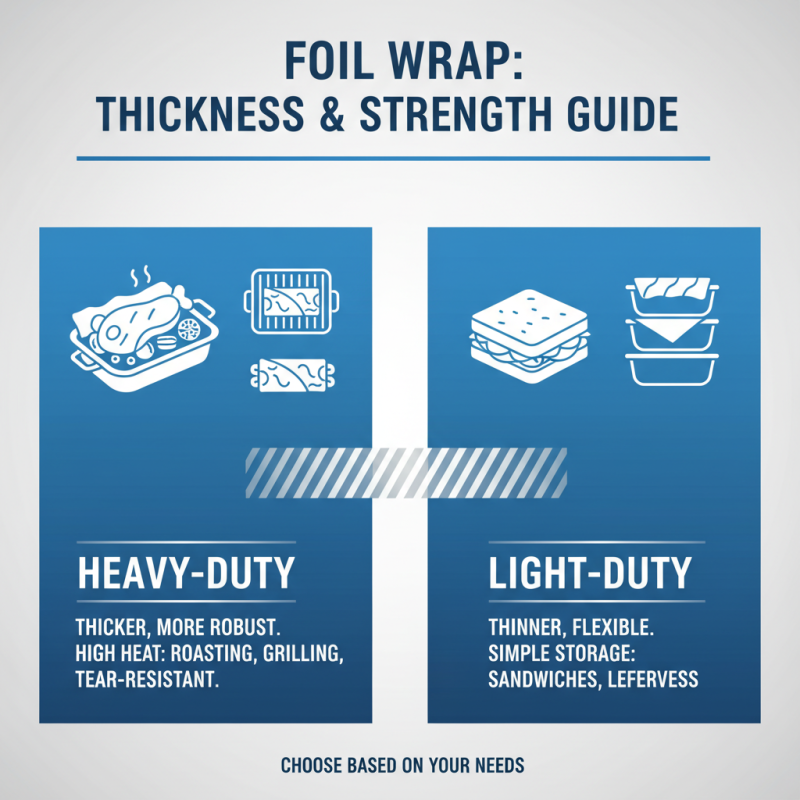
When evaluating foil wrap, thickness and strength are crucial. Thicker foil is generally more robust. It can handle high heat better. This makes it ideal for roasting and grilling. High-strength foil also resists tearing. In contrast, thinner options may be more suitable for simple storage. If you're wrapping sandwiches or leftovers, a lightweight foil could suffice.
Consider your specific needs. If you cook frequently, investing in thicker foil could save you time and hassle. However, if you mainly use foil for covering dishes, lighter options might be appropriate. Think about the specific tasks involved. While lightweight foil can be easier to handle, it may not protect as well against moisture and air.
Strength and thickness also relate to how you plan to use the foil. If you enjoy baking, consider a sturdier choice. A strong foil can withstand the heat without compromising your dish. On the other hand, if you're in a rush, lightweight foil may be tempting. Reflect on whether shortcuts will affect your food quality.
Exploring Eco-Friendly Options for Foil Wrap Materials
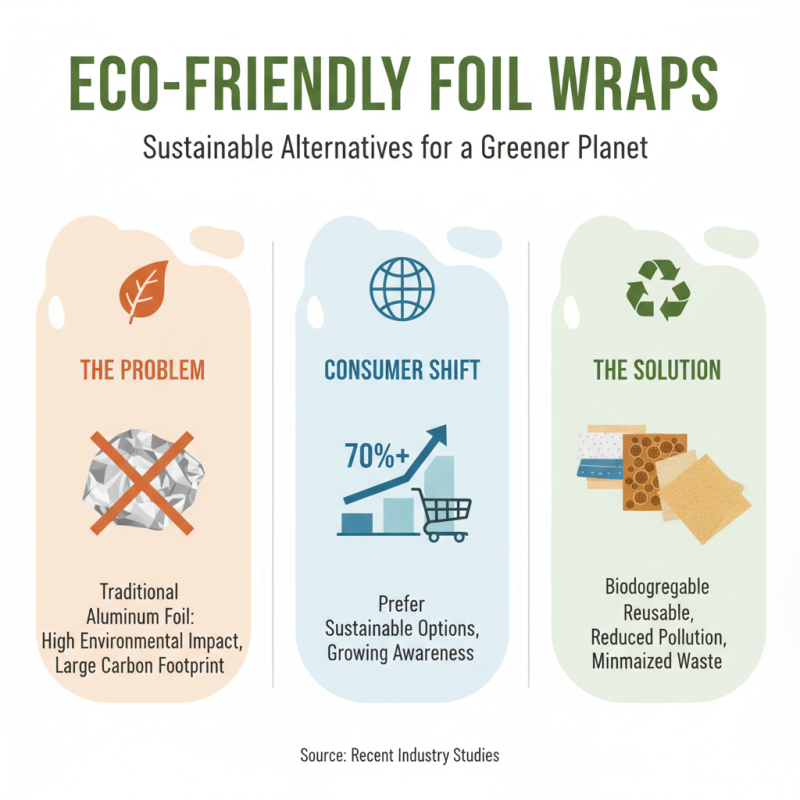
When considering foil wraps, eco-friendly options are gaining traction. Many consumers are now aware of the environmental impact of traditional aluminum foil. According to recent industry studies, over 70% of consumers prefer sustainable alternatives when shopping. These eco-friendly wraps minimize the carbon footprint associated with production and disposal.
Biodegradable foil wraps are emerging as a popular choice. Made from materials like plant starches, these wraps offer a practical alternative. They break down naturally, reducing landfill waste. In addition, research shows that using biodegradable wraps can decrease greenhouse gas emissions by up to 50% compared to conventional foil.
Recyclable options, like certain types of paper wraps, also deserve attention. These wraps can be reused and recycled, allowing consumers to contribute to a circular economy. However, it's essential to ensure proper disposal. Misplacing recyclable materials can lead to contamination in recycling streams. As consumers navigate their choices, they may ponder: Are we doing enough to address our environmental responsibilities with these alternatives? This reflection underscores the importance of making informed decisions when selecting foil wraps.
Tips for Choosing the Right Size and Length of Foil Wrap
Choosing the right size and length of foil wrap is essential for effective food storage. Before making a decision, consider your typical cooking or wrapping needs. For everyday use, a standard width of 12 inches is often sufficient. However, if you frequently wrap larger items or full trays, a wider roll can be advantageous.
Length is also crucial. Standard rolls usually measure around 50 to 200 square feet. If you often batch cook or host gatherings, larger rolls may be more convenient. Yet, smaller rolls can be more manageable and are easier to store. Think about how much you use the foil. If you might use it often, a larger roll makes sense. But if you find yourself using it sparingly, a smaller size will suit you better.
Reflecting on your habits is helpful. Consider how often you cook and what types of food you wrap most. Be aware that choosing the wrong size can lead to waste. An overabundance can take up space, while a too-small roll might leave you frustrated mid-preparation. Experimenting with different sizes can lead to better decision-making in the long run.
Foil Wrap Size Preferences among Users
Common Uses and Applications of Foil Wrap in Everyday Life
Foil wrap is a versatile product found in many kitchens. It's widely used for food storage, cooking, and baking. Industry reports show that more than 75% of households use foil wraps regularly. This is largely due to their ability to preserve freshness and prevent freezer burn.
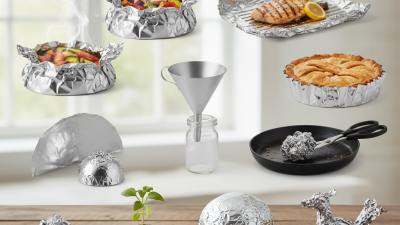
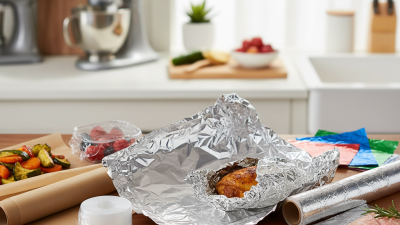
In everyday life, foil wrap has numerous applications. It can cover leftovers, line baking trays, or even create a makeshift funnel. It's effective in grilling vegetables or meats, allowing for easy clean-up. Recent data indicates that foil wraps can keep food warm longer, reducing food waste.
Tip: When using foil wrap, try to fold edges tightly to seal in flavors. This prevents moisture loss and enhances tastes. Consider using non-stick foil for easier release in baking.
While foil wraps are convenient, they can create waste. Reflecting on usage, prioritize reusable options when possible. Aim to recycle used foil, as aluminum is highly recyclable. Your choices can make a difference in reducing environmental impacts.