How to Choose the Best Plastic Pouch Machine for Your Needs?
In today's packaging industry, the demand for efficiency and sustainability drives innovation. The Plastic Pouch Machine is at the forefront of this evolution. According to a recent market report, the flexible packaging segment is expected to surpass $400 billion by 2025. This growth highlights the importance of selecting the right machinery for manufacturers.
A Plastic Pouch Machine enhances production speed, reduces waste, and meets diverse packaging requirements. Yet, not all machines are created equal. Different models cater to specific needs: from high-volume production runs to small batch customization. Companies must carefully assess their production goals and operational environments.
Choosing the optimal machine can be daunting. Factors such as machine speed, ease of use, and maintenance requirements should be considered. Striking the right balance can lead to improved efficiency and reduced costs. However, overlooking essential details can hinder productivity and escalate expenses. Understanding your unique needs is crucial in making an informed decision.
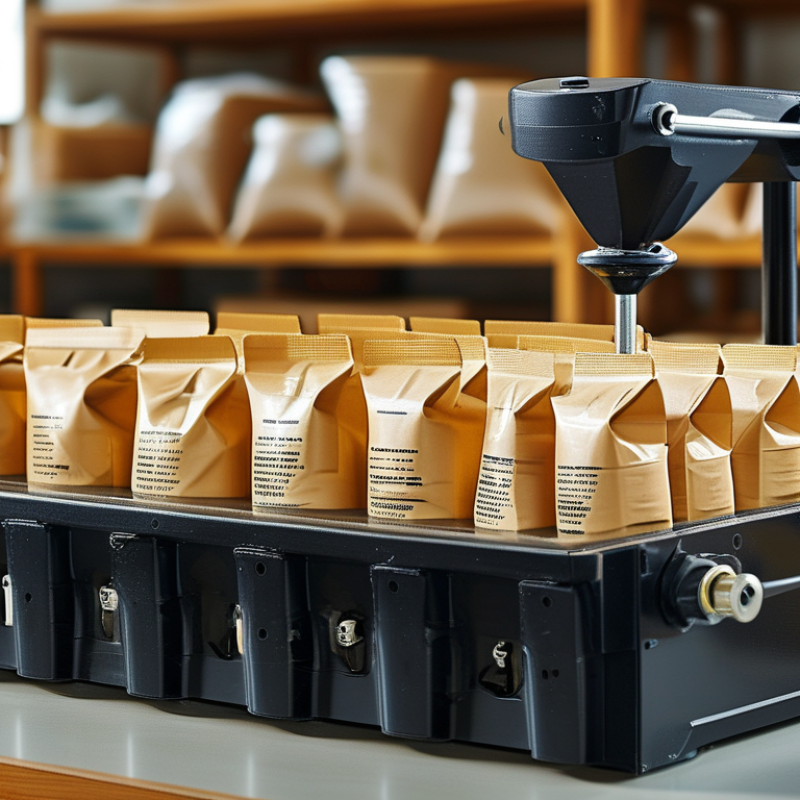
Understanding Your Packaging Requirements for Plastic Pouches
When selecting a plastic pouch machine, understanding your packaging requirements is essential. Consider the type of products you will package. Different items require different pouch styles. For example, snacks, liquids, and powders may need distinct sealing mechanisms. Assessing these requirements helps avoid mismatches in functionality.
Next, think about the capacity and output you need. If you’re a small business, a compact machine might suffice. Larger operations may require higher production rates. Evaluate your workflow and the speed you want to achieve. Sometimes, smaller machines can lead to unexpected delays.
Lastly, consider the material compatibility. Ensure the machine can handle the plastic types you plan to use. Not every machine is versatile. If it cannot adapt to different materials, it may not serve you well in the long run. A mismatch can disrupt operations and increase costs. This reflection on your needs will guide you to make a more informed choice.
Types of Plastic Pouch Machines Available in the Market
Plastic pouch machines are essential in various industries. They are used for packaging food, beverages, and consumer goods. Different types of machines cater to diverse needs, each with unique features.
Horizontal form-fill-seal machines are popular. They create pouches from a flat roll of plastic. These machines are efficient and suitable for high-volume production. However, they can be complex to operate. Adjustments may be needed to improve efficiency.
Vertical form-fill-seal machines also capture attention. They are compact and ideal for smaller spaces. These machines are versatile, working with various pouch sizes. However, some users find them less intuitive. Familiarizing oneself with the settings can take time.
Stand-up pouch machines offer distinct advantages. These machines are perfect for creating pouches that stand upright. They enable better shelf presence, attracting customers. Yet, users might overlook maintenance needs, which can affect performance. Regular inspections ensure longevity and reliability.
Key Features to Consider When Choosing a Plastic Pouch Machine
When selecting a plastic pouch machine, key features are crucial. Speed is one vital aspect. Machines can operate at rates exceeding 120 pouches per minute. Depending on your production needs, this feature can significantly impact efficiency and costs. Reports indicate that high-speed machines can improve output by nearly 30%.
Another essential aspect is versatility. A machine that can handle various pouch sizes and types is beneficial. Some units can accommodate stand-up pouches, flat pouches, and resealable options. The ability to adapt to different packaging needs can save time and resources. Additionally, consider automation. Machines with advanced automation reduce labor costs and minimize human error. For instance, fully automatic systems can cut labor expenses by up to 25%, according to industry studies.
Material compatibility is often overlooked. Ensuring the machine can work with various films is essential. In some instances, machines cannot process thicker materials effectively. This limitation can affect product quality and production rates. Balancing features, cost, and material capability leads to better long-term investments. Investing in the right machine may require careful consideration of these factors.
How to Choose the Best Plastic Pouch Machine for Your Needs?
| Feature | Description | Importance | Recommended Value |
| Machine Speed | The speed at which the machine can produce pouches. | High productivity and efficiency | 100-300 pouches per minute |
| Pouch Size Range | The range of sizes the machine can produce. | Versatility for different products | 100ml to 5L |
| Material Compatibility | Types of plastic films that can be used. | Ability to use diverse materials | PP, PE, PET, and laminates |
| Automation Level | The degree to which the machine operates automatically. | Reduced labor costs and increased efficiency | Fully automated recommended |
| Maintenance Requirements | Frequency and complexity of maintenance tasks. | Minimized downtime and costs | Low maintenance preferred |
| Cost | Initial investment and operating costs. | Budget management | $20,000 - $100,000 based on features |
Assessing the Cost-Effectiveness of Plastic Pouch Machines
When evaluating plastic pouch machines, cost-effectiveness is crucial. The initial investment often raises questions. A lower price might seem attractive, but the quality of the machine and its lifespan matter more. Cheaper models may struggle with efficiency. They can lead to higher operating costs and frequent repairs, which add up over time. Analyzing total cost of ownership can provide clearer insights.
Maintenance requirements vary widely among machines. Some models need regular servicing to operate at peak efficiency. This maintenance can contribute to ongoing costs. Consider the availability of replacement parts. Machines from obscure manufacturers may have limited support. Reliability in sourcing parts is key for the machine's longevity.
Technology also plays a significant role in cost-effectiveness. Modern machines offer faster production rates and advanced features, enhancing productivity. However, these state-of-the-art options can carry a hefty price tag. Evaluating your production volume and specific needs is essential. Understand what you genuinely require to avoid overspending on unnecessary features. Reflecting on these factors can lead to a more informed decision.
Evaluating Manufacturer Reputation and Support Services
When selecting a plastic pouch machine, evaluating the manufacturer's reputation is crucial. This assessment can heavily influence your operational success. A reliable manufacturer should have a strong track record, evidenced by positive customer testimonials and case studies. Research shows that 72% of businesses prioritize supplier reliability when purchasing machinery. This underscores the importance of a stable manufacturer.
Next, consider the support services provided. Accessible and knowledgeable support can save time during unexpected downtimes. Reports indicate that 65% of industrial companies experience prolonged disruptions due to inadequate support. A manufacturer with extensive resources can ensure quick resolutions. Look for companies that offer detailed manuals, online resources, and prompt technical assistance.
Finally, trustworthiness in the industry is key. Check industry certifications and affiliations to verify a manufacturer's credibility. Customer engagement on forums and social media can reveal real-world experiences. Also, learn from shared experiences in the community. Gaps in service and product performance often lead to reflection. Engaging in discussions can provide insights that prevent future issues.