How to Choose the Right Aluminium Food Container for Your Needs?
Choosing the right aluminium food container is crucial for various needs. John Smith, a packaging expert, states, "The right container enhances both preservation and convenience." With the growing trend of meal prepping, consumers face many options in the aluminium food container market. Not all containers are the same.
Some containers may not seal properly. Others could leach chemicals if heated. You want to ensure safety and quality. Many people overlook the importance of size and shape. A mismatched container can lead to spills or spoilage. It’s essential to evaluate your requirements carefully.
Consider your specific uses. Are you storing leftovers, packing lunches, or prepping meals? Each application may require a different type of aluminium food container. Recognizing these distinctions can prevent regrets later on. Thoughtful selection not only saves money but enhances your overall experience. Exploring options with an informed mindset will guide you toward the best choice.
Understanding the Different Types of Aluminium Food Containers
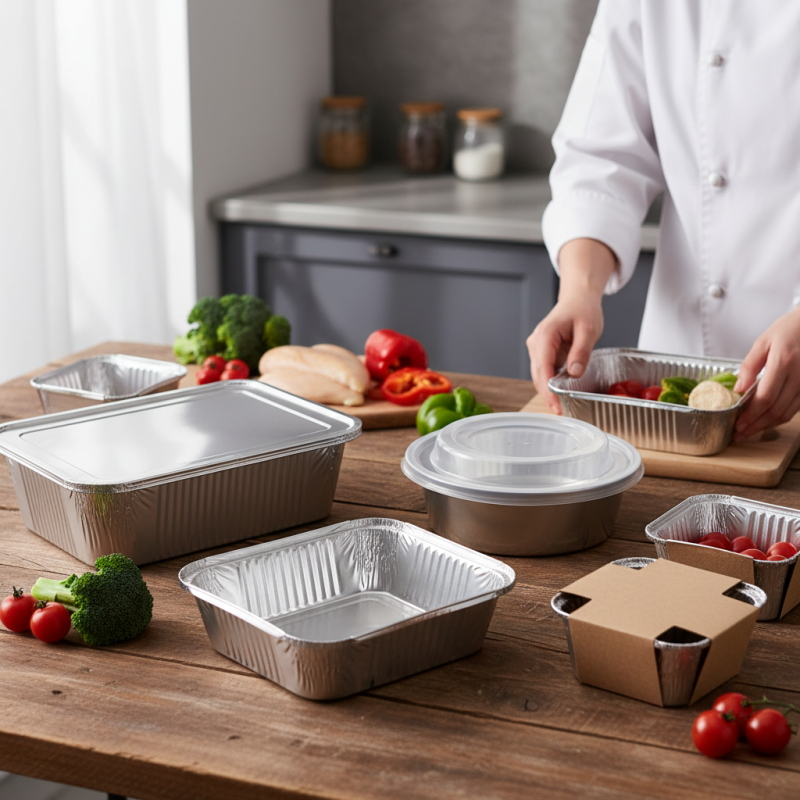
When selecting aluminium food containers, it's essential to understand the various types available. There are different styles, shapes, and sizes. Some are designed for cooking, while others are meant for storage or takeaway. The thickness of the aluminium can also vary, impacting durability.
Tip: Choose the thickness based on the intended use. For baking, a sturdier container is better. For simple storage, a lightweight option may suffice.
Consider features like lids, compartments, and stackability. Lids help in maintaining freshness and make transport easier. Compartments are practical for meal prep. Stackable options save space in your kitchen or refrigerator.
Another point to consider is the eco-friendliness of the containers. Some products can be recycled more easily than others. Reflect on how each choice affects sustainability. What are the long-term effects of your container choices? Your decisions matter.
Types of Aluminium Food Containers and Their Uses
Evaluating the Size and Volume Requirements for Your Needs
When choosing an aluminium food container, size matters. Understand your serving needs. Consider what you will store. Are you packing leftovers or preparing meals for a party? The container should match your portion sizes. A small container may not hold enough for large servings, while a huge container can be wasteful for single meals.
Volume is another critical factor. Look at the volume each container offers. Many containers are labeled with their capacity, which makes it easier to gauge how much they can hold. Sometimes, we underestimate how much space we actually need. A container that seems sufficient might end up being too cramped for certain dishes. For instance, pasta expands when cooked. A container that looked good on the shelf could turn into a messy disaster in reality.
Testing different sizes is a good approach. You may find that a 500ml container fits well for daily lunches, but a larger one is necessary for storing soups or casseroles. Measuring your food portions before purchasing can help. It leads to smarter choices. Not considering these factors could result in too much waste or not enough storage space. Observing your actual needs can guide you to the perfect fit.
Assessing the Thermal Properties and Oven Safety of Containers
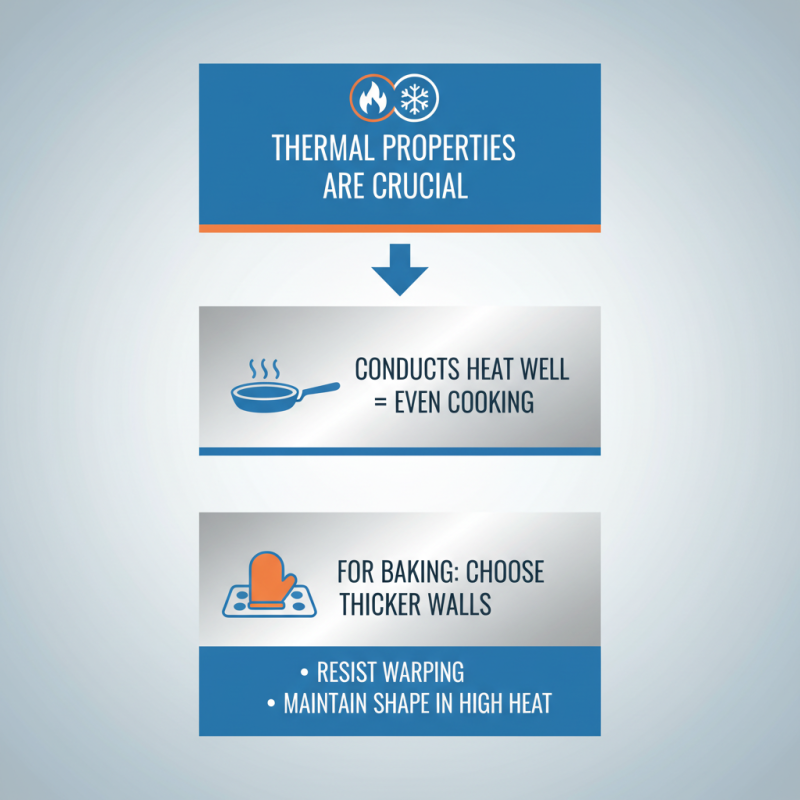
When selecting aluminium food containers, thermal properties are crucial. Aluminium conducts heat well, which helps in even cooking. If you're baking, choose containers with thicker walls. They resist warping and maintain shape under high temperatures.
Oven safety is another consideration. Not all aluminium containers are created equal. Some may be coated with materials that can flake or burn. Check for labels or indications about oven safety. Avoid using heavily dented containers; they may compromise safety.
Understanding these factors can help prevent disasters. Imagine putting a flimsy container in the oven, only to find it melted. Not ideal. Also, consider how you heat and store food. Will you use the same container for reheating? Think about it.
Identifying Eco-Friendly and Recyclable Aluminium Options
When selecting an aluminium food container, considering eco-friendly and recyclable options is essential. Aluminium is inherently recyclable. According to the Aluminium Association, over 75% of all aluminium ever produced is still in use today. This highlights the efficiency of recycling. Choosing recyclable materials helps reduce waste and conserve energy.
Tips: Look for containers stamped with recycling symbols. These indicate better recyclability. Opt for those made from post-consumer materials when possible. Less virgin aluminium is used in production, which lowers environmental impact.
Not all aluminium containers are created equal. Some may have coatings that hinder recycling. Be cautious about your choices. Research manufacturers who prioritize sustainability. A study shows that packaging accounts for nearly 40% of global plastic waste, emphasizing the importance of proper material selection.
Tips: Always check product specifications. Ensure containers can be recycled in your local area. This action can make a meaningful difference. Small steps lead to significant environmental benefits over time.
Comparing Cost and Quality When Selecting Containers
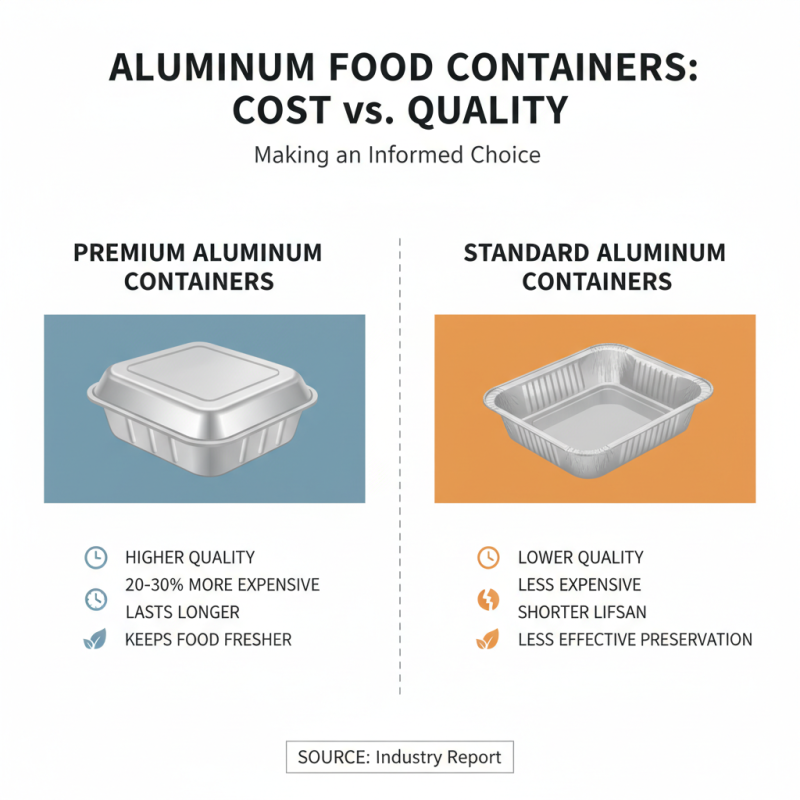
When selecting aluminium food containers, cost and quality are key factors that influence your decision. A recent industry report revealed that high-quality aluminium containers can last longer and keep food fresher. However, they may cost 20-30% more than lower-quality options. This price disparity often reflects durability and effectiveness in food preservation.
Tips: Always check the thickness of the container. Thicker containers are usually more durable. Look for features like airtight seals. These can add to the overall cost but benefit long-term use.
Quality matters, yet affordability remains essential. Investing in cheaper options might save money now. But it often leads to waste as they may not withstand temperature changes. In the long run, spending a little extra can be more economical. If you’re uncertain, consider purchasing a small batch first. Evaluate performance before making a larger investment.
Balancing cost and quality is challenging. Many users overlook the importance of material safety. Always ensure containers are food-grade and suitable for both freezing and baking. This will avoid complications down the line.