How to Choose the Right Photovoltaic Bracket for Your Needs?
Choosing the right Photovoltaic Bracket is crucial for any solar installation. Experts in the industry emphasize the importance of quality and compatibility. Dr. Emily Chen, a leading authority in solar technology, once stated, “The right bracket ensures durability and efficiency in solar systems.”
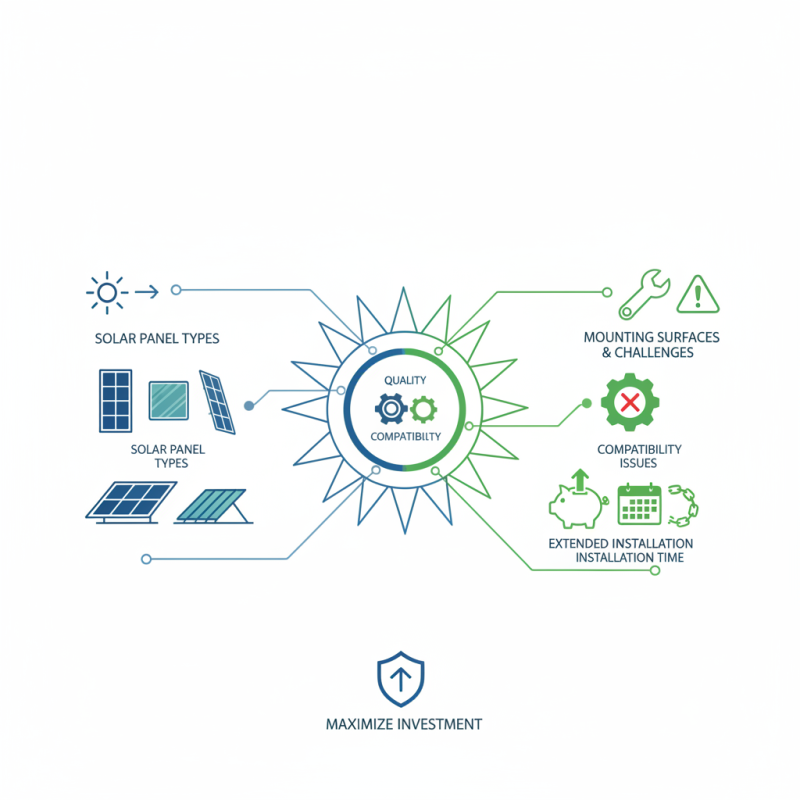
When selecting a Photovoltaic Bracket, consider the specific requirements of your project. Different brackets accommodate various solar panel types and mounting surfaces. For example, a flat roof may require different hardware than a sloped one. Each choice impacts the performance and longevity of the solar setup.
Additionally, reflect on potential challenges. Compatibility issues often lead to structural problems. A mismatch can result in extra costs and extended installation times. Choose a Photovoltaic Bracket wisely to avoid these pitfalls. It's essential to assess all factors thoroughly before making a decision. Doing so can maximize your investment in solar energy.
Understanding Photovoltaic Brackets: Types and Applications
Photovoltaic brackets provide essential support for solar panels. They come in several types, each suited for different applications. Ground mounts, for instance, are ideal for open spaces. They require robust support to withstand wind and snow loads. Roof mounts, on the other hand, are limited by roof conditions. They need to be compatible with various roofing materials.
Data from industry reports indicate that the global solar mounting systems market is expected to grow significantly, reaching approximately $24 billion by 2025. This growth underscores the importance of choosing the right bracket type for efficiency and durability. Adjustable mounts offer flexibility, but their complexity can lead to installation issues. Fixed brackets are simpler but might not maximize sunlight exposure throughout the day.
In residential applications, weight and angle matter. Improperly chosen brackets can lead to suboptimal performance. The material of the bracket also plays a critical role. Aluminum offers a good strength-to-weight ratio, whereas steel provides durability. However, steel may rust if not treated well. Therefore, understanding material properties is essential. Ultimately, careful consideration of these factors ensures long-term efficiency and safety for solar energy systems.
Photovoltaic Bracket Types and Applications
Factors to Consider When Choosing a Photovoltaic Bracket
When selecting a photovoltaic bracket, certain factors are crucial. Material choice greatly influences durability. Aluminum brackets can resist corrosion better than steel ones. Yet, they might not bear heavy loads. A recent industry report indicates that nearly 20% of solar systems fail due to poor mounting choices. This emphasizes the importance of selecting robust materials.
The geographic location also matters. In areas with high wind or snow loads, missing this consideration can lead to risks. Reports show that improper installations can reduce system efficiency by up to 15%. Consulting local building codes may help, but often, these documents aren't user-friendly. Additionally, many overlook the impact of aesthetic considerations. A bracket that is not visually appealing can deter homeowners from investing in solar energy.
Cost can never be ignored. High-quality brackets often cost more, but these may save money in the long run. A cheaper option may lead to frequent replacements. Budget constraints can limit options, leading to compromises. Evaluating all these factors thoughtfully is essential, despite their complexity. Balancing costs with durability, aesthetics, and suitability can be tricky. Yet, taking the time to reflect on these details is paramount for a successful photovoltaic system.
How to Choose the Right Photovoltaic Bracket for Your Needs?
| Factor | Description | Considerations |
| Material | Common materials include aluminum, stainless steel, and reinforced plastic. | Choose based on durability, weight, and cost. |
| Load Capacity | The bracket must support the weight of the solar panels and withstand environmental stresses. | Check manufacturer specifications for weight limits. |
| Installation Type | Brackets can be ground-mounted, roof-mounted, or pole-mounted. | Consider your site’s layout and installation preferences. |
| Tilt Angle | The angle affects solar panel efficiency based on geographic location. | Choose adjustable brackets for optimal performance year-round. |
| Corrosion Resistance | Brackets should withstand local weather conditions without rusting. | Look for treated or coated materials in coastal or humid areas. |
| Price | Cost varies based on materials, design, and brand. | Balance budget with quality and durability. |
| Warranty | Look for products that offer a robust warranty. | A longer warranty can indicate better quality and reliability. |
Evaluating Material and Durability of Photovoltaic Brackets
When choosing photovoltaic brackets, material and durability are crucial. Various materials, like aluminum and steel, offer different strengths and weaknesses. Aluminum is lightweight and resists corrosion. However, it may not support heavy panels as effectively as steel. On the other hand, steel brackets provide excellent stability but are prone to rust if not properly coated. Knowing the environment where the brackets will be installed helps in making the right choice.
Durability is essential, especially in harsh weather conditions. A bracket that can withstand extreme temperatures, high winds, and heavy snow will last longer. Some brackets feature protective coatings to enhance durability. However, coatings can wear down over time. Regular inspections are needed to ensure they remain effective. It's also important to consider how the material choice fits your specific installation site. A bracket that's perfect for one location may not perform well in another. This aspect often requires careful planning and thought.
Installation Requirements for Different Types of Brackets
When choosing a photovoltaic bracket, installation requirements are crucial. Different types of brackets require different considerations. Some brackets are fixed, while others are adjustable. Fixed mounts are simpler but less flexible. Adjustable mounts offer versatility but can be more complex to install.
Before installation, evaluate your roof type. For flat roofs, ballasted systems may be ideal. They don’t penetrate the roof, reducing leaks. Sloped roofs can use rail-mounted brackets. These brackets anchor deeply, ensuring stability.
Tips: Always check local regulations to ensure compliance. Make sure to assess the wind and snow load in your area. These factors influence bracket choice. Measure dimensions carefully. Mistakes in measurement can lead to unstable installations. Consider future maintenance needs as well. Easy access can save time and effort later.
Cost Considerations and Budgeting for Photovoltaic Brackets
When considering photovoltaic brackets, cost is a significant factor. Prices can vary widely based on materials and design. A low-cost option may save you money upfront, but it might not last as long. Factors like durability and local weather conditions should be at the forefront of your decision-making process. Cheaper brackets might result in higher replacement costs down the line.
Budgeting effectively is crucial when purchasing photovoltaic brackets. Allocate funds not just for the initial purchase but also for installation. Quality installation may require hiring professionals. This could add to your overall expenses but will ensure the brackets perform optimally. Think about your long-term investment. Sometimes, spending more initially leads to better overall value.
Consider what features matter the most. Adjustable brackets might require a larger budget. However, they offer flexibility for future solar upgrades. Think about your specific needs and how they align with your financial situation. Reflect on your priorities—balancing cost and functionality is key. If possible, consult with experts to get estimates. This can help clarify what you really need versus what you want.