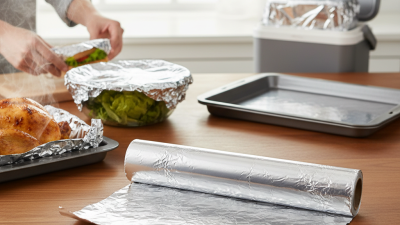
Why Choose the Right Wrapping Foil for Your Cooking Needs?
In the culinary world, the right wrapping foil can make all the difference. Chef Emily Hart, a renowned expert in kitchen tools, once stated, “Choosing the right wrapping foil is essential for preserving flavors and maintaining texture.” This highlights the importance of understanding the various types of wrapping foil available.
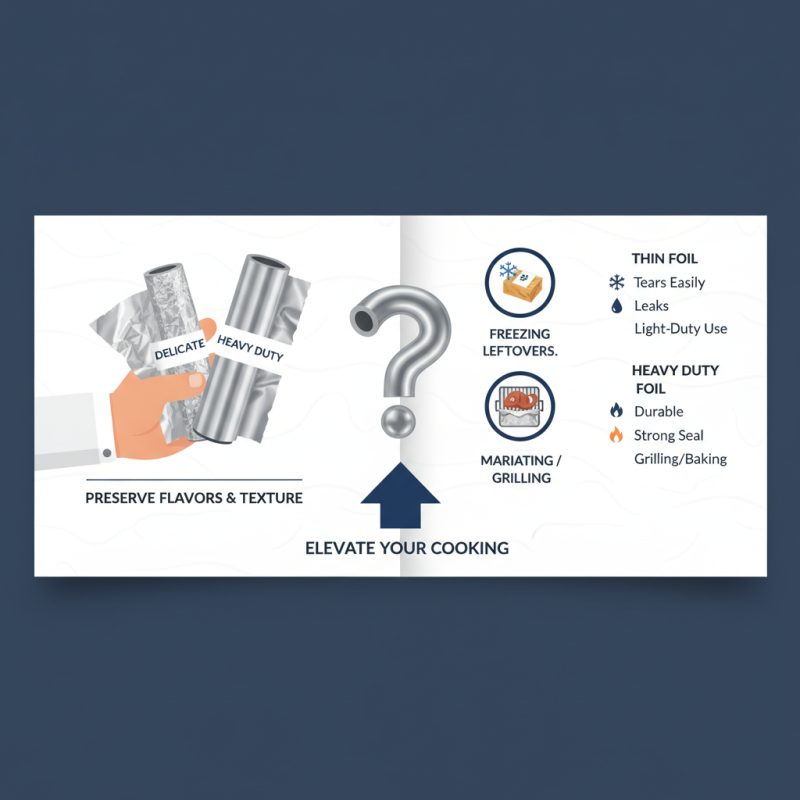
Many chefs overlook the nuances in wrapping foil. They may grab any roll without considering the specific needs of their dishes. Not all foil performs the same way. Some are thinner, which can result in tears and leaks. Others are heavyweight and ideal for grilling or baking, providing a better seal. The choice you make can impact your cooking outcomes.
Exploring different options is crucial. Do you need something for freezing leftovers, or will you be marinating meats? Each situation requires its own type of wrapping foil. Ultimately, recognizing this can elevate your cooking experience. By reflecting on your choices, you can enhance the way you prepare and store food. Choosing the right wrapping foil is not just a matter of convenience; it’s a necessary step for every chef.
Factors to Consider When Selecting Cooking Foil for Your Kitchen
When selecting cooking foil for your kitchen, several factors come into play. First, consider the thickness. Standard aluminum foil typically measures 0.016 mm, but heavier-duty options can go up to 0.024 mm. A thicker foil is better for grilling and roasting, as it prevents tearing.
Another important aspect is the foil's functionality. For instance, some foils are specifically designed for high-temperature cooking. Many chefs report that using the right cooking foil can improve heat distribution. This can lead to more evenly cooked meals.
Tips: Always test a small piece to see its durability. Also, take note of the foil’s recyclability. A recent industry report shows that nearly 75% of aluminum foil can be recycled. This not only benefits the environment but also helps reduce kitchen waste.
Additionally, consider the width of the foil. Rolls typically range from 12 to 18 inches. A broader foil accommodates larger dishes, but it can be cumbersome to handle. Don't overlook the importance of storage too. Moisture can ruin your foil, so keep it in a cool, dry place.
Why Choose the Right Wrapping Foil for Your Cooking Needs? - Factors to Consider When Selecting Cooking Foil for Your Kitchen
| Foil Type |
Thickness (Microns) |
Heat Resistance (°F) |
Use Cases |
Recyclable |
| Standard Aluminum Foil |
16 |
400 |
Baking, Grilling, Food Storage |
Yes |
| Heavy-Duty Aluminum Foil |
24 |
450 |
Roasting, Wrapped Meals |
Yes |
| Non-Stick Aluminum Foil |
20 |
400 |
Baking, Candy Making |
Yes |
| Plastic Wrap |
- |
- |
Food Storage, Freezing |
No |
| Beeswax Wraps |
- |
- |
Food Storage, Covering |
Yes |
Types of Wrapping Foils: Aluminum vs. Plastic and Their Applications
When it comes to cooking, choosing the right wrapping foil is essential. Aluminum and plastic wraps each serve different purposes in the kitchen. Aluminum foil is ideal for baking and grilling. It withstands high temperatures well and preserves flavors. However, it is not suitable for acidic foods. The aluminum can react and alter the taste.
On the other hand, plastic wrap is great for food storage. It clings tightly to bowls and food items. This keeps your food fresh. But it cannot endure high heat. Using plastic wrap in an oven will end badly. Knowing the strengths and weaknesses is crucial.
**Tip:** Always check what type you need for your specific cooking method. For instance, use aluminum foil when roasting veggies. For leftovers, plastic wrap is your friend. Keep it simple but effective. Not all materials are created equal, so experiment a bit. It might take a few tries to get it just right, which is part of the learning process.
Understanding the Thickness and Strength Ratings of Wrapping Foils
Choosing the right wrapping foil is crucial for cooking. Thickness and strength ratings are key factors in this decision. Foils typically range from 0.000625 to 0.0015 inches in thickness. Thicker foil often offers better strength and durability. A report from the Food Packaging Institute states that thicker foils are more resistant to tearing and puncturing.
Tips: Always consider the cooking method before selecting a foil's thickness.
For microwave use, thinner foils are acceptable. However, using thicker foil increases effectiveness during grilling or roasting. It can withstand high temperatures without warping or losing shape. According to a study by the American Society for Testing and Materials, thicker foils show less heat transfer, ensuring even cooking.
Tips: Store wrapping foil in a cool, dry place to maintain its quality.
Choosing the wrong foil can lead to a poor cooking experience. It might result in unevenly cooked meals or a compromised food safety environment. Consider experimenting with various thicknesses to discover what works best for your cooking style.
Health and Safety Standards: What to Look for in Cooking Foils
When choosing cooking foils, health and safety are crucial. Look for foils that are food safe. Many foils are labeled as such, ensuring they meet safety standards for direct food contact. This is vital for avoiding any chemical reactions during cooking. Some foils may contain coatings that can leach into food. Always check for certifications on packaging.
Tips: Always inspect the foil for any signs of damage. A torn or worn piece may not provide the necessary protection. Consider the thickness as well. Thicker foils often resist tearing better, ensuring your food stays intact throughout the cooking process.
Be wary of how heat affects different foils. Some may release harmful substances when heated too much. If you plan to use them for baking or grilling, ensure they can withstand high temperatures. Not all foils are created equal, and this can significantly impact your health.
Tips: Avoid using aluminum foil with acidic foods. This can cause leaching. Experiment with different wrapping methods. A loosely wrapped piece may cook differently than a tightly sealed one. Adjusting your technique can enhance your cooking experience.
Health and Safety Standards in Cooking Foils
Environmental Impact of Different Wrapping Foils and Disposal Methods
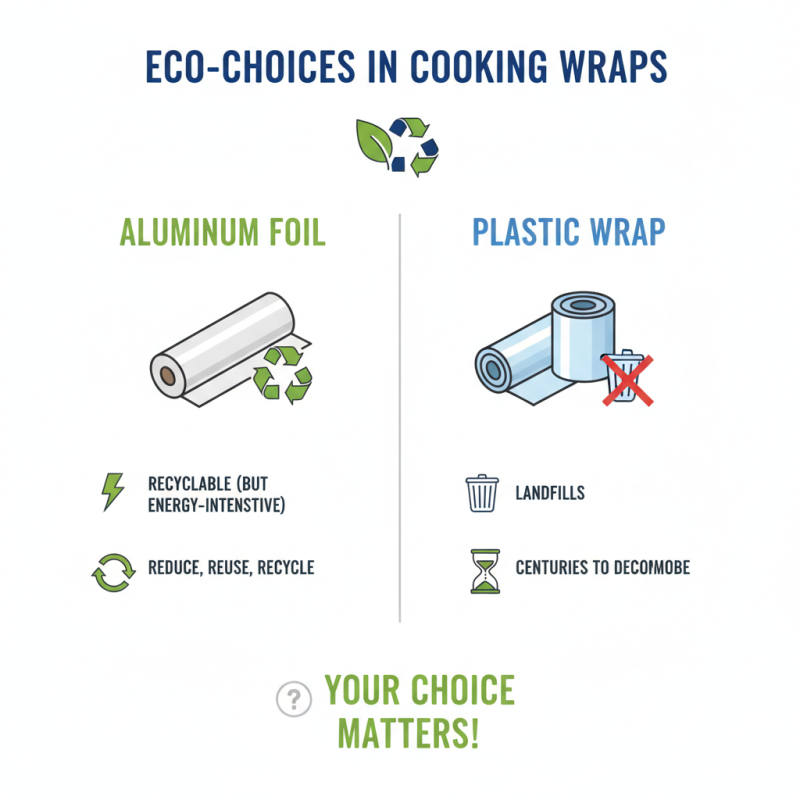
When it comes to cooking, wrapping foil plays a vital role. However, not all foils have the same environmental impact. Some foils are recyclable, while others are not. Aluminum foil can be recycled, but this process requires significant energy. On the other hand, plastic wraps often end up in landfills. They can take centuries to decompose. This raises questions about our choices.
The disposal methods also vary by material. Compostable wraps exist, but they are not widely used. Many people overlook their options. If one prefers eco-friendly choices, it’s crucial to understand the available alternatives. Each choice contributes to our environmental footprint. Choosing inappropriate materials could lead to waste in the long run.
Reflecting on our habits is essential. How often do we reuse materials? A single-use mentality can be harmful. Small changes, like opting for recyclable or compostable options, can have a significant impact. Engaging in mindful disposal practices can reduce waste. Making informed choices is a step toward sustainability.