What Is an Aluminium Container Used For?
An aluminium container is more than a lightweight box or can. It protects food, beverages, cosmetics, medicines, and industrial components during storage and transport. Its strength supports stacking, while its low weight can reduce handling effort and transport loads. It also provides an effective barrier against light, oxygen, moisture, and external odours. That matters when freshness and product stability are essential.
The International Aluminium Institute reports that recycling aluminium uses about 95% less energy than producing primary aluminium. This makes recycled content a significant resource advantage. The Institute also notes that aluminium can remain in use for decades through repeated recycling. However, recycling systems do not perform equally everywhere. Collection quality, sorting technology, coatings, and contamination still influence real results. The material is valuable, but not automatically sustainable.
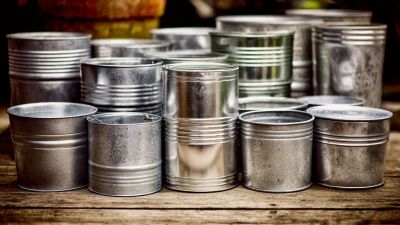
Industry reports from the Aluminium Association and European Aluminium describe beverage cans and foil containers as established packaging formats with strong recovery potential. In practice, a chilled drink can, a sealed meal tray, or a small cosmetic tin shows aluminium’s practical versatility. Manufacturers choose different alloys, wall thicknesses, lids, and protective coatings for specific performance needs. These choices affect cost, shelf life, recyclability, and consumer safety.
Yet no package is perfect. Primary aluminium production remains energy-intensive, and poorly managed waste loses much of the material’s value. A responsible evaluation must consider the complete life cycle, not only the container’s appearance or recycling symbol. Understanding these trade-offs explains why an aluminium container remains widely used—and why design, collection, and verified industry data still matter.
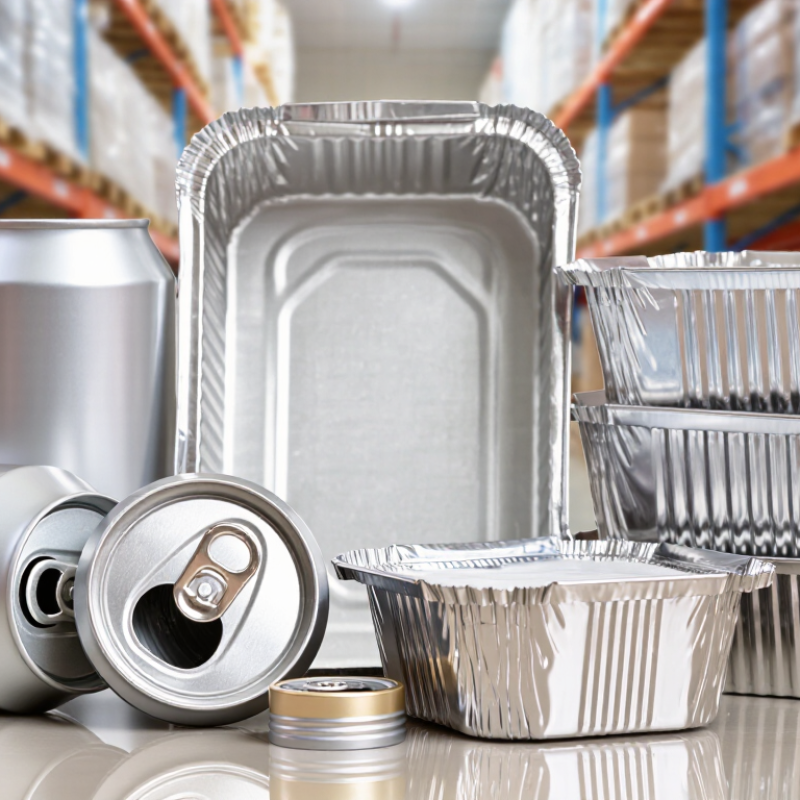
Definition and Construction: 3003 and 8011 Alloys in Foil Containers
What Is an Aluminium Container Used For?
An aluminium container is a lightweight vessel formed from rolled aluminium sheet or foil. It is used for baking, food preparation, chilled storage, takeaway meals, and catering service. The material blocks light, resists moisture, and transfers heat quickly. It also withstands ordinary handling without adding much weight.
Two alloys commonly appear in foil container construction: 3003 and 8011. Alloy 3003 contains manganese, which improves strength and formability. It suits containers that need repeated pressing, deeper walls, or better shape retention. It bends easily.
Alloy 8011 contains iron and silicon, helping manufacturers produce thin foil with useful strength and controlled flexibility. It is often chosen for standard food trays and lids.
Manufacturing begins with rolling aluminium into thin stock, followed by cutting and pressing. A forming die creates the base, sidewalls, corners, and rim. Some containers receive a lightly embossed surface, which can improve stiffness and reduce sticking during handling. Thickness, temper, and forming pressure affect the final performance more than alloy numbers alone.
That detail is easy to miss.
In practical use, 3003 may feel firmer in a deep baking tray, while 8011 can perform well in lighter containers. The difference is not always obvious by touch. Acidic or salty foods may require suitable specifications and storage times. Alloy selection is not a magic answer; design, thickness, and production quality still deserve careful checking.
How They Are Made: Thin Aluminium Foil Is Pressed into Trays
What Is an Aluminium Container Used For?
How They Are Made: Thin Aluminium Foil Is Pressed into Trays
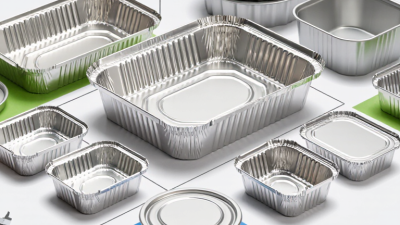
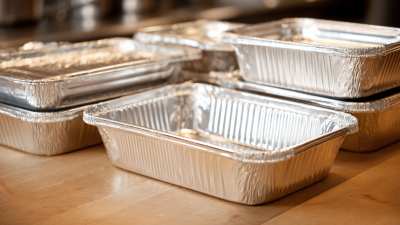
Aluminium trays begin as wide coils of thin, rolled metal. European Aluminium describes foil as aluminium rolled to less than 0.2 millimetres thick. The stock is fed into a press, where a shaped die pushes it into a tray form. The metal stretches around the base and walls in seconds. A trim-and-curl step can smooth the rim and strengthen the edge. The process looks simple, but uneven pressure may leave wrinkles or thin spots.
Manufacturers adjust press force, die shape, and metal thickness to suit the tray’s depth and use. Shallow food trays need less drawing than deep containers. The metal conducts heat well, which helps food heat evenly in ovens. It also blocks light, moisture, and odours when the container is intact. Small details matter: a sharp corner can weaken the foil, while a rolled rim makes handling more comfortable. Not every tray comes out identical; production settings still need close checks.
The European Aluminium and Metal Packaging Europe report put Europe’s aluminium packaging recycling rate at 76. Aluminium can be remelted, though collection and sorting affect whether used trays return as new material. Thin walls reduce the amount of metal per container, but they can also dent easily. That trade-off is easy to overlook. A tray is light, yet its performance depends on careful forming and a usable end-of-life route.
Food Uses: Containers Serve Baking, Takeaway, Catering, and Food Storage
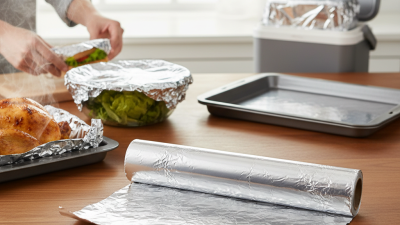
Aluminium containers are useful in kitchens because they move easily from preparation to serving. For baking, shallow pans spread heat around pies, roasted vegetables, and small cakes. Their light weight makes a tray easier to carry from oven to counter, though thin containers can bend when filled. Set them on a sturdy baking sheet if the food is heavy. Check the container’s instructions before heating, and do not assume every type is suitable for a microwave.
For takeaway meals, lidded aluminium trays help keep portions together during transport. Caterers use larger pans for buffet dishes, baked pasta, and vegetables because they can be filled, covered, and served with little extra handling. They are also handy for food storage, especially when leftovers need a simple cover in the refrigerator. Let hot food cool safely before covering and chilling it. A tight lid is not a substitute for prompt refrigeration.
Small details matter. Acidic or salty foods, such as tomato sauce, may react with aluminium during prolonged contact, so use a suitable liner or another storage dish when needed. I sometimes see containers overloaded until their sides bow; carrying two balanced trays is less awkward. Not elegant, perhaps, but practical. Reuse or recycle containers only when they remain clean, intact, and accepted by local collection services.
What Is an Aluminium Container Used For?
Aluminium food containers are commonly used for baking, takeaway meals, catering portions, and food storage. The chart shows representative container capacities frequently used for these applications.
Note: Capacities are representative food-container sizes in millilitres, not market-share or company-specific data.
Recycling: European Aluminium Reports a 76% Packaging Recycling Rate in 2022
An aluminium container can hold food, drinks, or household products, but its usefulness does not end when it is empty. In Europe, the aluminium packaging recycling rate reached 76% in 2022, according to European Aluminium. That figure offers a useful measure of how much packaging is recovered for recycling. It also shows why a lightweight container can be more than convenient. When collected and sorted correctly, aluminium can be processed into material for new products.
A clean, empty container is easier to handle than one with food still inside. Small actions help. Scrape out leftovers, then follow local sorting instructions, since collection systems differ. The 76% rate is encouraging, but it does not mean every container was recycled. Packaging may be missed, incorrectly sorted, or contaminated. And a regional figure can hide gaps between communities. Recycling is practical, not automatic. A container placed in the wrong bin may never reach the right facility. The statistic deserves attention, but also a closer look at how collection and sorting work where people live.
What Is an Aluminium Container Used For? Recycling in Europe, 2022
Aluminium containers are used to package food, drinks, and other products. In 2022, the reported recycling rate for aluminium packaging in Europe was 76%.
| Container or Packaging Type |
Common Uses |
Why Aluminium Is Used |
Recycling Information |
| Beverage cans |
Packaging drinks such as soft drinks, beer, and sparkling water. |
Lightweight and suitable for enclosing and protecting beverages. |
Included in the overall European aluminium-packaging recycling rate. |
| Food cans and containers |
Packaging foods such as vegetables, soups, fish, and prepared meals. |
Provides a sturdy container that can help protect food from light and air. |
Included in the overall European aluminium-packaging recycling rate. |
| Aluminium trays and foil containers |
Holding, storing, transporting, or cooking food. |
Can be formed into shallow trays and other food-container shapes. |
Included in the overall European aluminium-packaging recycling rate. |
| Aerosol containers |
Packaging products such as personal-care items and household sprays. |
Forms a rigid container designed to hold pressurised products. |
Included in the overall European aluminium-packaging recycling rate. |
| All aluminium packaging formats |
Combined category covering aluminium packaging, including cans, trays, and other packaging formats. |
Used across a range of food, beverage, and consumer-product applications. |
76% recycled in Europe in 2022 |
The 76% figure is the reported rate for aluminium packaging overall in Europe in 2022; it is not a separate rate for each container type.