
Top 10 Creative Uses for Food Paper in Everyday Life?
In today's fast-paced world, creative thinking in everyday life can lead to delightful surprises. Food paper, often overlooked, is a remarkable material that can enhance our daily activities. Renowned expert in sustainable materials, Dr. Emily Carter, once stated, "Food paper is not just for wrapping; it is a canvas for creativity." This idea reflects the potential of food paper beyond traditional uses.
Imagine transforming food paper into innovative table decorations or unique gift wraps. The beauty of food paper lies in its versatility. It can be molded, painted, or even stitched. Some people use it to create fun art projects or even practical items like eco-friendly coasters. However, there is often a struggle to explore these creative avenues. Many still stick to basic functions.
We must challenge ourselves to think outside the box. While food paper can be a tool for creativity, it can also fall into mundane habits. Do we really utilize its full potential? Embracing a more imaginative approach to food paper can lead to unexpected joy in our daily lives.
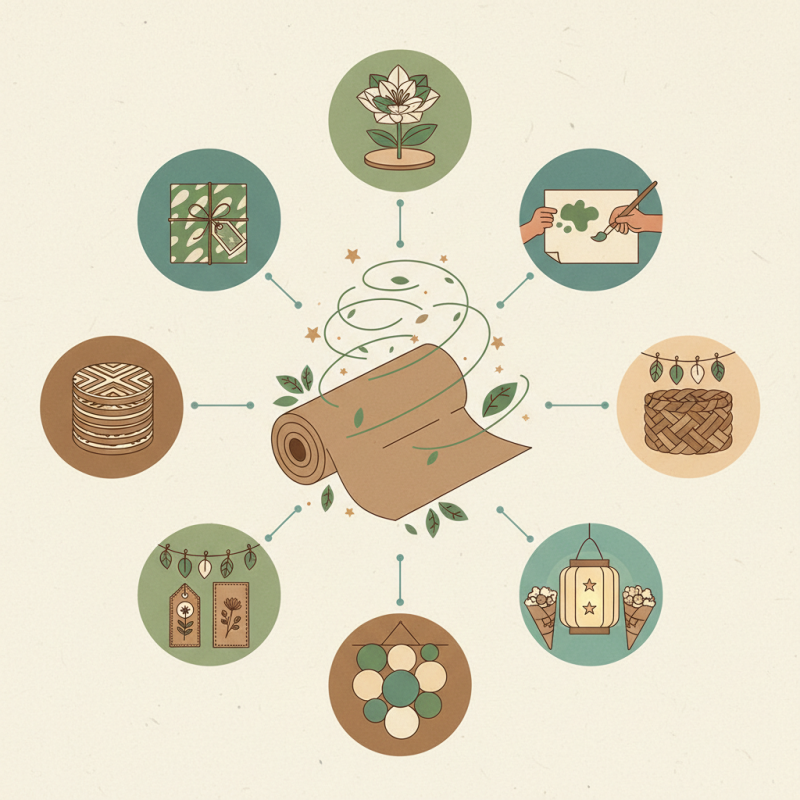
Innovative Kitchen Hacks: Transforming Food Paper into Useful Tools
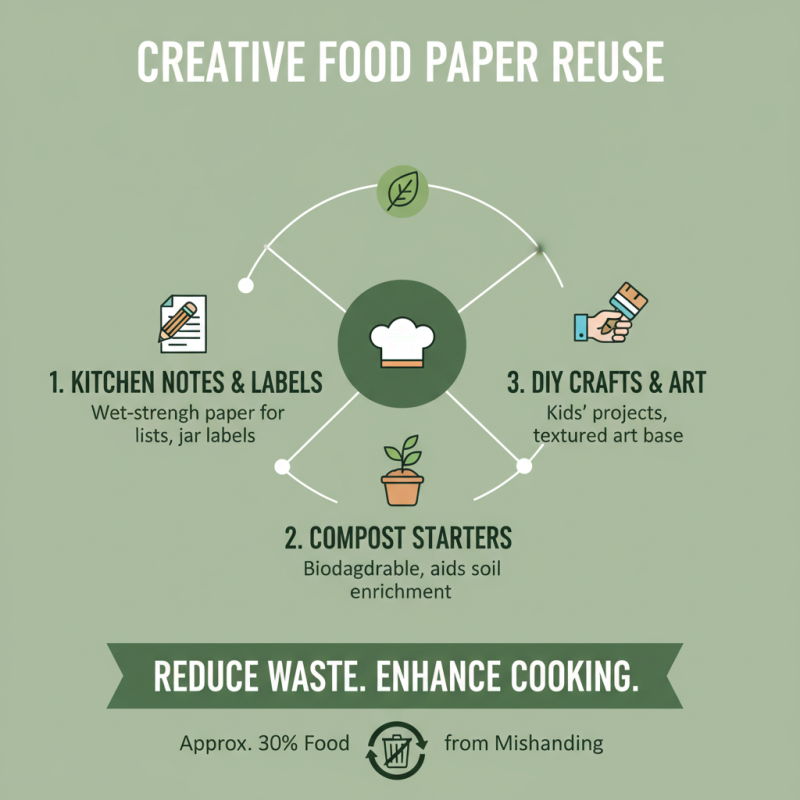
Food paper, often discarded after meals, can find new life with a touch of creativity. Just think about what happens in the kitchen. According to industry studies, about 30% of food waste originates from improper handling. Transforming food paper into practical tools can significantly reduce this waste while enhancing our cooking experience.
Here are a few innovative uses for food paper. Use grease-resistant paper to create piping bags for decorating cakes and cupcakes. This not only cuts costs but also minimizes plastic waste. Another idea? Repurpose parchment paper as a makeshift mat for rolling out dough. It simplifies clean-up and ensures your surfaces remain uncontaminated. Interestingly, reports suggest that nearly 40% of consumers are unaware of such sustainable practices in their kitchens.
Tip: Keep a small stash of food paper handy. You never know when you'll need a quick fix for a kitchen dilemma. Want to keep your salads crisp? Line your salad bowls with food paper to absorb excess moisture. It's simple yet effective. As you explore these hacks, reflect on how many food papers you might typically throw away. You’ll surprise yourself with the potential for creativity in the most mundane items.
Related Posts
-
The Environmental Impact of Food Paper Products on Sustainable Packaging Solutions
-
The Surprising Benefits of Using Silver Foil Paper in Your Creative Projects
-
2025 Top 10 Aluminium Containers You Need for Your Kitchen Inventory
-

How to Use Alu Foil for Cooking Tips and Creative Ideas in 2025
-
Why Aluminium Foil is Essential for Your Kitchen and Home?
-
Ultimate Tips for Using Aluminum Foil Sheets in Your Kitchen