How to Use Aluminum Wrap for Cooking and Food Storage Effectively?
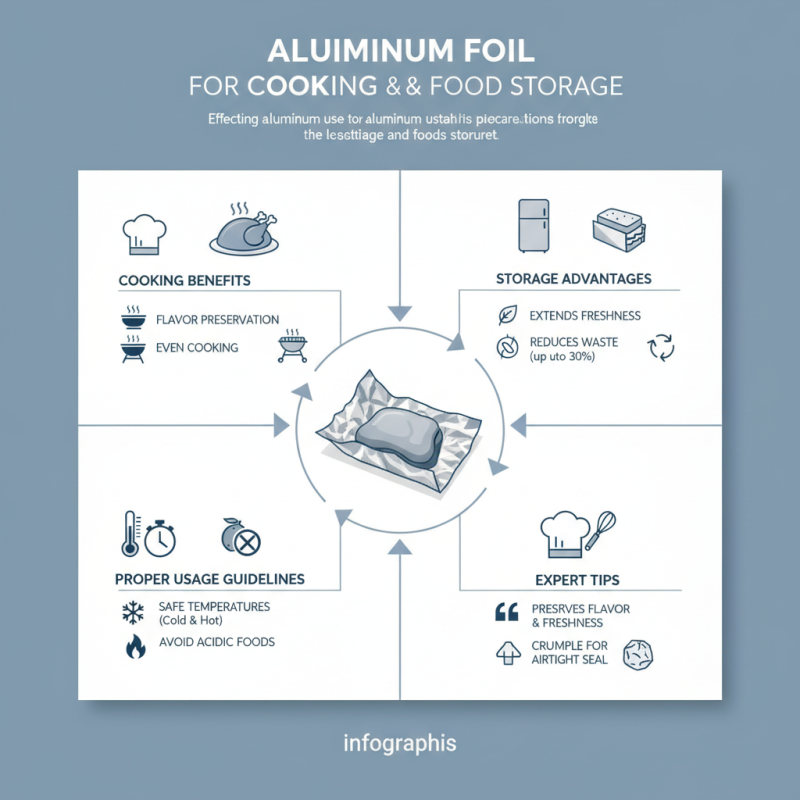
In the culinary world, aluminum wrap is a versatile tool. Widely used for cooking and food storage, it offers many benefits that are often overlooked. According to a report by the Food and Beverage Association, effective food wrapping can reduce waste by up to 30%. This highlights the importance of proper food storage techniques.
Experts, including Chef Mark Anderson, emphasize the value of aluminum wrap. He states, "Aluminum wrap is not just a cover; it preserves flavor and freshness." This is crucial for both home cooks and professionals. However, many use it incorrectly, leading to food spoilage or safety issues.
Despite its common use, misconceptions about aluminum wrap persist. People often ignore guidelines for safe temperatures and exposure. Understanding these details is essential for achieving the best results in the kitchen. It's time to rethink how we utilize this simple yet effective material.
Benefits of Using Aluminum Wrap in Cooking and Food Storage
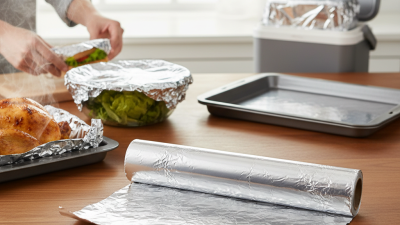
Aluminum wrap is incredibly useful for both cooking and food storage. It provides a seal that keeps food fresh for longer periods. When wrapping leftovers, it helps retain moisture and flavor. This is especially beneficial for dishes like roasted vegetables or grilled meats. Without proper covering, food can dry out, losing its delicious taste.
Using aluminum wrap also makes cleanup easy. You can line pans or baking sheets with it, preventing food from sticking. This simple step saves time when washing dishes. However, be mindful of how you use it. Some people might wrap food too tightly, which can affect cooking. It's essential to allow a bit of space to let heat circulate.
In food storage, aluminum wrap is versatile. You can use it for both hot and cold items. It also helps protect food from odor absorption in the fridge. Still, it’s important to note that not all foods react well to aluminum. For example, acidic foods can corrode the wrap, altering flavors. So, a little attention is required to get the most out of aluminum wrap.
Different Types of Aluminum Wrap: Which One to Choose?
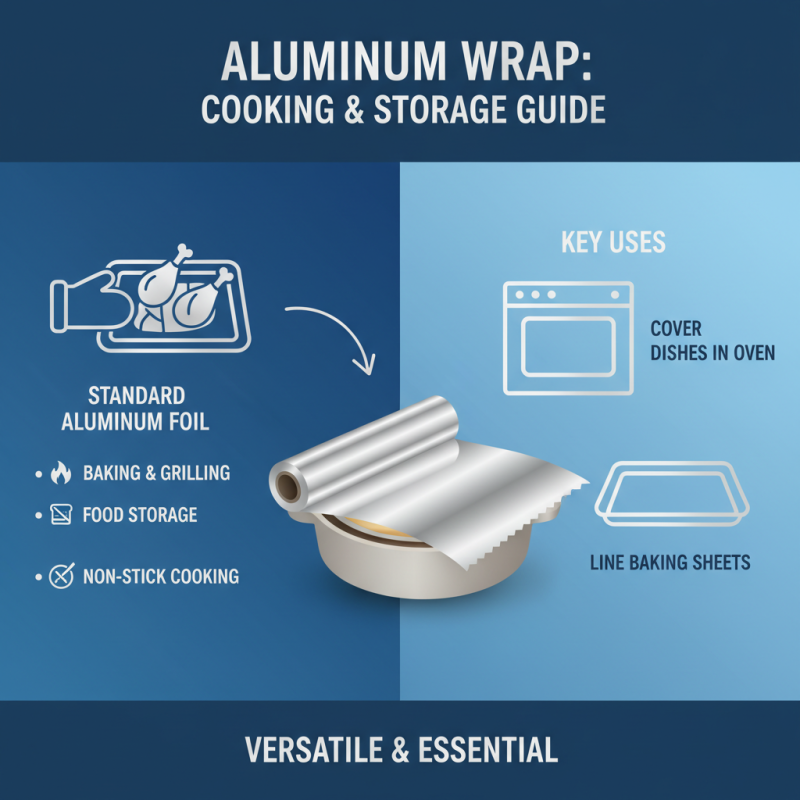
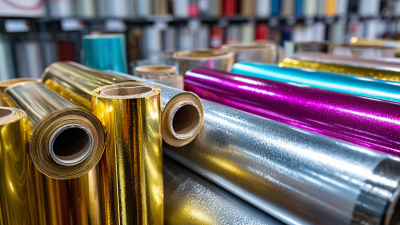
When it comes to aluminum wrap, different types cater to various cooking and storage needs. Standard aluminum foil is versatile. It can be used for baking, grilling, and wrapping food for storage. Use it to cover dishes in the oven or to line baking sheets. Often, it's an easy way to ensure food doesn't stick.
Heavy-duty aluminum foil is thicker. This makes it perfect for wrapping meats or grilling. It withstands higher temperatures and punctures. If you're making a hearty meal, opt for this type. Ensure you seal well to prevent moisture loss. While it's great for grilling, some find it harder to cut neatly. You might end up with jagged edges.
Non-stick aluminum foil, on the other hand, has a special coating. It's ideal for sticky foods like cheese or marinated chicken. You won’t struggle as much with food sticking. However, it can be pricier. People often debate its environmental impact, too. Carefully consider which type fits your needs to avoid waste.
Techniques for Wrapping Food Properly for Optimal Freshness
Aluminum wrap is a handy tool for food storage and cooking. It’s crucial to know how to wrap food to keep it fresh. Inadequate wrapping can lead to spoilage. A report from the USDA indicates that around 30-40% of food produced in the U.S. is wasted. Proper techniques could reduce this significantly.
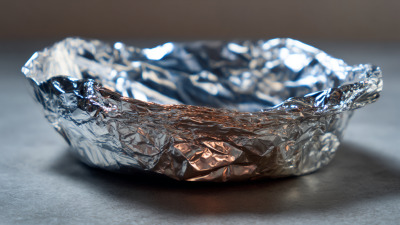
When wrapping food, ensure it is clean and dry. Lay the aluminum wrap flat. Place the food at one end, leaving some space at the edges. Roll it tightly, pressing out excess air. Seal the edges to prevent exposure. This method can keep leftovers fresh for days. Some people struggle with preserving moisture while avoiding freezer burn.
For optimal freshness, consider using multiple layers. A study shows that food wrapped in two layers of aluminum can stay fresher longer than single-layer options. Always label your food. People often forget what's in the freezer. Using dates can help avoid mystery meals later. Storing food improperly is common. Remember, the right technique makes all the difference.
Creative Uses of Aluminum Wrap in Meal Preparation and Cooking
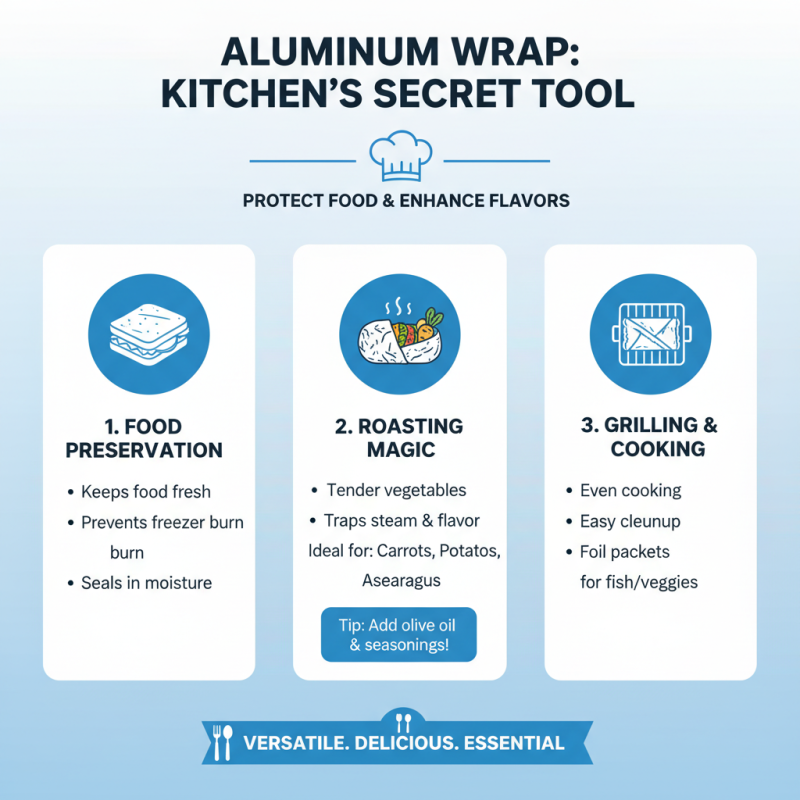
Aluminum wrap is a versatile tool in the kitchen. It protects food and enhances flavors. One creative use is wrapping vegetables before roasting. The wrap traps steam, making veggies tender and flavorful. You can try this with carrots, potatoes, or even asparagus. Just add a little olive oil and seasonings for a delicious side dish.
Another fun idea is creating a makeshift grill. You can wrap fish or chicken in aluminum before placing it on the grill. This method retains moisture and ensures even cooking. Just make sure the wrap doesn't touch the flames. It's easy to forget these details, leading to mishaps or overcooked meals.
Making snack portions is another practical use. Divide nuts or fruits into small, wrapped servings. This way, they stay fresh and easy to grab on the go. However, always check for tears in the wrap, as air can spoil snacks faster than expected. Sometimes, simple mistakes lead to wasted food. Using aluminum wrap mindfully can help reduce waste and keep meals organized.
Best Practices for Storing Leftovers with Aluminum Wrap
Storing leftovers with aluminum wrap can be simple and effective. Start by letting your food cool down. Hot food can create steam, which may cause sogginess. Once cool, cut a piece of wrap that is large enough to cover the food completely. Ensure no gaps are left open. This helps maintain freshness.
When wrapping, fold the edges neatly. Press firmly to remove any air pockets. These pockets can lead to freezer burn and dry spots. You might not get it right every time, and that's okay—practice makes perfect. Also, consider labeling your food with dates. It helps track how long items stay stored.
Remember, aluminum wrap is not ideal for all foods. Acidic foods can react with the aluminum, leading to off-flavors. Using a separate container for these items is wise. Sometimes, items end up in the back of the fridge, forgotten, only to be tossed out later. Regular check-ins can save you from waste.