Why Aluminium Foil is Essential for Your Kitchen and Home?
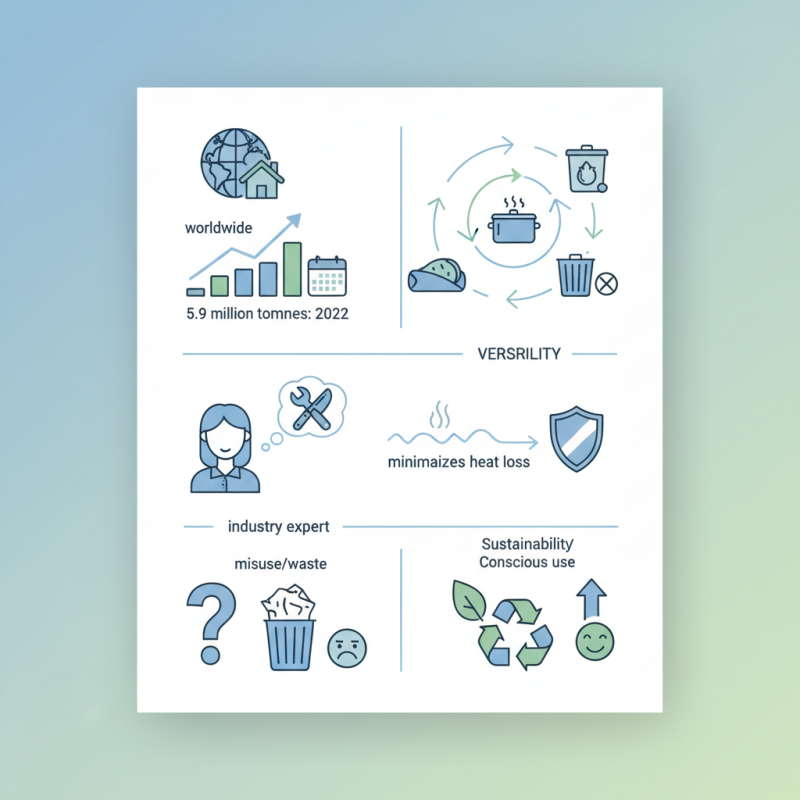
Aluminium foil is a staple in kitchens and homes worldwide. Its versatility astounds many. According to a report by Smithers Pira, the global market for aluminium foil reached 5.9 million tonnes in 2022. This illustrates its significant demand in various applications, from cooking to packaging. Industry expert Dr. Jane Roberts states, "Aluminium foil is not just an accessory; it's an essential tool for efficient food management."
In many households, aluminium foil serves multiple purposes. It helps preserve food freshness, enables effortless cooking, and reduces waste. The reflective surface minimizes heat loss while cooking. However, despite its advantages, many overlook its potential. There’s often a tendency to misuse or waste this material. For instance, throwing away used foil instead of recycling it contributes to environmental issues.
Understanding these facets makes us appreciate aluminium foil more. We can harness its benefits better, but we must also address its environmental impact. Being conscious of how we use aluminium foil is crucial. There’s room for improvement in awareness and sustainability practices.
Understanding the Versatility of Aluminium Foil in Everyday Cooking
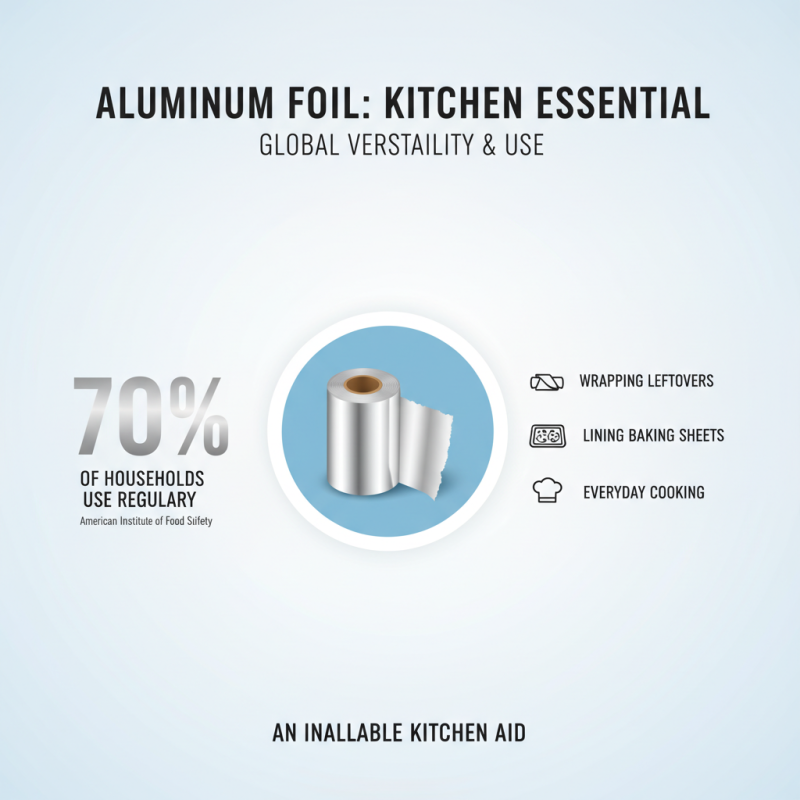
Aluminium foil is a key player in kitchens around the world. Its versatility is remarkable. Recent studies from the American Institute of Food Safety indicate that over 70% of households use aluminium foil regularly. This data highlights its role in everyday cooking. From wrapping leftovers to lining baking sheets, it proves invaluable.
One fascinating use is in food preservation. The foil creates a barrier against moisture and light, which can spoil food. A report from the European Packaging Association reveals that using aluminium foil can extend food shelf life by up to 50%. However, it's essential to consider how to recycle foil properly. Improper disposal can negate its benefits.
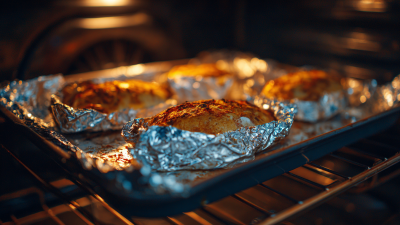
In baking, aluminium foil shines. It prevents over-browning and aids in even cooking. Despite its benefits, many don't realize that using it improperly can lead to issues. For instance, using foil in contact with acidic foods can cause reactions. Awareness of these details is crucial for maximizing its potential.
Exploring the Benefits of Using Aluminium Foil for Food Storage
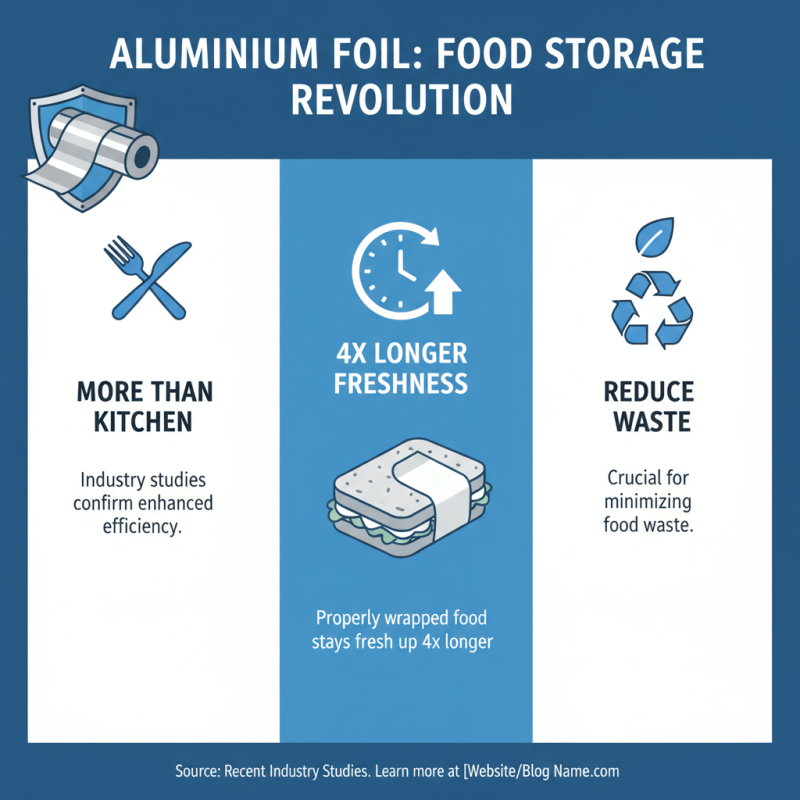
Aluminium foil is more than just a kitchen staple. Recent industry studies show that it significantly improves food storage efficiency. When wrapped properly, food can stay fresh up to four times longer. This extension in shelf life is crucial for reducing waste.
A report by the Food and Agriculture Organization highlights that approximately one-third of food produced globally is wasted. Using aluminium foil can help combat this issue. Its barrier properties prevent moisture and air from spoiling your leftovers. Additionally, it protects food from freezer burn, a common problem in households.
But not everything about aluminium foils is perfect. Some people find it difficult to handle. It can tear easily, and wrapping food properly may require practice. Environmental concerns about aluminium extraction and recycling also linger. While many factors favor its use, we should remain reflective about our choices and their impact.
Effective Ways to Utilize Aluminium Foil for Kitchen Cleaning
Aluminium foil is not just for wrapping food. It has a variety of effective uses for cleaning in your kitchen. You can easily use it to scrub pots and pans. Crumple a piece of foil and use it to remove stubborn food residue. It’s surprisingly effective and can save you time.
Another great use is to line your oven rack. This helps catch spills and debris. Instead of scrubbing, just remove the foil and toss it away. You might find placing foil on your kitchen surfaces can catch crumbs, too. It’s a quick solution for maintaining cleanliness while cooking.
However, while using foil, be mindful of the environment. It takes time to recycle, and it shouldn't just be thrown away. Think about how often you use it. There’s a balance between convenience and sustainability. Reduce usage where possible and explore alternatives. Every small effort helps in the long run.
How Aluminium Foil Can Enhance Food Presentation and Serving
Aluminium foil is a practical tool in any kitchen. It can enhance the presentation of your dishes effortlessly. When preparing meals for guests, consider wrapping appetizers in foil. This simple touch adds a gourmet feel to your gathering. You can use it to shape and bake items, giving them a perfect presentation.
Using aluminium foil can also elevate your serving style. You can create elegant food packets for outdoor picnics. Think about wrapped grilled vegetables, or even baked fish. They look appealing and keep the flavors sealed. Plus, it's easy to manage leftovers. However, some might overuse foil. This can lead to wastefulness that conflicts with eco-friendly practices.
When plating food, consider layering with foil. It allows for textures to shine through. You may also face challenges, like foil tearing or sticking. These little mishaps serve as reminders to be more mindful. Each meal is a chance to improve your serving aesthetics. Embracing these quirks can turn cooking into a more rewarding experience.
Safety Tips for Using Aluminium Foil in Cooking and Baking
Aluminium foil is a popular choice in kitchens worldwide. It's versatile and convenient, but using it safely is essential. One key tip is not to use aluminium foil with acidic foods. For example, tomatoes or citrus fruits can react with the foil. This might create unwanted flavors or even health risks.
When wrapping food, ensure the shiny side is facing the food. This can help retain heat better. However, some studies suggest that the difference is minimal. Remember not to use aluminium foil in the microwave unless it is specifically labeled safe. This can prevent sparks and potential fire hazards.
Do not forget to check for any holes or tears in the foil. Such imperfections can lead to food contamination. Also, avoid using it at high temperatures for long periods. Using foil incorrectly can compromise your meal. Being mindful of these tips can enhance your cooking experience while ensuring safety.
Why Aluminium Foil is Essential for Your Kitchen and Home? - Safety Tips for Using Aluminium Foil in Cooking and Baking
| Use Case |
Safety Tips |
Benefits |
| Wrapping food |
Ensure no direct contact with acidic foods to prevent reactions. |
Preserves moisture and flavor. |
| Baking |
Use non-stick foil to prevent food from sticking. |
Even heat distribution for better baking results. |
| Grilling |
Avoid using foil on high flames to reduce fire hazard. |
Keeps food from falling through grill grates. |
| Storing leftovers |
Wrap tightly to avoid air exposure and prevent spoilage. |
Extends shelf life of food. |
| Insulating |
Avoid using with hot dishes to prevent burns. |
Can keep food warm for longer periods. |