Why Are Flood Control Dams Essential for Global Safety?
Flood Control Dams play a crucial role in safeguarding communities worldwide. According to a report by the Global Flood Partnerships, these structures can reduce flood damages by up to 75%. Experts stress their importance, like Dr. Emily Harrison, who stated, "Flood Control Dams are essential for mitigating flood risks and protecting lives."
These dams not only regulate river flow but also create reservoir capacities. They contribute significantly to agriculture and water supply. Research indicates that effective management of flood control can save economies billions annually. In developing regions, the absence of such dams can lead to devastating losses, including loss of life and infrastructure.
However, challenges exist. Some dams cause ecological disruption. Maintaining dam integrity requires ongoing investment and expertise. As we push for more safety measures, it is vital to reflect on the ecological balance. Flood Control Dams are necessary, yet they prompt us to consider our environmental responsibilities. Balancing safety and ecological health is an ongoing discussion in the engineering community.
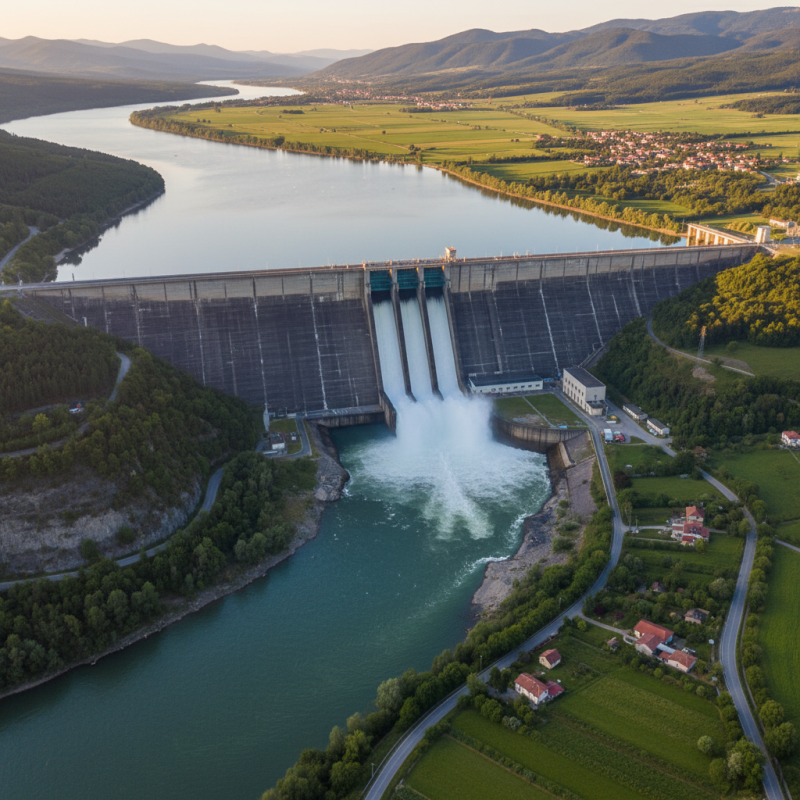
The Role of Flood Control Dams in Mitigating Natural Disasters
Flood control dams play a crucial role in reducing the impact of natural disasters. These structures help regulate water flow, preventing excessive flooding during heavy rains. For many communities, their presence can be a matter of safety. Without these dams, rivers can overflow, leading to devastating consequences.
Additionally, flood control dams contribute to water management and resource allocation. They store large volumes of water, which can be used during dry periods. However, these benefits come with challenges. Improper maintenance or design flaws can lead to dam failures, resulting in catastrophic flooding. Communities must prioritize regular inspections and updates.
Despite their advantages, not all flood control systems are perfect. Environmental concerns can arise, affecting local ecosystems. It's crucial to balance human safety and ecological integrity. Continuous evaluation and improvement of flood control measures are necessary to ensure they meet both safety standards and environmental needs.
Statistical Overview: Global Flood Impacts and Economic Losses
Floods can devastate communities and economies around the world. According to the United Nations, floods caused approximately $104 billion in economic losses globally in 2020 alone. Over 600 million people were affected by flooding that year. These statistics highlight the critical need for effective flood control measures.
Statistics indicate that major flooding events have increased by 60% over the last 30 years. Urban areas bear a disproportionate burden; the World Bank reports that up to 300 million urban dwellers could be at risk of flooding by 2050. In regions with inadequate flood management, losses can surpass 10% of local GDP. This reality shows the essential role of flood control dams.
Flood control dams are instrumental in mitigating these impacts. They hold back excess water, reducing peak flows downstream. However, not all dams are equally effective. Poor maintenance or inadequate design can lead to catastrophic failures. Identifying risks and improving infrastructure is essential for enhancing flood resilience. Investing in better technology can lead to smarter dam management, but challenges remain. Flood control measures must evolve continuously to meet the changing climate and urban landscape.
Engineering Principles: How Flood Control Dams Function to Manage Water
Flood control dams play a vital role in protecting communities from devastating floods. They are engineered structures designed to manage water flow, reduce flooding risks, and stabilize ecosystems. By holding back large volumes of water, these dams control heavy rainfall events. According to the U.S. Army Corps of Engineers, flood control measures can reduce flood damage costs by up to 90%. This protection is essential for both urban and rural areas.
The engineering principles behind flood control dams involve hydrology, geology, and structural design. Dams utilize a combination of spillways, gates, and retaining walls to manage water levels efficiently. For instance, spillways allow controlled water release during peak flow, preventing overflow. Effective maintenance is key to ensuring these systems operate at full capacity. A failure in design or upkeep can lead to catastrophic outcomes, underscoring the importance of regular inspections.
Tip: Regularly check local flood control measures. Community preparedness can mitigate risks.
Even with advanced technology, flood control systems are not infallible. Natural disasters can still overwhelm existing structures. Consequently, engineers must continuously adapt designs to accommodate changing climate patterns. Incorporating real-time data and predictive analytics can enhance dam performance. Communities at risk should engage with local authorities about flood safety and resilience plans.
Tip: Stay informed about local flood risks. Knowledge empowers better safety choices.
Global Flood Control Dams Overview
This chart displays the number of flood control dams in various regions around the world as of 2023. Flood control dams play a critical role in managing water levels, preventing flooding, and providing safety for communities through effective water management strategies.
Case Studies: Successful Flood Control Dams and Their Community Impact
Flood control dams play a critical role in safeguarding communities across the globe. In the United States, for instance, the Hoover Dam significantly reduced the risk of flooding in nearby areas. Built in the 1930s, it controls the flow of the Colorado River, protecting homes and agriculture downstream. Communities that once faced devastating floods now experience stability, partly due to this engineering marvel.
In India, the Bhakra Nangal Dam has transformed lives since it became operational in the 1960s. It not only controls floods but also provides irrigation and hydroelectric power. Farmers can reliably cultivate crops, ensuring food security. However, some residents have raised concerns. The dam's construction displaced many families, highlighting the need for careful planning and equitable solutions. Even successful projects have unintended consequences that require ongoing assessment and adjustment.
Through these case studies, it is clear that flood control dams have a profound impact. Communities thrive when their safety is prioritized. However, success must be measured against the backdrop of social responsibility and environmental awareness. Building these structures is just part of the equation; monitoring, maintaining, and improving them is essential for long-term community welfare.
Environmental Considerations: Balancing Flood Control with Ecosystem Health
Flood control dams play a crucial role in managing water levels, but their environmental impact is significant. These structures can disrupt local ecosystems. For instance, a report by the World Wildlife Fund found that over 40% of the world's rivers are affected by dams. This leads to habitat loss for various species, and some fishes are at higher risk of extinction.
Achieving a balance between flood control and ecosystem health is challenging. Studies indicate that multiple criteria must be considered, including water quality, sediment transport, and wildlife migration patterns. For example, providing fish ladders can help alleviate some negative impacts by allowing species to navigate around dams. However, implementing such solutions can increase operational costs and complexity.
Tip: Encourage local organizations to engage in watershed management programs. Communities can collaborate on monitoring and protecting ecosystems. This can lead to improved environmental outcomes while still addressing flood risks. Always consider the potential consequences of engineering applications on nature. Striking a balance remains an ongoing challenge for engineers and environmentalists alike.