What is a foil container and how to choose the best one?
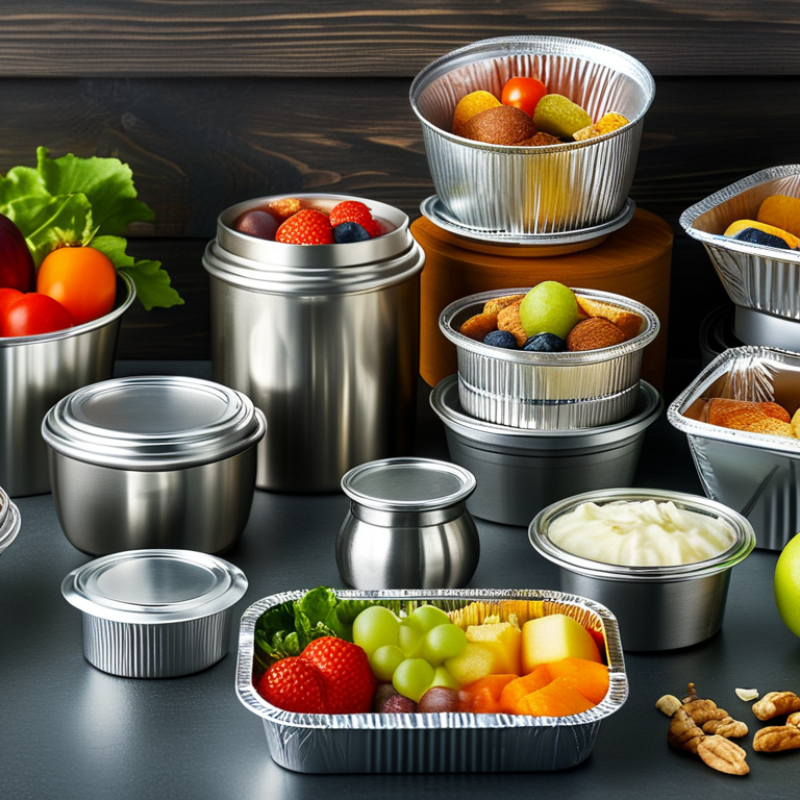
Foil containers are versatile tools in the kitchen. They have gained popularity for various cooking and storing tasks. Choosing the right foil container can make a big difference in your meal preparation and storage experience.
When selecting a foil container, you should consider its size, shape, and material quality. Different tasks require different types of containers. For instance, lightweight containers may work for baking, but sturdier ones are better for cooking heavier dishes. This attention to detail can enhance your cooking efficiency.
While foil containers offer many benefits, there are challenges. They can warp under high heat or be fragile when handling. Understanding these limitations is essential. By reflecting on your needs and preferences, you can make informed decisions. The right foil container can elevate your culinary experience.
What are Foil Containers and Their Common Uses in Cooking?
Foil containers are versatile tools in the kitchen. They are lightweight and can withstand high temperatures, making them ideal for a variety of cooking methods. Common uses include baking, roasting, and freezing. According to industry reports, the demand for foil containers has increased by over 15% in the past year. This rise reflects their growing popularity among home cooks and food professionals alike.
When choosing a foil container, consider size and shape. Small containers are perfect for individual servings, while larger ones are suitable for family meals. A 2022 market study revealed that 60% of culinary professionals prefer rectangular containers for baking. Circular options are often favored for roasting meats. Additionally, ensure the container is made from quality aluminum to prevent leaching during cooking. Some poorly made containers can warp or emit harmful substances when exposed to heat.
While foil containers are generally safe, it is essential to reflect on their environmental impact. Recycling programs vary by location, and many consumers remain unaware of how to dispose of them responsibly. Balancing convenience and sustainability is key. Understanding the correct uses and limitations of foil containers will enhance your cooking experience.
What is a foil container and how to choose the best one? - What are Foil Containers and Their Common Uses in Cooking?
| Type of Foil Container |
Common Uses |
Best Size for Cooking |
Advantages |
Considerations |
| Rectangular |
Lasagna, casseroles |
8x8 inches, 9x13 inches |
Good heat conduction, reusable |
Can warp under high temperature |
| Round |
Pies, cakes |
8 inches, 9 inches |
Great for baking and serving |
Limited to certain dishes |
| Deep Dish |
Soups, stews, sauces |
About 2 inches deep |
Holds large volumes, strong |
May take longer to heat |
| Disposable |
Cookouts, party trays |
Variety of sizes |
Convenient, no cleanup |
Less sturdy, not reusable |
| Foil Lids |
Sealing foil containers |
Standard sizes for various containers |
Prevents spills, reduces drying |
Single-use, may not fit all containers |
The Environmental Impact of Using Foil Containers in Food Packaging
Foil containers are often chosen for their convenience, but their environmental impact warrants serious consideration. These containers are recyclable, yet many end up in landfills. The process of recycling aluminum is energy-intensive. It can consume up to 95% less energy than creating new aluminum from raw materials. Still, not all recycling systems effectively handle foil products. This inconsistency leads to waste, despite the material's potential for reuse.
Using foil containers also contributes to a linear economy, where resources are used one time and discarded. The production of these containers generates greenhouse gases. While aluminum can be recycled, the number of times it can be reused is limited. This makes the reliance on foil containers an issue that requires reflection. Alternatives, like biodegradable packaging, arise in response to environmental concerns. However, they also come with their own set of challenges and may not be as readily available.
Communities are starting to recognize these dilemmas. They advocate for more sustainable packaging solutions. Education and awareness are crucial in making better choices. Consumers should be informed about the impact of their options. Simple changes, like opting for reusable containers, can lessen the footprint of food packaging significantly. It opens a conversation about responsibility towards our planet.
Key Features to Consider When Choosing Foil Containers
When selecting a foil container, several key features deserve attention. The material's thickness impacts durability. Thicker containers are sturdier and prevent leaks. Consider the type of food you plan to store. Some recipes need safe high-temperature options. Others require just a simple protective layer. The size is also crucial. Think about portion sizes and how many containers you need. A variety of sizes can help in meal prep and storage.
Lids are another essential feature. Containers with tight-fitting lids prevent spills and maintain freshness. Look for containers that can withstand freezing and reheating. Compatibility with various cooking methods, like grilling or baking, is valuable.
Reflect on the environmental impact too. Some foil containers are recyclable while others are not. This decision can contribute positively to sustainability. Consider how often you’ll reuse these containers. While quality is essential, cost should not compromise your choices. Finding a balance between affordability and reliability is necessary.
Industry Standards: Safe and Effective Foil Container Materials
Foil containers are popular in food packaging and preparation. They offer several benefits due to their material properties. However, not all foil containers are created equal. Understanding the industry standards for foil materials is crucial. Quality foil containers should be free from harmful chemicals and heavy metals. This ensures that food remains safe for consumption.
When selecting a foil container, consider the thickness and durability. Thicker foil can withstand temperature changes better than thinner options. It's also important to check for certifications that ensure the material meets safety regulations. Some containers are designed for single-use, while others are reusable. This choice can impact both cost and environmental considerations.
While many foil containers are functional, it's key to scrutinize their features. Some containers may tarnish, affecting the appearance of food. Others might not seal properly, leading to spillage or contamination. Always review the manufacturer's guidelines for optimal use. Being mindful of these details will help ensure that the selected foil container meets both safety and effectiveness.
Comparison of Foil Container Types
This chart shows the popularity index of different types of foil containers based on user preferences. Aluminum foil containers are the most popular, followed by biodegradable options, indicating a trend towards environmentally friendly products.
Comparative Analysis: Foil Containers vs. Other Food Packaging Options
Foil containers have become a popular choice in food packaging due to their unique properties. They are lightweight yet sturdy, making them ideal for various culinary needs. Unlike plastic containers, foil does not leach harmful chemicals into food. This feature is especially important for those conscious about food safety. Additionally, foil containers offer exceptional heat retention, ensuring that meals stay warm longer.
When comparing foil containers to other packaging options, several factors come into play. For instance, plastic containers are often less expensive but they can warp under heat. Glass containers are reusable, yet they can be heavy and prone to breaking. One of the potential downsides of foil containers is their single-use nature. Although they can be recycled, this depends on local recycling facilities. Sometimes, proper disposal methods may not be readily available.
In a crowded market of packaging solutions, it is crucial to evaluate each option carefully. Foil containers offer great benefits, but they may not be suitable for every situation. Understanding the intended use, cost, and environmental impact can help make better choices. Users should also consider the cooking method. For oven use, foil is an excellent choice, but its effectiveness diminishes when storing cold foods. Thus, reflecting on specific needs can lead to better decisions.