2026 How to Choose High Pressure Electric Ball Valve for Your Needs?
When selecting a High Pressure Electric Ball Valve, understanding its specifications is crucial. The global market for electric ball valves is projected to reach $5.2 billion by 2028, highlighting their growing importance in various industries. These valves are essential for applications that require tight shut-off and precise control under high pressure.
High pressure systems often encounter challenges. Data shows that up to 30% of valve failures are due to wrong specifications. This statistic underscores the significance of carefully evaluating your needs. Factors, such as maximum pressure ratings and material types, play a vital role in performance.
Compatibility with existing systems is also a challenge. A valve that does not integrate well can lead to inefficiencies and increased costs. Always consult with industry experts or reliable data sources to avoid costly mistakes. This not only reflects industry best practices but ensures the chosen valve meets specific operational requirements.
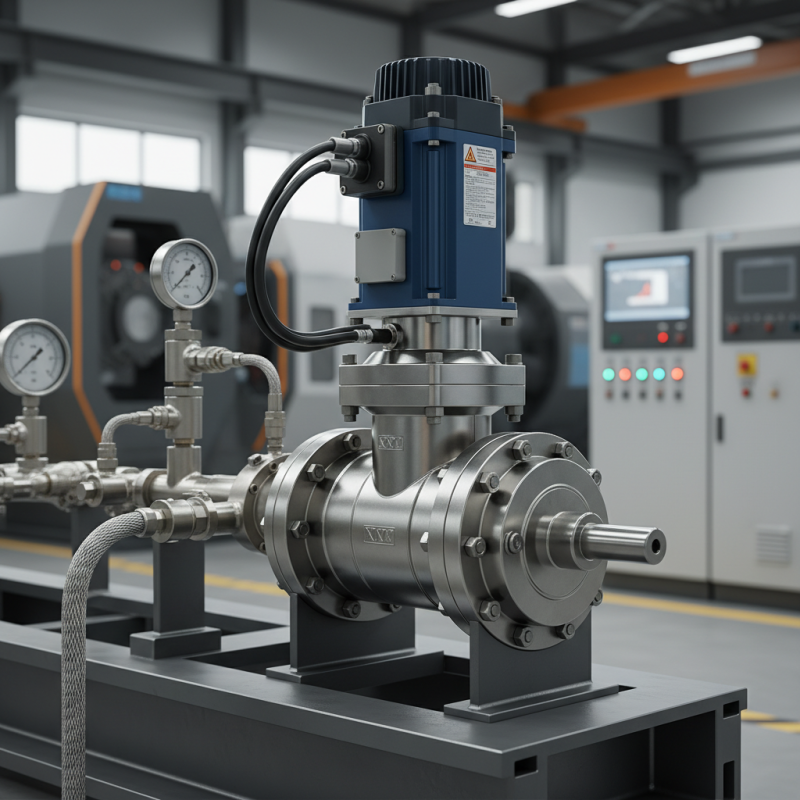
Understanding High Pressure Electric Ball Valves and Their Applications
High pressure electric ball valves play a crucial role in various industrial applications. These valves control fluid flow efficiently under high pressure. They are widely used in oil and gas, water treatment, and manufacturing sectors. Understanding their unique features is vital for anyone involved in these industries. These valves can handle large volumes of fluid, making them suitable for heavy-duty tasks. However, they may not always be the perfect fit for every situation.
Tips: When selecting a high pressure electric ball valve, ensure that you consider the valve's pressure rating and compatibility with your systems. An incorrectly chosen valve can lead to leaks or system failures. It's also essential to examine the materials used in valve construction. Inappropriate materials can result in corrosion and wear.
Additionally, recognize the importance of choosing the right actuator for your valve. Electric actuators offer precision and automation, but they may require specific power requirements. Ensure your system can support these needs. Balancing functionality with compatibility is key to enhancing system performance. Reflect on the long-term implications of your choice. A reliable valve can mean fewer maintenance issues down the line, while a poor choice can complicate operations.
Key Factors to Consider When Choosing a High Pressure Electric Ball Valve
Selecting the right high-pressure electric ball valve can be challenging. It's vital to consider several key factors. The valve's size and capacity are crucial. Ensure the valve can handle your specific flow rates and pressure levels. A mismatch here can lead to inefficiencies or even failures.
Material composition is another important aspect. High-pressure environments require robust materials like stainless steel or special alloys. These materials resist corrosion and withstand extreme conditions. Additionally, think about the valve's actuator type. Electric actuators offer precision and quick response times, but may need regular maintenance.
Don’t overlook the importance of certification standards. Check if the valve complies with industry regulations. This guarantees reliability and safety. Finally, consider the support and service offered by suppliers. Poor after-sales service can lead to prolonged downtimes. High-quality valves deserve attention and careful vetting.
Material and Construction Choices for Durability and Performance
Choosing the right materials for high pressure electric ball valves is crucial for longevity and reliability. Stainless steel is a popular choice due to its excellent resistance to corrosion and high temperatures. It's suited for harsh environments. Brass, while less expensive, may not withstand extreme pressures as effectively. Understanding your application helps guide this decision.
Construction quality also impacts performance. Look for valves with robust design features, like heavy-duty seals and well-tested actuators. A well-constructed valve can handle the pressure and provide consistent operation. Regular maintenance is essential too. Sometimes, even the best materials can fail without care.
It's important to reflect on your specific needs. Each application is unique, and what works for one might not work for another. Test your choices in real-world conditions whenever possible. This ensures the valve performs as needed. Balancing cost, material, and construction is key to your success. Your choices will affect the system's efficiency, safety, and overall functionality.
2026 How to Choose High Pressure Electric Ball Valve for Your Needs?
| Feature | Material | Construction Type | Pressure Rating (psi) | Temperature Range (°C) | Application |
| Body | Stainless Steel | Forged | 1500 | -20 to 200 | Oil & Gas |
| Ball | PVC | Molded | 100 | 0 to 60 | Water Treatment |
| Seat | PTFE | Composite | 600 | -10 to 130 | Chemical Processing |
| Stem | Stainless Steel | Welded | 1200 | -40 to 150 | Power Generation |
Voltage and Actuation Options for High Pressure Electric Ball Valves
When selecting high pressure electric ball valves, understanding voltage and actuation options is crucial. Industry data shows that electric actuators operate effectively at voltages like 24V, 110V, and 230V. Each voltage level comes with specific advantages. For instance, 24V systems often enable safer installations, especially in limited spaces.
Actuation types also play a key role. Proportional actuators deliver precise control, allowing for optimal flow regulation. On the other hand, on/off actuators provide faster operation, ideal for emergency shut-off scenarios. Studies indicate that up to 60% of valve-related failures are due to inadequate actuation choice. Thus, aligning your operational requirements with the appropriate actuation type is vital.
System compatibility is another essential factor. Choosing an electric ball valve with a compatible actuator can boost reliability. Historically, many firms have faced operational setbacks due to mismatched components. A well-documented case highlighted how a wrong voltage choice led to a 30% increase in energy consumption. Evaluating all these factors ensures the right fit for your high-pressure system.
Maintenance and Lifecycle Considerations for Reliable Operation
When selecting a high-pressure electric ball valve, maintenance and lifecycle considerations play a vital role in ensuring reliable operation. A well-maintained valve can operate efficiently for years. Neglecting maintenance can lead to unexpected failures and costly downtime.
Regular inspections of the valve’s components are essential. Check for signs of wear or corrosion. These inspections can help identify potential issues before they escalate. Make sure to follow the manufacturer's guidelines for maintenance schedules. Adhering to these can extend the operational life of your valve.
Tips: Always keep replacement parts on hand. This practice minimizes downtime when repairs are necessary. Document all maintenance activities to track performance over time. Consistency in maintenance is key to reliability.
Pay attention to the environment where the valve operates. Extreme temperatures or high humidity can affect performance. Consider protective measures, such as insulation or dehumidifiers, to enhance durability. Reflecting on these factors can lead to better valve selection and longevity. Prioritize reliable components that best fit your operational demands.