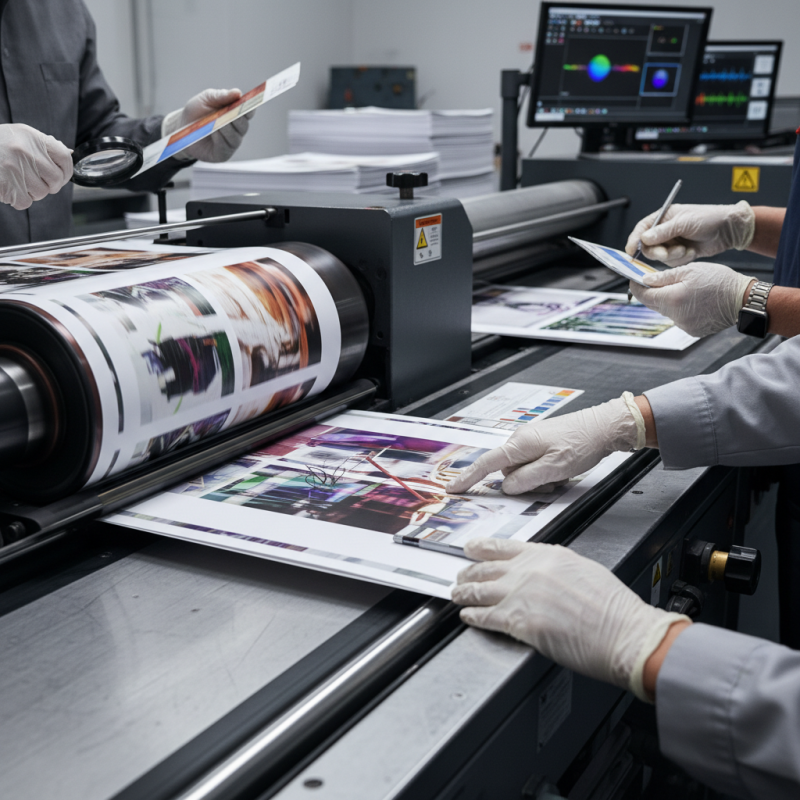
What is Offset Printing Inspection and Its Benefits for Buyers?
Offset Printing Inspection plays a crucial role in the printing industry. This process ensures quality control throughout the printing lifecycle. By systematically evaluating the prints, buyers can ensure their materials meet high standards.
The benefits of Offset Printing Inspection extend beyond just quality assurance. It helps identify issues early, reducing waste and saving costs. Many buyers find confidence in the consistent results it provides. However, even with thorough inspection, flaws may still slip through. This poses a challenge for both printers and buyers.
Moreover, embracing Offset Printing Inspection can enhance communication among stakeholders. This aligns expectations and improves overall satisfaction. Adopting a meticulous inspection process may seem overwhelming, but it is vital for maintaining product integrity. Ultimately, the focus on Offset Printing Inspection can drive better outcomes in the printing sector.
Understanding Offset Printing Inspection: An Overview
Offset printing inspection plays a crucial role in ensuring quality control. This process encompasses a range of evaluations conducted during the printing phase. According to industry reports, up to 30% of printed materials may have some form of defect if not properly inspected. Such defects include color inconsistencies, misalignments, or print smudges. These issues can significantly impact the final product's appearance and usability.
The inspection process can be broken down into several key areas. Color accuracy is one vital aspect that relies on precise measurements. For instance, Color Management Systems (CMS) report that 95% of companies see improved consistency when implementing rigorous inspection protocols. Automated inspection systems can help detect inconsistencies early, ensuring that print runs remain within acceptable boundaries. However, there are still limitations, such as technology not catching all minute errors.
While offset printing offers reliability, overlooking inspection can lead to costly reprints and dissatisfied clients. An analysis by the Printing Industries of America states that poor quality can affect brand perception, causing long-term damage. The need for a focused inspection process cannot be overstated. Investing in thorough inspection not only enhances product quality but also builds trust with consumers.
The Importance of Quality Control in Offset Printing
Quality control is essential in offset printing. This process ensures that the final product meets the buyer's expectations. Flaws in printing can lead to dissatisfaction. Inconsistent colors or misaligned images can damage a brand's reputation. Therefore, implementing robust inspection practices is crucial.
Offset printing inspection involves multiple steps. Professionals check samples at various stages. They assess color accuracy, alignment, and overall quality. This attention to detail helps catch mistakes early. It also fosters a culture of accountability within the printing team. However, even with strict guidelines, errors can slip through. Regular training and open communication can mitigate this.
Investing in quality control pays off. Buyers receive products that reflect their vision. They build trust with their customers and create lasting partnerships. Yet, the process requires continual improvement. Constantly reviewing inspection methods ensures that the quality remains high. Small adjustments today can lead to significant enhancements tomorrow.
Key Benefits of Offset Printing Inspection for Buyers
Offset printing inspection is a critical process that ensures quality in printed materials. Buyers benefit significantly when this inspection is part of the production cycle. One key advantage is enhanced accuracy. Inspecting prints can catch errors early, reducing costly reprints. Small mistakes, like color discrepancies, can impact brand image.
Another benefit is consistency. Regular inspections lead to uniformity in print runs. This is essential for businesses that require brand identity adherence. Buyers can expect their prints to match specified standards consistently.
However, not all printing companies prioritize this inspection, leading to varied results.
Lastly, offset printing inspection promotes trust. Buyers can take comfort knowing their products meet quality benchmarks. Choosing a supplier that implements strict inspection protocols fosters long-term relationships. While this may increase upfront costs, the time and resources saved in the long run are undeniable. Ensuring quality can sometimes be a challenge, but the investment often pays off.
Industry Standards and Metrics for Offset Printing Quality
Offset printing quality relies heavily on industry standards and metrics. ISO 12647 is a key standard for process control in graphic reproduction. It helps ensure consistency across different print jobs. This standard defines parameters such as color accuracy, registration, and tone value. Following such benchmarks minimizes variations in printed materials.
Moreover, metrics like Print Contrast and Solid Density are crucial in evaluating print quality. A 2021 industry report indicated that 40% of printers struggle with maintaining solid density levels. This can lead to inconsistent colors and poor print quality. Regular inspections and adherence to these metrics can help mitigate these issues. Buyers benefit significantly when print products meet these stringent quality measures.
Investing in technology that automates quality inspections is becoming common. Studies show that automation can reduce inspection time by 30%. However, reliance on technology alone isn’t perfect. Human oversight is still needed to catch nuanced defects that machines might miss. Understanding both the standards and the imperfections in the process is key to achieving high-quality offset printing.
Offset Printing Quality Metrics
This bar chart represents key quality metrics in offset printing, showcasing the percentage scores achieved for various attributes such as color consistency, registration accuracy, print density, surface finish, and ink transfer efficiency. These metrics are crucial for buyers to evaluate the finished product's quality.
Cost Savings and Efficiency Gains Through Effective Inspection Processes
Offset printing inspection is crucial for ensuring quality and consistency. Effective inspection processes can lead to notable cost savings. By identifying defects early, companies can avoid expensive reprints. This proactive approach reduces waste, leading to more efficient production cycles.
In addition, thorough inspections enhance operational efficiency. They allow for quick adjustments during the printing process. By maintaining high standards, businesses can meet client expectations consistently. This fosters trust and long-term relationships with buyers. However, not all inspection processes are flawless. Some methods may overlook subtle defects, leading to potential issues later.
Investing in advanced inspection technologies can bridge these gaps. Utilizing automated systems can increase accuracy and speed. Yet, these systems require proper calibration and maintenance. Regular training for staff is essential. This ensures everyone is equipped to recognize and address quality issues promptly. Enhanced inspection not only preserves quality but also promotes a culture of continuous improvement in printing operations.
What is Offset Printing Inspection and Its Benefits for Buyers? - Cost Savings and Efficiency Gains Through Effective Inspection Processes
| Inspection Aspect | Description | Benefits | Estimated Savings (%) | Efficiency Gain (%) |
| Color Consistency | Ensures that colors match throughout the print run. | Reduces reprints and material waste. | 15% | 20% |
| Registration Accuracy | Measures alignment of printed layers. | Minimizes defects and enhances print quality. | 10% | 15% |
| Print Density | Monitors ink coverage on the substrate. | Ensures uniformity and reduces ink costs. | 12% | 25% |
| Surface Inspection | Checks for abnormalities like scratches or spots. | Enhances customer satisfaction by ensuring quality. | 8% | 10% |
| Final Product Evaluation | Comprehensive assessment of the finished product. | Ensures compliance with specifications and reduces returns. | 20% | 30% |