How to Use Foil Packaging for Optimal Product Freshness
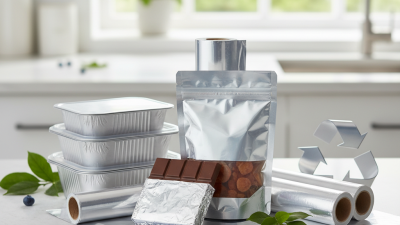
In the world of packaging, foil packaging stands out for its incredible ability to preserve freshness. This protective barrier is crucial for various products, from snacks to pharmaceuticals. It prevents moisture, light, and air from spoiling items, making it a popular choice globally.
Companies often overlook the importance of proper sealing techniques. An imperfect seal can lead to product degradation and diminish the intended freshness. Everyday consumers may not realize how their storage practices affect product longevity. Resealing foil packaging after use can be a simple yet effective tip.
Foil packaging is versatile and adaptable. However, some might underestimate its effectiveness due to a lack of information. It’s easy to take foil for granted, assuming all packaging is equal. Understanding the specifics of foil packaging can lead to better product experiences and less waste. This insight can provoke reflection on current packaging choices and habits.
Understanding the Benefits of Foil Packaging for Freshness Preservation
Foil packaging offers remarkable benefits for freshness preservation. It acts as a barrier against moisture, light, and air, significantly extending product shelf life. According to industry reports, using foil can reduce oxygen exposure by up to 95%. This is crucial for sensitive items like snacks and pharmaceuticals, ensuring that they remain potent and flavorful.
Consider the importance of airtight seals. These ensure that products are less susceptible to spoilage. For instance, studies show that products stored in foil can retain their freshness up to 50% longer compared to conventional packaging. This reduction in spoilage can lead to significant cost savings for manufacturers and retailers alike.
Tips: Choose foil packets with a vacuum seal. They offer enhanced protection. Also, remember to store foil-packaged products in cool, dark places. This minimizes any potential degradation caused by light exposure. However, think twice about bulk purchasing if you're unlikely to consume products quickly. Foil packaging excels at preserving freshness, but overbuying can lead to wasted items.
Types of Products That Benefit from Foil Packaging
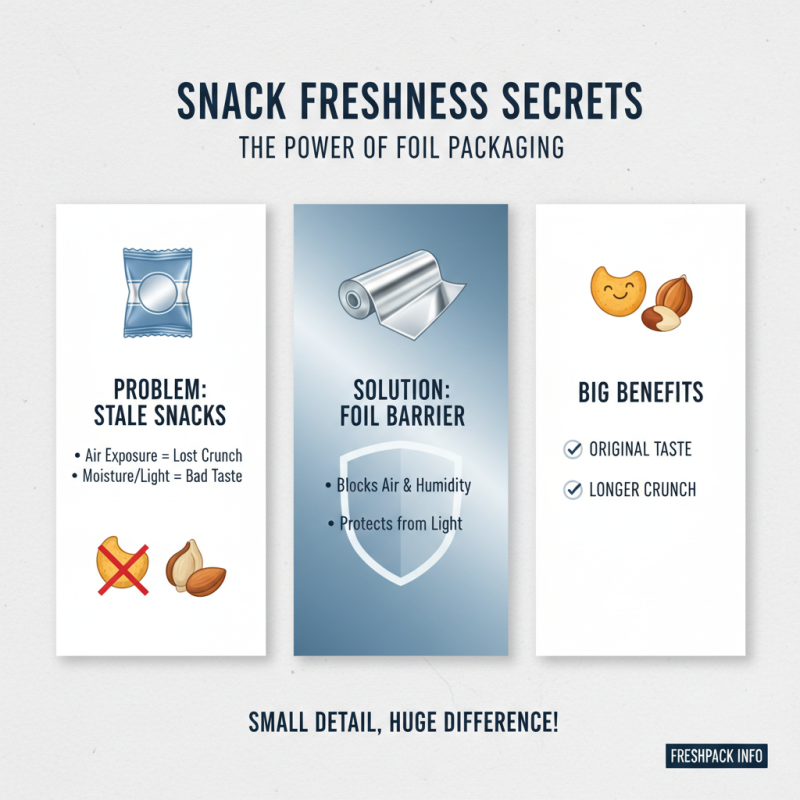
Foil packaging serves various products exceptionally well. It is particularly beneficial for snacks like chips and nuts. These items often lose freshness quickly due to exposure to air. Foil prevents moisture and light from entering. This helps maintain their original taste and crunch. It's a small detail but makes a huge difference.
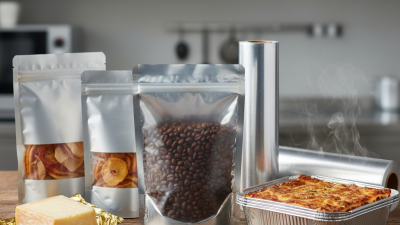
Other products like coffee and spices also thrive in foil packaging. Coffee beans remain flavorful when sealed properly. Spices retain their vibrant colors and aromas. The barrier properties of foil keep odors at bay, too. However, not all foil packages are created equal. Some may not seal tightly, leading to wasted product. It's essential to consider the packaging quality to truly benefit from foil.
Many might overlook the importance of foil for items like cheese. The right foil can keep cheese fresh and prevent it from drying out. However, if the package isn't airtight, it can spoil. That’s a risk worth avoiding. Exploring foil options carefully can elevate product longevity significantly. It’s an area to reflect upon for better preservation methods.
Best Practices for Sealing and Storing Foil Packaged Products
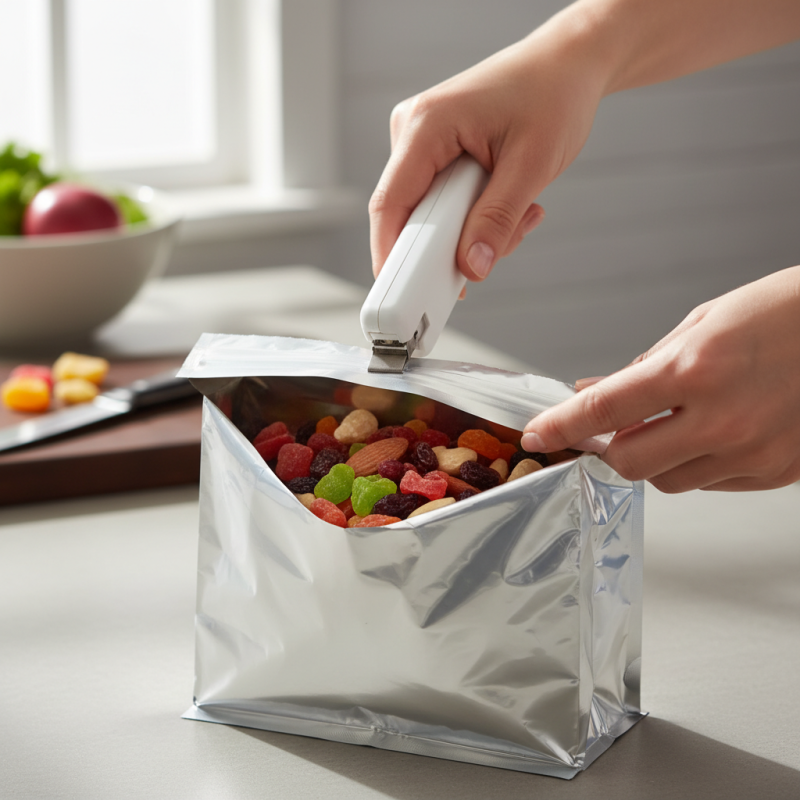
Foil packaging is a powerful tool for maintaining product freshness. Proper sealing is essential. According to industry reports, the sealing process can affect oxygen permeability. Products sealed improperly may spoil faster. It's crucial to ensure a tight seal to prevent air and moisture from entering.
When storing foil packaged goods, location matters. A cool, dry place is best. Exposure to heat can degrade packaging quality. The ideal storage temperature is often below 75°F (24°C). Research shows that products stored in this range maintain optimal freshness longer. However, remember that even foil cannot eliminate all risks.
Consider the type of product you're storing. Some items may still perish despite foil protection. Always check the packaging integrity before use. Any holes or creases might compromise freshness. Ultimately, understanding these factors can lead to better preservation practices. Frequent evaluation of your packaging process is key.
Tips for Recycling and Disposing of Foil Packaging Sustainably
Foil packaging is effective for keeping products fresh. However, many consumers struggle with how to dispose of it sustainably. In the United States, about 1.5 million tons of aluminum foil are used annually, yet a significant portion ends up in landfills. Aluminum can take up to 200 years to decompose. This raises concerns about environmental impact.
Recycling foil packaging can be challenging. Many recycling facilities do not accept contaminated foil. It's essential to clean the foil before recycling. According to the Aluminum Association, recycling aluminum saves 90% of the energy needed to produce new aluminum from raw materials. Despite this potential, only 45% of aluminum packaging is recycled. Even more troubling, many people remain unaware of local recycling guidelines.
Awareness is key. Communities must educate consumers about proper disposal methods. Foil packaging could be turned into new products, if recycled correctly. Foil can have a second life in various applications, but first, it must be recycled properly. Improving recycling rates can have a positive environmental impact. We can promote sustainable practices, but it requires collective effort and responsibility from both consumers and manufacturers.
How to Use Foil Packaging for Optimal Product Freshness - Tips for Recycling and Disposing of Foil Packaging Sustainably
| Product Type |
Optimal Foil Use |
Recycling Tips |
Disposal Instructions |
| Chocolate |
Wrap tightly to prevent air exposure. |
Rinse lightly and check local guidelines. |
If not recyclable, dispose in general waste. |
| Baked Goods |
Seal in foil to maintain moisture. |
Clean before recycling when applicable. |
Dispose of used foil in trash. |
| Fresh Vegetables |
Wrap loosely to allow breathing. |
Check if local facilities accept clean foil. |
Throw away if not accepted for recycling. |
| Cheese |
Wrap tightly to retain flavor and moisture. |
Clean and separate from other materials. |
Dispose of in general trash if not recyclable. |
Common Mistakes to Avoid When Using Foil Packaging for Freshness
Foil packaging is great for preserving freshness, but common mistakes can undermine its benefits. One common error is not sealing the package tightly. Gaps allow air to enter, which can lead to spoilage. Always check for wrinkles or tears before sealing.
Another frequent mistake is exposing foil packaging to heat sources. The temperature can affect the integrity of the packaging. Keep foil-wrapped products in a cool, dry place. High heat can compromise freshness, and products can quickly lose flavor and texture.
Tips for using foil packaging effectively include labeling your products. Write expiration dates on the foil for easy reference. This helps avoid accidentally consuming spoiled items. Also, avoid using damp hands when handling foil packages. Moisture can create openings, allowing air to seep in. Pay attention to these details for better results.
Foil Packaging Freshness Retention Study