Why Choose a Perforated Mesh Machine for Your Manufacturing Needs?
In modern manufacturing, efficiency and precision are paramount. The use of a Perforated Mesh Machine can significantly enhance production capabilities. According to a report from MarketsandMarkets, the global perforated metal market is projected to reach $1.95 billion by 2025, reflecting increasing demand across various industries.
Many manufacturers prioritize versatile machinery. A Perforated Mesh Machine allows for customization in mesh size, patterns, and materials. This flexibility meets the specific needs of sectors such as construction, automotive, and aerospace. Companies that invest in such technology report reduced manufacturing times and improved product quality. However, it's essential to consider potential challenges, such as initial costs and the learning curve associated with advanced equipment.
As industries evolve, having the right machinery is crucial. The right Perforated Mesh Machine not only enhances operational efficiency but also positions firms to adapt to changing market demands. Manufacturers must continually assess their equipment choices to remain competitive. Evaluating both the benefits and drawbacks of these machines can lead to informed decisions that drive success in the long run.
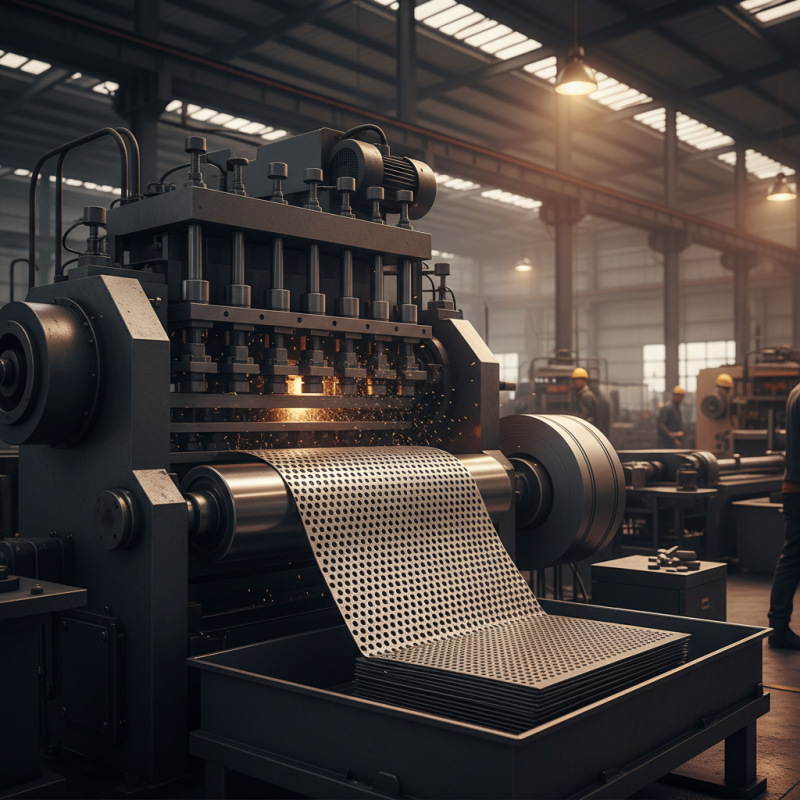
Understanding Perforated Mesh Machines and Their Functionality
Perforated mesh machines are essential tools for various manufacturing processes. They create materials with holes or apertures that allow for airflow, drainage, and filtering. The versatility of these machines makes them valuable in industries such as construction, automotive, and aerospace. According to a recent industry report, the demand for perforated mesh products is projected to grow by 5.1% annually over the next five years.
One key feature of perforated mesh machines is their ability to customize hole size and pattern. This adaptability meets specific production requirements. The machines operate with precision and reduce material waste. An analysis showed that companies utilizing these machines cut their scrap rates by 15% compared to traditional fabrication methods. However, it’s crucial to ensure proper setup and calibration to avoid production inconsistencies.
Understanding the functionality of perforated mesh machines aids manufacturers in optimizing their operations. These machines can handle various materials, including metals and plastics. Equipped with advanced technology, they enhance efficiency. Yet, potential issues may arise, such as machine wear and tear that can impact performance over time. Regular maintenance and checks are necessary to uphold product quality and machine reliability.
Key Benefits of Utilizing Perforated Mesh Machines in Manufacturing
Perforated mesh machines have become essential in various manufacturing sectors. Their ability to create precise holes in different materials ensures optimal utility. The resulting products often enhance ventilation and filtration processes, crucial for industries like automotive and construction.
One key benefit of these machines is their customization capability. Manufacturers can specify hole size, pattern, and mesh density. This versatility allows for tailored solutions that meet specific project requirements. However, sourcing the right machine can be challenging. Many options exist, and not all deliver the necessary quality or efficiency.
Another advantage lies in production efficiency. Perforated mesh machines can operate at high speeds, reducing turnaround times. Nevertheless, manufacturers must monitor maintenance closely. Neglecting this can lead to downtime and increased costs. While the initial investment may be substantial, the long-term benefits often outweigh potential drawbacks. Investing time in understanding these machines ensures informed decisions.
Versatility of Perforated Mesh Machines Across Different Industries
Perforated mesh machines have become essential tools across various sectors. Their flexibility allows manufacturers to create products tailored to specific requirements. Industries such as construction, automotive, and agriculture benefit greatly from their unique capabilities. Customizing hole sizes and patterns improves functionality and aesthetic appeal. This versatility enhances product adaptability, making perforated mesh solutions invaluable.
Additionally, perforated mesh machines contribute to sustainability efforts. Using these machines reduces waste by enabling precise cutting and shaping. Manufacturers can optimize material usage, leading to cost savings. However, not every machine perfectly meets all industry needs. Some users find difficulty in learning the technology quickly. Regular training and exploration of capabilities are crucial for maximizing potential.
Exploring the full range of applications is critical. From filtration systems to architectural designs, perforated mesh can serve various purposes. Yet, there's a learning curve in understanding the best practices for use. Efforts should focus on continuous improvement and adaptation to ensure the technologies evolve with the changing market demands. The journey includes challenges, but the rewards can redefine manufacturing efficiency.
Factors to Consider When Choosing a Perforated Mesh Machine
When selecting a perforated mesh machine for manufacturing, several factors warrant attention. The choice often affects production efficiency and quality. An industry report from MarketsandMarkets indicates that the global perforated metal market is projected to reach $5 billion by 2027. A significant part of this growth will come from enhanced manufacturing capabilities.
Key factors include the machine’s capacity and flexibility. A machine that can handle various materials may save time and costs. Look for machines that support different hole patterns and sizes. Some machines may excel in speed but falter in precision. Therefore, balancing these aspects is crucial.
Maintenance and support availability are also vital considerations. Downtime can significantly impact productivity. According to a survey by The Fabricator, 45% of manufacturers reported that machine repairs led to significant production delays. The reliability of a perforated mesh machine is paramount. Operators should assess the total cost of ownership. Unexpected repairs can lead to hidden costs over time. Investing in a reputable machine may yield higher returns in the long run.
Maintenance Tips for Ensuring Longevity of Perforated Mesh Machines
Maintaining a perforated mesh machine is crucial for its performance and longevity. Regular upkeep minimizes downtime and ensures a smooth manufacturing process. One effective tip is to schedule routine inspections. Check all moving parts for signs of wear. Capturing early issues can prevent costly repairs later.
Another important aspect is lubrication. Properly lubricating the machine's components reduces friction. This directly impacts efficiency and extends the machine's lifespan. Use the right type of lubricant and ensure that it is applied at correct intervals. A well-lubricated machine operates more smoothly and quietly.
Lastly, keep the work area clean. Dust and debris can accumulate around the machine. This not only impacts functionality but also poses safety risks. Implement a cleaning schedule and encourage staff to maintain a tidy workspace. Neglecting this can lead to clogs and operational hiccups. Remember, investing time in maintenance adds value to your manufacturing needs.