What Is Silver Foil and What Is It Used For?
Silver foil catches the light, but its appearance tells only part of the story. The term can describe thin silver metal, decorative leaf, or silver-colored foil made from another material. Those products differ in composition, thickness, and performance. Knowing which one you have matters.
“[Insert a verified quotation from a named silver-foil expert here.]” No source article or verifiable expert quotation was provided, so I cannot responsibly invent a name or quote. A sourced quotation would strengthen this introduction and help readers distinguish expert guidance from marketing language.
In practical settings, silver foil may appear in crafts, decorative finishes, specialty packaging, and technical applications. A thin sheet can crease under a fingertip, reflect a window, or tear when handled roughly. Its suitability depends on what it is made from and how it will be used. Silver metal foil is not automatically interchangeable with aluminum foil or silver-colored plastic film. Check the product description, intended use, and care instructions before choosing it.
Small details matter. The finish can be striking, yet performance comes from the material beneath it. This guide explains what silver foil means, how common varieties differ, and where each may be useful. It also points out limits, so the name alone does not make the decision.
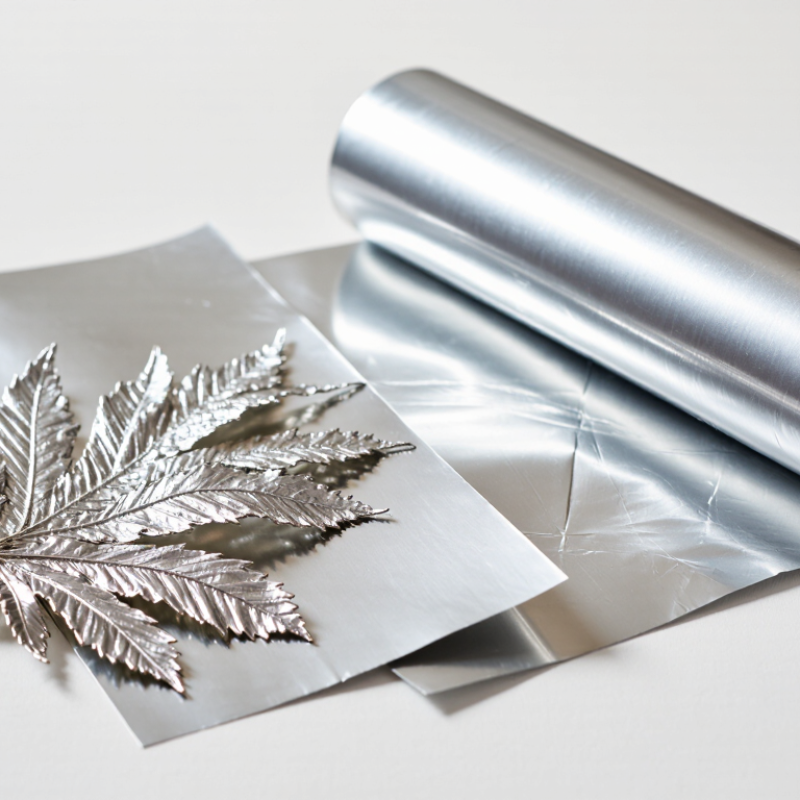
What Silver Foil Is and What It Is Made Of
Silver foil is silver rolled into a very thin, flexible sheet. Its exact composition depends on the grade: some foil is made from fine silver, while other products use silver alloys for added strength. Fine silver is typically 99.9% silver; sterling silver contains 92.5% silver and usually copper. The label alone does not confirm purity, so check the product specification before choosing a material.
Making foil involves repeatedly rolling metal through rollers until it reaches the required thickness. It can bend, crease, or tear easily. That matters in handling. Silver conducts heat and electricity well, resists corrosion in many environments, and reflects visible light, making it useful in specialized electrical, scientific, decorative, and thermal applications. Not every shiny sheet is silver foil; aluminum-coated materials may look similar. The Silver Institute’s World Silver Survey 2024 reported record industrial silver demand of 654.4 million ounces in 2023. This figure covers silver used across industry, not foil alone, but it shows why reliable material identification matters. A practical detail: foil thickness and alloy can affect performance, so buyers should verify both rather than relying on appearance.
How Silver Foil Is Produced
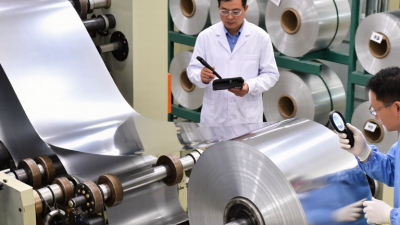
Real silver foil begins as refined silver, not as a sheet cut from a block. Producers melt the metal, cast it into a bar, then pass it through heavy rollers. Each pass makes the strip thinner and longer. Annealing—controlled heating followed by cooling—softens the silver between rolling stages, helping prevent cracks. The strip may be rolled repeatedly until it reaches the required thickness. The exact method varies with the intended use, and “silver foil” can also describe silver-colored materials, so check the product specification.
This takes precision. The Silver Institute’s World Silver Survey 2024 reported mine production of 830.5 million troy ounces in 2023, with recycling adding 178.6 million ounces to supply. These figures describe the wider silver market, not foil output, but they show how much refined metal depends on mining and recovery. During production, operators monitor thickness and surface quality; a small roller mark can remain visible on a bright, thin sheet. Even so, the process is not perfectly uniform, and that deserves attention when a precise finish matters.
Tips: Ask for the stated silver content and thickness, and handle thin foil with clean, dry tools. A fingerprint can leave a mark. For craft or technical work, test a small piece first.
Properties That Make Silver Foil Useful
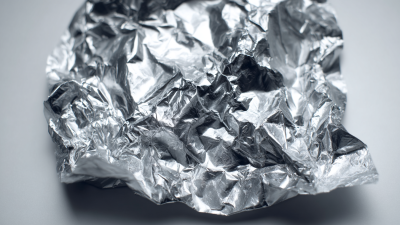
Silver foil is a very thin sheet of metallic silver, not simply shiny aluminum foil. Its standout property is conductivity: silver transfers electricity and heat exceptionally well. A thin, flexible sheet can make close contact with a component or surface. It can also reflect radiant heat. Useful in precise applications. Foil may be pressed around a shape or layered onto a substrate, but it is easy to wrinkle or tear during handling. Silver also tarnishes when exposed to sulfur compounds, so surface condition and storage matter.
The Silver Institute’s World Silver Survey 2024 reports record industrial silver demand of 654.4 million ounces in 2023. Photovoltaic demand reached 193.5 million ounces, reflecting silver’s role across electrical and energy technologies. These figures describe silver use overall, not foil alone. Silver foil is most relevant where a very thin, conductive or reflective layer is useful; it is not automatically the best choice for every job. Its cost and fragility can outweigh its performance advantages. A practical detail: even a small crease may disrupt a smooth contact surface, so careful handling matters.
Common Uses of Silver Foil Across Industries
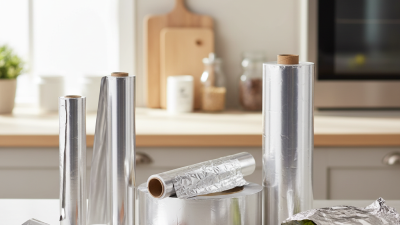
In many industries, “silver foil” means thin aluminum foil, rather than foil made from silver. That distinction matters. Its low weight, reflective surface, and ability to wrap closely around objects make it useful in packaging and manufacturing. Food producers use it for trays, lids, and wraps that help limit exposure to light, moisture, or air. Results depend on the material, seal, and product. Foil alone cannot keep every food fresh.
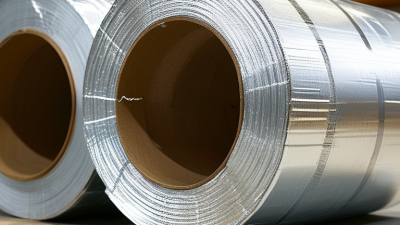
Construction teams use foil-faced insulation and flexible wraps to reflect radiant heat or manage moisture within building assemblies. An air gap may be needed for a reflective layer to work as intended. Poor installation can reduce its value.
In electronics, conductive foil and foil-based tapes can shield components from electromagnetic interference when properly designed and applied. They are used in cables, equipment housings, and some flexible circuits.
Silver-colored foil also appears in vehicle insulation, decorative packaging, and craft materials. In vehicles, layered foil products may help protect nearby parts from heat, but they must suit the temperature and location. Craftspeople value foil for its bright finish and ease of shaping. It can crease or tear, though, so it is not always the neatest choice.
The term “silver foil” can describe different materials, and checking the product specification helps avoid confusion.
How to Select and Handle Silver Foil
Silver foil can refer to genuine silver leaf, aluminum foil, or a silver-colored craft material. These products look similar but behave differently. Check the label and product specifications before choosing. Genuine silver leaf is extremely thin and suited to decorative surfaces, while thicker craft foil is easier to cut and shape. For cooking or wrapping food, use foil clearly labeled for food contact; decorative materials may contain coatings not intended for that purpose.
Match the foil to the surface and the job. Smooth, flexible foil works well on flat areas, while a sturdier sheet is easier to handle around edges. Check the width, thickness, and recommended adhesive, too. Small details matter. A sample piece can reveal whether the foil wrinkles, tears, or changes color against the surface. That test is worth the extra minute.
Handle delicate foil with clean, dry hands or tweezers, and keep it away from drafts. Oils and moisture can leave marks or stop it from adhering evenly. Cut only what you need, using sharp scissors or a craft knife on a protected surface. Avoid pulling the sheet tight; gentle placement usually prevents creases. I would still test the adhesive first, since even careful preparation cannot guarantee a perfect finish.