Top Uses for Tin Foil Sheets: Cooking Tips, Hacks, and Safety Precautions
In the realm of culinary arts and kitchen hacks, tin foil sheets have emerged as an indispensable tool, praised for their versatility and convenience. According to a recent study conducted by the Food Packaging Institute, about 94% of households in the United States utilize aluminum foil in some capacity, underscoring its popularity not only for cooking and storage but also as a problem-solving tool in various kitchen tasks. The lightweight nature and heat-resistant properties of tin foil sheets make them ideal for everything from roasting vegetables to wrapping leftovers, effectively minimizing waste and enhancing food preservation.
As trends shift towards sustainable cooking practices, the role of tin foil sheets becomes even more relevant. A report by the International Aluminum Institute noted that aluminum can be recycled indefinitely without losing its integrity, making tin foil a more environmentally friendly option when used and disposed of responsibly. Moreover, culinary experts advocate for a range of innovative uses of tin foil sheets, from creating makeshift baking trays to optimizing grill performance, showcasing their potential beyond traditional applications. Emphasizing proper techniques and safety precautions can further enhance the effectiveness of tin foil sheets in the kitchen, making them a staple in both everyday cooking and special meal preparations.
Common Cooking Techniques with Tin Foil Sheets
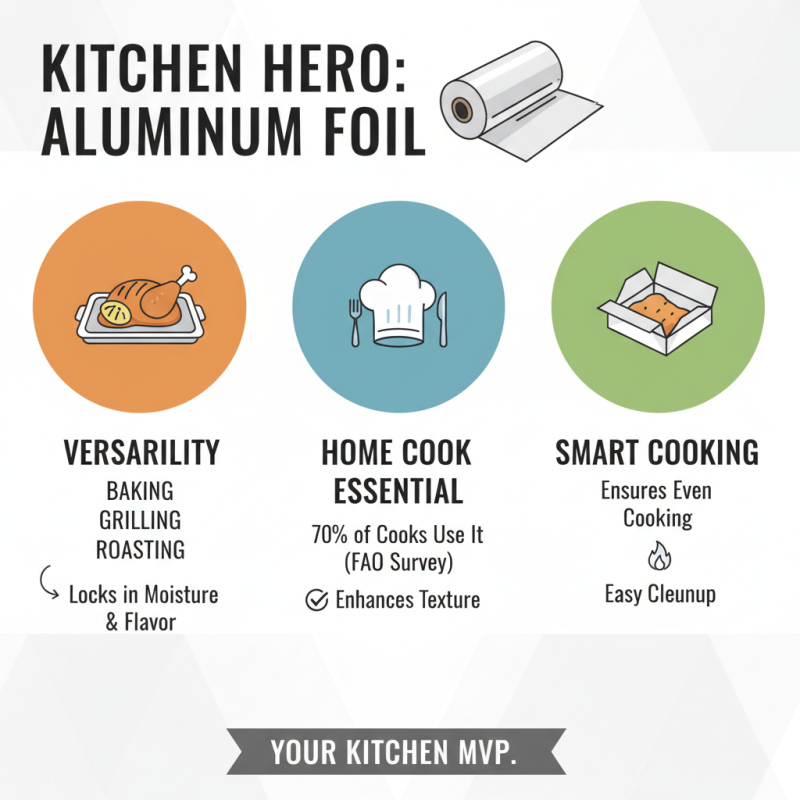
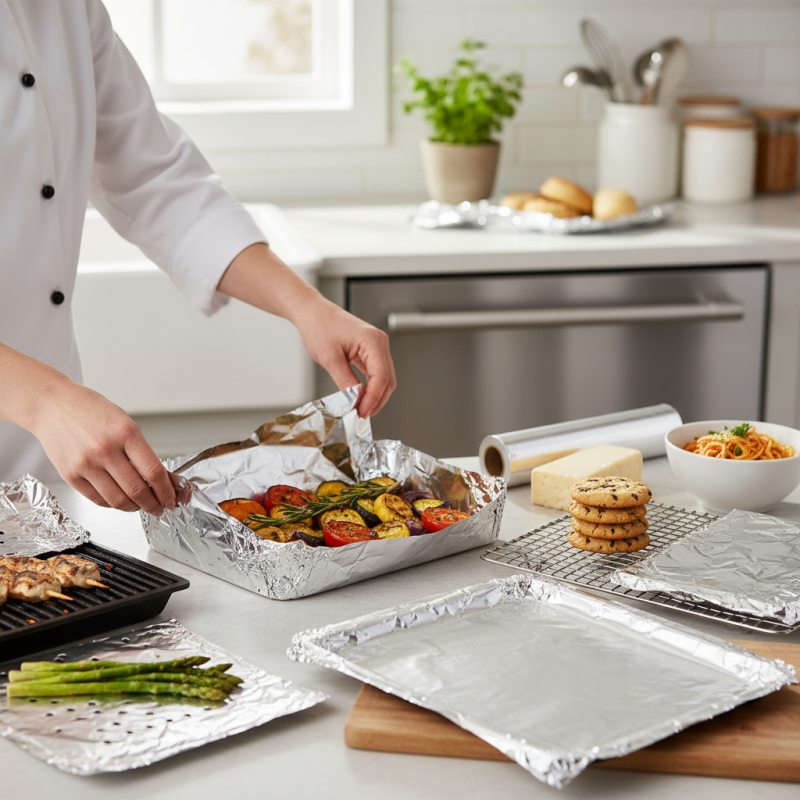
Tin foil sheets have become a staple in many kitchens due to their versatility in various cooking techniques. One of the most common methods is wrapping food for baking, grilling, or roasting, which helps keep moisture in and ensure even cooking. According to a survey by the Food and Agriculture Organization, nearly 70% of home cooks utilize aluminum foil in meal preparation, highlighting its importance in enhancing flavor and texture.
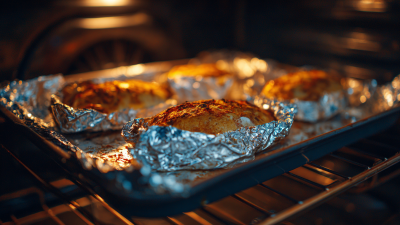
Using tin foil in the cooking process can transform simple dishes into gourmet meals. For instance, creating foil packets for vegetables or fish not only simplifies cleanup but also allows for unique flavor combinations as steam is retained. When it comes to grilling, wrapping food in foil protects it from direct heat and minimizes the risk of burning, resulting in perfectly cooked meals every time.
Tips: When using tin foil, it's essential to avoid using it with acidic foods, as this can cause a reaction that affects flavor and safety. For optimal cooking, make sure to use the shiny side facing the food, as it reflects heat better. Additionally, always allow for some space when wrapping to let steam escape, ensuring a well-cooked dish without any sogginess. Incorporating these simple hacks can elevate your cooking game significantly.
Creative Hacks for Everyday Kitchen Uses of Tin Foil
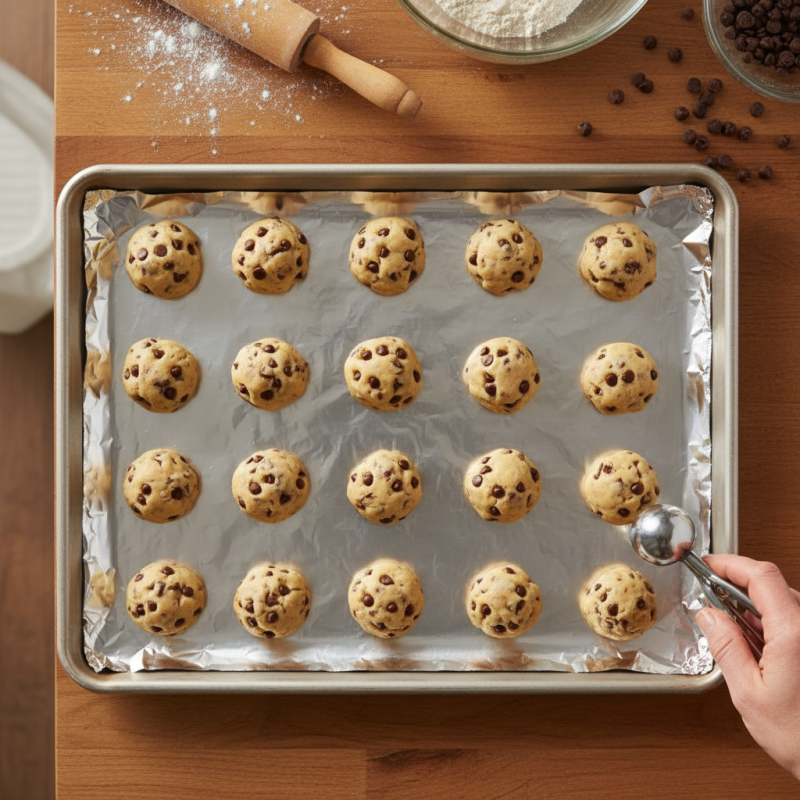
Tin foil sheets are an incredibly versatile tool in the kitchen, offering creative solutions to everyday cooking challenges. One popular hack involves using tin foil to line baking sheets. This not only makes for easy cleanup but also ensures even heat distribution while baking, preventing sticking and burning. When preparing foods like cookies or roasted vegetables, a simple layer of foil can enhance the cooking experience.
Another clever use of tin foil is as a makeshift funnel. If you're in a pinch and need to transfer liquids or small ingredients from one container to another, simply fold a sheet into a cone shape and secure it with a bit of tape. This nifty trick minimizes mess and helps keep your workspace tidy, especially during meal prep.
When it comes to safety, it’s important to remember that tin foil should not be used to cover acidic foods, such as tomatoes or citrus, as the reaction can lead to leaching of aluminum into your meal. Additionally, avoid using tin foil in a microwave, as it can cause sparks. By keeping these tips in mind and exploring the many creative hacks that tin foil has to offer, you can elevate your cooking game while ensuring a safe kitchen environment.
Safety Precautions When Using Tin Foil for Cooking
When using tin foil for cooking, it's essential to prioritize safety to avoid potential hazards. Studies have shown that while aluminum foil is generally safe for use in cooking, improper use can lead to leaching of aluminum into food. The World Health Organization suggests that daily aluminum intake should be below 1 mg per kg of body weight. To reduce exposure, it is advisable to avoid using aluminum foil for acidic foods like tomatoes or citrus, as these can cause a reaction that increases aluminum transfer into the food.
Tips for safe use include ensuring that tin foil does not make contact with the heating element in ovens or grills, as this can pose a fire risk. Additionally, when wrapping foods, avoid tightly sealing around items that release steam, as this can lead to dangerous pressure buildup. When cooking with aluminum foil, it's prudent to place a barrier, such as parchment paper, between the foil and food, especially for highly acidic dishes.
Furthermore, avoid reusing foil for food as this can transfer bacteria and contaminants. Always opt for new sheets for each cooking task, as hygiene is crucial in food preparation. Following these safety tips ensures that you can enjoy the versatility of tin foil in cooking without compromising health or safety.
Alternative Uses of Tin Foil Beyond the Kitchen
Tin foil sheets, often confined to the culinary world, have numerous applications beyond the kitchen that can simplify daily tasks and save money. Research shows that about 80% of households use aluminum foil, and a significant percentage tap into its versatility beyond food preparation. One popular alternative use is for crafting protective barriers against pests. By wrapping fine mesh or creating cones from tin foil, gardeners can effectively deter harmful insects from their prized plants, contributing to healthier gardening practices.
Tips: To maximize pest deterrence, ensure that the foil is tightly secured, and consider shiny surfaces to enhance visibility for repelling insects.
Additionally, tin foil is an excellent tool for household organization. From lining drawers to creating makeshift labels, its reflective quality makes it easy to identify items and maintain order. The material is also helpful when protecting surfaces during painting or crafting projects. A survey by the Home Improvement Association found that nearly 60% of DIY enthusiasts use aluminum foil as a valuable resource for cleanup and protection.
Tips: For optimal use in organizing your workspace, fold tin foil into small sheets that can be designated for specific items, ensuring a clutter-free environment.
Top Uses for Tin Foil Sheets: Cooking Tips, Hacks, and Safety Precautions - Alternative Uses of Tin Foil Beyond the Kitchen
| Use |
Description |
Safety Precautions |
| Cooking |
Great for lining baking sheets, wrapping food for cooking, and making disposable pans. |
Avoid direct contact with acidic foods to prevent reactions. |
| Storage |
Wrap leftovers tightly to prevent freezer burns and spoilage. |
Ensure it’s sealed well to maintain freshness. |
| Grilling |
Use to create packets for vegetables or seafood on the grill. |
Check for holes in the foil to avoid leaks. |
| Non-Cooking Uses |
Can be used to reflect light for art projects or as temporary fixes. |
Keep away from flames and high heat to prevent fire hazards. |
| Cleaning |
Scrunched up foil can effectively scrub pots and pans. |
Avoid using on non-stick surfaces to prevent scratches. |
Environmental Impact of Using Tin Foil Sheets in Cooking
The environmental impact of using tin foil sheets in cooking has garnered increasing attention in recent years. While tin foil is a versatile tool in the kitchen, its production and disposal have significant implications for the environment. Tin foil, often made from aluminum, requires extensive mining and processing, contributing to environmental degradation, habitat destruction, and high energy consumption. Furthermore, the extraction process can lead to toxic emissions, which pose risks to local ecosystems and communities.
When it comes to disposal, the single-use nature of many tin foil products raises concerns about waste. Although aluminum is recyclable, a substantial portion of used tin foil ends up in landfills. The recycling process itself is energy-intensive, and if not handled properly, it can result in contamination and reduced recycling rates. For environmentally conscious consumers, it is essential to consider sustainable alternatives such as reusable silicone wraps or beeswax wraps that can effectively replace tin foil in various cooking applications. By making informed choices about kitchen supplies, individuals can reduce their ecological footprint and promote a healthier planet.
Environmental Impact of Using Tin Foil Sheets in Cooking