10 Tips for Choosing a Flame Laminating Machine
Choosing the right Flame Laminating Machine is a production decision, not merely an equipment purchase. It affects bond strength, surface appearance, energy use, and operator safety. Grand View Research valued the global technical textile market at approximately USD 225.99 billion in 2023. Its report also forecasts continued growth through 2030. Smithers reaches a similar conclusion in The Future of Technical Textiles to 2028. Demand is expanding, but machine quality is not equal.
“Stable flame control is the foundation of repeatable foam lamination,” says Dr. Markus Keller, an independent polymer-processing consultant. This practical view deserves attention. A burner may look impressive during a factory demonstration. However, unstable gas pressure can create weak bonding, scorched foam, or uneven fabric edges. The machine should offer precise flame adjustment, reliable exhaust extraction, and accessible safety controls. Ask for test results using your actual foam density, fabric weight, and production speed.
The ten tips in this guide focus on details that are easy to overlook. Check the effective working width. Measure the nip-roll pressure range. Confirm whether the line supports automatic ignition and flame monitoring. Review maintenance access around the burner and cooling section. Request energy-consumption data under real operating conditions, not ideal laboratory settings. A cheaper Flame Laminating Machine may reduce the initial budget, yet increase downtime later. No checklist removes every risk. Supplier claims still require verification. Poor documentation can also complicate training. Careful buyers compare samples, service response times, spare-part availability, and long-term operating costs before signing an order.
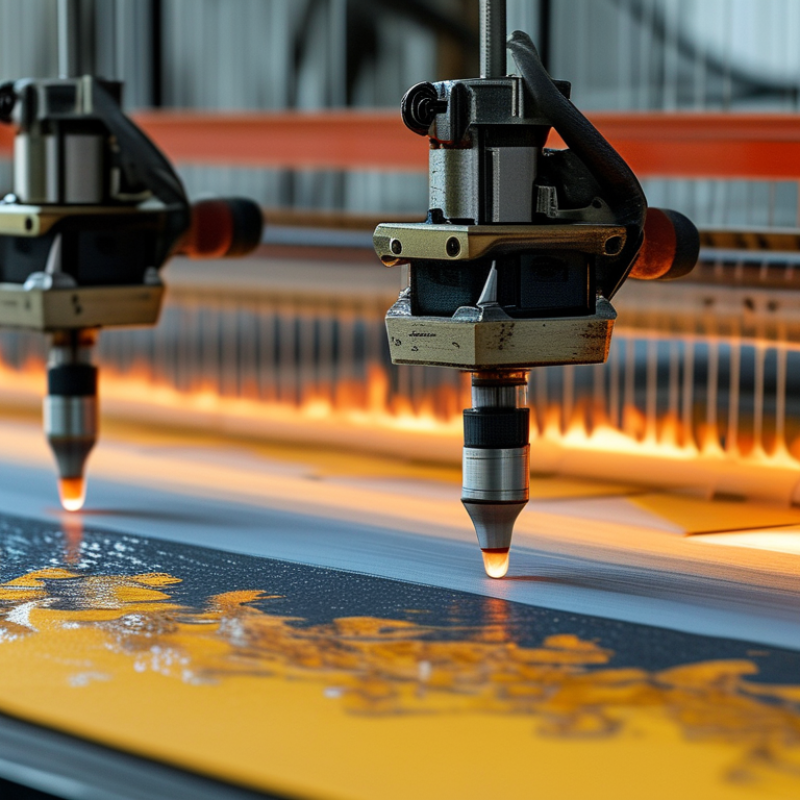
Define Your Lamination Needs and Production Requirements
10 Tips for Choosing a Flame Laminating Machine
Choosing a flame laminating machine starts with defining your materials and production goals. Identify each foam, fabric, film, or textile you plan to laminate. Record thickness, width, weight, surface texture, and heat sensitivity. Test the actual rolls. Surface energy can vary between suppliers and production batches. A smooth fabric may bond differently from a coated or loosely woven fabric. Small differences matter.
Translate your goals into measurable requirements. State the working width, target line speed, roll diameter, tension range, and daily operating hours. Calculate peak output, not average output. A machine rated for 20 meters per minute may slow down with thick foam or frequent stops. Request trials with your real materials. Observe flame stability, edge bonding, wrinkles, odor, and peel strength after cooling. Record gas consumption and changeover time. These details reveal hidden operating costs.
Specify operator controls, guarding, ventilation, and safety interlocks during the selection process. Qualified technicians should verify installation conditions and follow applicable safety requirements. A common mistake is choosing speed before confirming bond quality. Faster is not always better. I would also question impressive sample results if the trial used unusually perfect material. Production is rarely perfect. Leave room for material variation, operator learning, maintenance delays, and future product changes. The best machine fits your actual process, not only your target brochure numbers.
Evaluate Material Compatibility, Bonding Quality, and Production Speed
10 Tips for Choosing a Flame Laminating Machine
Tip 1: Confirm material compatibility before discussing speed. Test every film, foam, textile, and coating under real production conditions.
Tip 2: Check melting points and surface energy.
Tip 3: Review flame width and burner adjustment. Uneven treatment can create weak edges.
Tip 4: Measure bond strength after curing, not immediately after lamination. ASTM F904 peel testing can reveal hidden failures.
Tip 5: Inspect bond lines under bright, angled light. Bubbles, wrinkles, and dry spots need attention.
Production demands are rising. Grand View Research valued the global flexible packaging market at approximately USD 261 billion in 2023, with continued growth expected through 2030. That pressure makes reliable output more valuable than headline speed.
Tip 6: Compare line speed at your actual web width.
Tip 7: Record temperature, gas pressure, flame distance, and adhesive application rate.
Tip 8: Ask for trial data using your own substrates. A machine may run quickly, but not consistently.
Energy and waste also deserve measurement. Smithers’ flexible packaging research highlights lightweight structures and improved recyclability as major industry priorities.
Tip 9: Calculate startup waste and changeover time.
Tip 10: Check cleaning access and operator safeguards.
In practice, the fastest machine can lose its advantage after frequent stops. I would also question optimistic sample results. A short demonstration rarely exposes humidity changes, roll variation, or imperfect alignment. Choose documented bonding quality over impressive speed alone.
Assess Supplier Support, Total Cost, and Long-Term Machine Value
10 Tips for Choosing a Flame Laminating Machine
Assess Supplier Support, Total Cost, and Long-Term Machine Value
Tip 1: Test the supplier before testing the machine.
Ask for a live demonstration using your actual foam, fabric, and production speed. A reliable supplier should explain flame height, bonding pressure, and safety controls clearly. Request installation training, operating videos, spare-parts guidance, and a realistic response time for technical problems. Support often matters most at 2 a.m., when production has stopped.
Tip 2: Calculate the total cost, not only the purchase price.
Include gas consumption, electricity, ventilation, maintenance, operator training, replacement burners, and possible downtime. Ask for written estimates based on your monthly output. A cheaper machine may require frequent adjustments or costly imported parts. That difference can quietly grow every month. Check warranty coverage carefully. Some suppliers advertise long warranties but exclude key components.
Tip 3: Judge long-term value through practical evidence.
Request references from users with similar materials and production volumes. If possible, visit a working installation and inspect its laminating quality after several years. Look for stable flame control, accessible cleaning points, durable rollers, and simple adjustments. Ask how the machine handles changing fabric widths. Small details become expensive weaknesses.
Keep records.
An honest assessment should include uncomfortable questions. Will local technicians understand the system? Can your team maintain it safely? I have seen purchasing decisions focus too heavily on output speed. That choice looked efficient, but training gaps later caused waste, delays, and inconsistent bonding. A dependable machine should fit your people, budget, and production reality.