10 Tips for Choosing the Best Stand Up Zipper Pouch for Your Needs?
Choosing the right Stand Up Zipper Pouch is crucial for various needs. Expert Sarah Lawson, a packaging professional with over 10 years of experience, emphasizes, "The right pouch enhances both functionality and presentation." With countless options available, it can be daunting to select the ideal one. What factors truly matter when making your choice?
Stand Up Zipper Pouches are not just practical; they also make a statement about your brand. The material, size, and design all impact usability. Consider your product's characteristics and how the pouch will preserve them. These details can significantly affect customer satisfaction.
It’s not simply about aesthetics. Think about durability and sealing options. Some pouches may break or leak when handling, while others maintain freshness effectively. Reflecting on your needs will guide you toward a suitable solution. It's essential to keep testing and refining your selection process as market trends evolve.
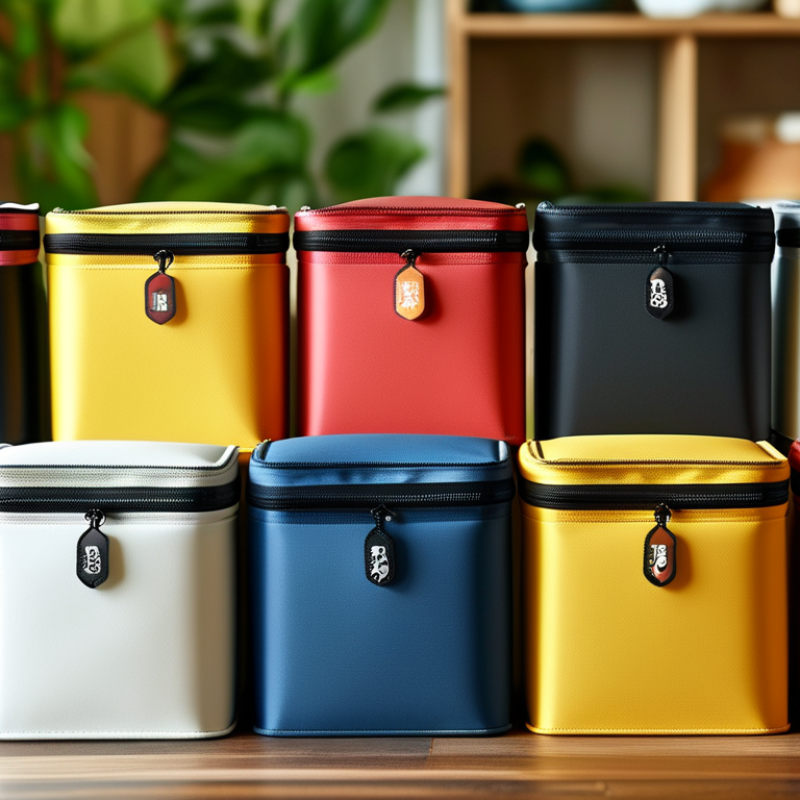
Understanding Stand Up Zipper Pouches: Types and Materials
Stand up zipper pouches come in various types and materials. Understanding these options is crucial when making a selection. Common materials include plastic, foil, and paper. Each has its unique benefits. Plastic pouches are durable and waterproof. They protect contents from moisture and dirt. However, not all plastics are recyclable, which raises environmental concerns.
Foil pouches offer excellent barrier properties. They keep products fresh and prevent oxygen exposure. This is vital for food or sensitive items. On the other hand, paper pouches are eco-friendly. They can be compostable, but they may not resist moisture well. Reflect on your specific needs. Each material presents advantages and drawbacks. Choosing the wrong type can lead to issues like spoilage or damage.
Consider the pouch's closure system. Zipper tops provide convenience, while heat seals offer a tamper-evident feature. If you often reseal pouches, zippers are ideal. Remember the size and design too. Larger pouches may not fit in all storage areas. A balanced choice should consider usability, material type, and intended use.
Assessing Size and Capacity for Your Specific Needs
When selecting a stand-up zipper pouch, size and capacity are crucial. Consider what you will store inside. Will it hold snacks, stationery, or smaller tools? Knowing this helps narrow your options. For example, a larger pouch can hold multiple items. A smaller pouch might be perfect for single servings.
Assess the dimensions. A pouch that’s too small won’t fit your needs. One that’s too large can be cumbersome. Think about how you’ll use it daily. A mid-sized pouch offers flexibility. It can adapt to various uses throughout the day.
Checking product reviews is wise. Users often share valuable insights about size and functionality. Look for details on durability and ease of access. Pouches with sturdy zippers last longer. Always ensure the capacity matches your lifestyle. A mismatched size can lead to frustration. Find a balance between practicality and convenience.
Evaluating Durability: Thickness and Quality of the Material
When evaluating the durability of stand-up zipper pouches, thickness and material quality are critical factors. A thicker pouch often means better resistance to tears and punctures. When selecting, examine how the material feels. A strong, flexible pouch usually lasts longer. Look for signs of sturdy construction. Seams should appear well-stitched and not fray.
Consider the intended use of the pouch. If you need it for long-term storage, prioritize materials that can withstand wear. If it’s for a one-time event, a lighter option might suffice. Test the zipper functionality as well. A smooth-running zipper is crucial for repeated use.
Keep in mind that not all pouches are the same. Some might look good but may fail on durability. Take time to read reviews and compare options. Seek feedback from others who have used the products. Every choice you make impacts your satisfaction with the pouch's performance.
10 Tips for Choosing the Best Stand Up Zipper Pouch for Your Needs
| Material Type | Thickness (microns) | Durability Rating | Best Use Case |
| Plastic (PE) | 50 | Low | Lightweight items |
| Plastic (PP) | 80 | Medium | Food storage |
| Nylon | 100 | High | Heavy-duty items |
| Kraft Paper | 120 | Medium | Eco-friendly storage |
| Aluminum Foil | 50 | High | Heat-sensitive items |
Identifying Closure Mechanisms: Zipper Types and Their Advantages
When selecting a stand-up zipper pouch, understanding the zipper types is crucial. Zippers can vary in design and functionality. Common types include plastic zippers, metal zippers, and invisible zippers. Each type has its unique advantages. Plastic zippers are durable and lightweight, while metal zippers offer a more secure closure. Invisible zippers are ideal for a sleek look.
Consider your specific needs when choosing a zipper. For long-term storage, opt for high-quality metal zippers. They resist wear and tear. If you need a lightweight option for travel, plastic zippers may serve you best. Remember to assess how often you'll use the pouch. Frequent use means a sturdier zipper is essential.
Pay attention to ease of use, too. Zippers should glide smoothly for convenient access. Test different pouch designs to find what feels right. While some users prefer traditional zippers, others might favor the innovation of newer mechanisms. It’s important to weigh these preferences against your practical needs. A pouch that doesn’t meet your expectations can lead to frustration. Therefore, take your time to reflect on what works for you.
Choosing Aesthetics: Colors, Designs, and Customization Options
When selecting a stand-up zipper pouch, aesthetics play a vital role in your decision. The color you choose can influence your mood and how others perceive you. Vibrant colors often evoke excitement, while muted tones convey professionalism. Custom designs can make your pouch stand out from the crowd. Think about your branding or personal style.
Customization options can be extensive. Some pouches allow for unique prints or logos, giving a personal touch. Consider the material's texture as well; a matte finish can feel sophisticated, while glossy surfaces often attract attention. However, don’t overlook functionality. A beautiful pouch must still serve its purpose.
Balancing aesthetics with practicality may require some reflection. It’s easy to get lost in colors and designs. Remember, the most eye-catching addon won't matter if it doesn’t last. Sometimes, the most basic styles hold hidden advantages. Durable pouches might not have the flashiest designs but can handle daily wear and tear. Finding that sweet spot between form and function involves trial and error.
10 Tips for Choosing the Best Stand Up Zipper Pouch for Your Needs