China Top 10 Steel Metal Plate Manufacturers?
China has become a major global source of steel products, serving construction, shipbuilding, energy, machinery, and infrastructure projects. This guide examines China’s top 10 Steel Metal Plate manufacturers through practical, verifiable criteria. These include production capacity, product range, quality systems, export experience, delivery performance, and customer support.
The selected companies may supply carbon steel, alloy steel, stainless steel, and weather-resistant plates. Some focus on heavy industrial projects, while others offer custom cutting, surface treatment, or small-batch orders. Their mills may produce plates in different thicknesses, widths, grades, and international specifications. Details matter.
A reliable comparison should look beyond low prices. Buyers should review mill test certificates, inspection procedures, traceability records, and relevant certifications. Factory audits can reveal more than polished brochures. Production lines, storage yards, and loading practices often show a supplier’s real capabilities.
This ranking is not permanent. Market conditions, equipment upgrades, export policies, and customer feedback can change a manufacturer’s position. Public information can also be incomplete. That limitation deserves attention.
The following overview aims to support informed supplier research, not replace technical due diligence. Before placing an order, confirm material standards, tolerances, coating requirements, packaging, payment terms, and delivery schedules. A strong manufacturer should answer clearly and provide consistent documentation. That matters. The best choice depends on project risk, required performance, budget, and long-term service expectations.
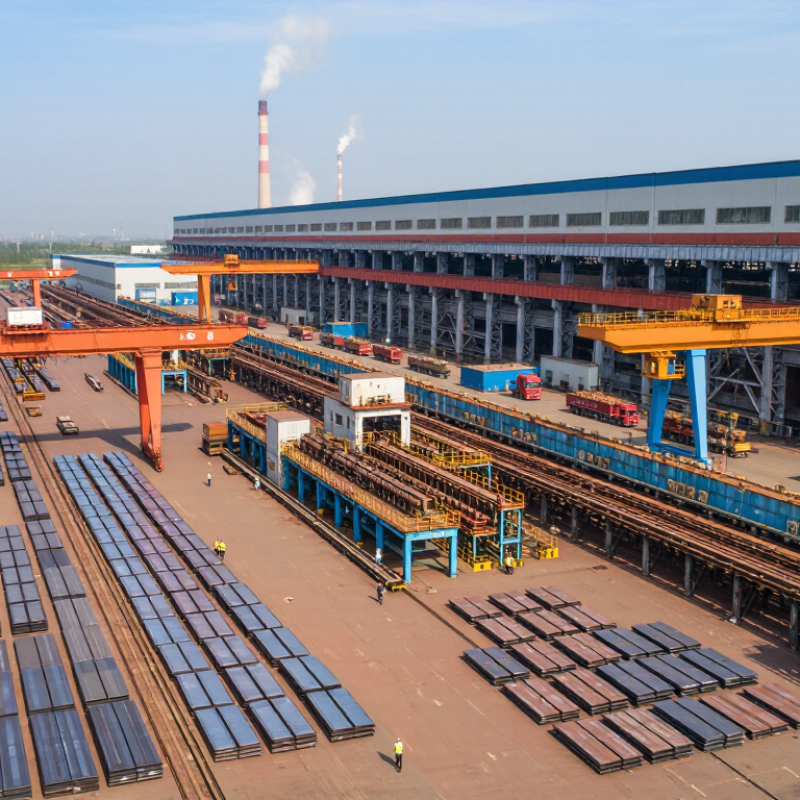
What Defines a Leading Steel Metal Plate Manufacturer in China
A leading steel metal plate manufacturer in China is defined by more than production scale. The World Steel Association’s World Steel in Figures 2025 reports China produced about 1,005 million tonnes of crude steel in 2024. This huge capacity matters, but volume alone cannot guarantee reliable plates.
A dependable supplier controls chemistry, rolling temperature, plate thickness, and surface quality. Its laboratory should verify yield strength, tensile strength, impact toughness, and chemical composition for each production batch. Traceability is essential. Heat numbers should connect the plate to furnace records, test results, and shipping documents. Certificates should follow recognized requirements, such as ISO 9001 quality systems and EN 10204 inspection documentation.
Delivery performance also reveals manufacturing maturity. A serious producer communicates tolerances clearly and explains delays before they disrupt fabrication. It can provide inspection samples, ultrasonic testing records, and practical answers from engineers, not only sales staff. World Steel Association data shows China’s enormous steel output, yet buyers still need to separate capacity from consistency.
Certificates help.
However, a polished certificate is not proof of every shipment. Buyers should compare independent inspection results with mill reports and examine several production lots. That extra check may feel slow. It often prevents expensive cutting, welding, and replacement work later. A leading manufacturer is not perfect; it is transparent when deviations occur and improves the process instead of hiding them.
Key Steel Plate Products, Grades, and Industry Applications
China Top 10 Steel Metal Plate Manufacturers?
Key Steel Plate Products, Grades, and Industry Applications
A manufacturer’s value is easier to judge through products, grades, and quality controls than a simple ranking. The World Steel Association reported 1,888.2 million tonnes of global crude steel production in 2023. China contributed more than half of that volume, supporting a broad plate manufacturing base.
Common products include carbon structural plate, high-strength low-alloy plate, pressure-vessel plate, shipbuilding plate, weathering steel, and wear-resistant plate. Structural grades such as ASTM A36 and EN 10025 S355 serve bridges, platforms, buildings, and heavy frames. Higher-strength grades reduce component weight, but welding procedures become less forgiving. That detail is often overlooked.
Pressure-vessel plates are tested for toughness and stable performance under heat and pressure. They support boilers, storage tanks, and process equipment. Shipbuilding plates require controlled chemistry, impact testing, and reliable weldability. Wear-resistant plates protect excavator buckets, dump bodies, and mining chutes from repeated abrasion.
Industry reports from the International Energy Agency show continuing investment in grids, energy systems, and industrial infrastructure. These projects increase demand for durable, traceable steel products. Mill certificates, heat numbers, ultrasonic testing, and third-party inspection provide practical evidence of reliability. Yet paperwork is not everything. Plate flatness, surface defects, and delivery consistency still require physical inspection. A ranking may look precise, but purchasing decisions remain complicated. Tensile strength alone cannot reveal how a plate performs beside a weld, bolt, or corrosive environment.
Quality Standards, Production Capacity, and Export Competitiveness
For a top-ten steel plate comparison, quality must be measured beyond surface appearance. The World Steel Association reported 1.88 billion tonnes of global crude steel production in 2024. This scale makes traceability essential. Reliable manufacturers should provide heat numbers, mill test certificates, chemical analysis, and ultrasonic inspection records. Their plates should match recognized standards, including ASTM, EN, JIS, and ISO 9001 quality systems. For structural grades, Charpy impact testing can reveal weaknesses invisible during cutting or welding. Plate thickness tolerance also matters on the shop floor. A few millimeters can change fabrication costs.
Production capacity shows whether a supplier can support repeat orders. However, installed capacity is not the same as available capacity. Buyers should check rolling-mill size ranges, furnace schedules, maintenance records, and average lead times. The OECD Steel Market Developments reports continued global overcapacity pressure, which can intensify price competition. Low prices are tempting. They may also signal weaker service, inconsistent delivery, or limited testing. Export competitiveness depends on port access, container or break-bulk options, documentation accuracy, and compliance with destination-country rules. UN Comtrade data can help compare export performance by product code, but classifications are imperfect. They do not always separate every plate grade clearly. A practical review should therefore combine trade data with factory audits, recent shipment records, and independent laboratory verification. Supplier rankings need revision when energy costs, freight rates, or trade measures change.
How to Compare and Select a Suitable Chinese Steel Plate Supplier
Choosing a Chinese steel plate supplier requires more than comparing quoted prices. Start with the project specification, including grade, thickness tolerance, width, surface condition, and delivery location. A low price can hide extra cutting, testing, or inland freight. Ask whether the supplier produces the plate or only trades it. Request recent mill certificates, heat numbers, chemical analysis, and mechanical test results. Match the certificate to the actual plate.
For structural work, compare standards such as GB, ASTM, EN, or project-specific requirements. Confirm yield strength, tensile strength, impact testing temperature, and ultrasonic inspection class. Ask for sample reports before placing an order. A serious supplier should explain testing equipment, calibration dates, and corrective action records. Photos help, but they are not proof. I prefer a live factory video call or an independent inspection before shipment. Check plate markings, bundle tags, rust protection, and packing suitable for sea transport. Small details matter.
Evaluate capacity through realistic questions. Can the supplier maintain 20-millimeter thickness across a full batch? Can it repeat the same chemistry next month? Confirm production lead time, minimum order quantity, replacement policy, payment terms, and export documentation. Contact two previous customers if possible. Be careful with perfect promises. My own purchasing reviews sometimes focused too heavily on certificates and missed slow replies. That lesson changed my checklist: technical quality and communication must be measured together. Compare written evidence, not confidence alone.
China Top 10 Steel Metal Plate Manufacturers? How to Compare and Select a Suitable Chinese Steel Plate Supplier
Comparing steel plate grades by minimum yield strength helps buyers match material performance with project requirements. The values below are standard minimum yield strengths for common plate grades, generally specified at thicknesses up to 16 mm unless the applicable standard states otherwise.
When evaluating Chinese suppliers, verify the applicable standard, thickness range, mill test certificate, chemical composition, dimensional tolerances, traceability, inspection options, and delivery capability—not only the quoted price.