Top 10 Benefits of Using Piston Fillers for Your Business?
In the fast-paced world of manufacturing, efficiency is key. Piston Fillers are increasingly recognized for their ability to enhance productivity. According to a report from the Packaging Machinery Manufacturers Institute, businesses utilizing piston fillers have reported a 30% increase in packing speed. This boost often translates into significant cost savings. Industry expert Dr. Emily Turner states, “The precise volumetric control of piston fillers can transform a production line.”
However, adopting this technology is not without challenges. Some companies face hurdles in integrating piston fillers into existing systems. Proper training and maintenance are crucial for maximizing their potential. Piston fillers can often result in waste and inefficiency if operators are not fully adept. It's important to reflect on these aspects before making the switch.
Despite potential issues, the benefits can outweigh the drawbacks. Enhanced accuracy, reduced labor costs, and flexibility in production are notable advantages. As the industry evolves, understanding the true value of piston fillers becomes essential for businesses seeking to thrive.
Benefits of Piston Fillers in Increasing Efficiency in Production Lines
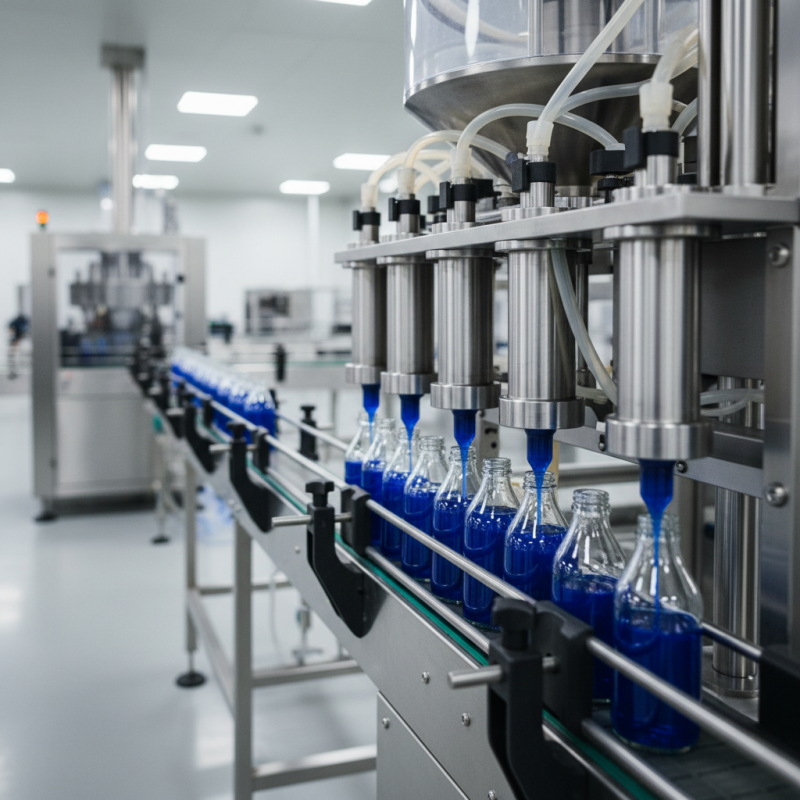
Piston fillers are essential for improving production line efficiency. They offer accurate filling, minimizing product waste. This precision aids in maintaining consistent quality, crucial for customer satisfaction. Businesses can experience reduced downtime as these fillers operate quickly and smoothly. A faster filling process increases overall output, allowing companies to meet demanding production schedules.
Implementing piston fillers can significantly streamline your workflow. Ensure operators are well-trained. Proper training can reduce errors and enhance productivity. Regular maintenance checks also keep equipment running optimally. It's important to monitor performance metrics. Adjust protocols based on findings for continuous improvement.
Consider the layout of your production line. A well-organized setup can further boost efficiency. Evaluate how materials flow and where fillers are placed. This can prevent bottlenecks and wasted time. Be open to feedback from operators. They often have insights that can lead to better practices.
How Piston Fillers Improve Accuracy in Volume Measurement
Piston fillers have gained recognition in various industries for their ability to enhance accuracy in volume measurement. These devices utilize a piston mechanism to deliver precise amounts of liquids, making them ideal for tasks that demand stringent accuracy levels. Data from recent industry reports indicate that using piston fillers can improve filling accuracy by up to 99%. This level of precision significantly reduces the risk of overfilling or underfilling, which can lead to material waste and increased production costs.
In addition, piston fillers can handle a wide variety of viscosities. Products ranging from water-thin liquids to thick pastes can be accurately dispensed with minimal adjustments. This versatility is crucial for businesses that require adaptability in their production processes. However, it is essential to maintain and calibrate these machines regularly. Ensuring that the piston and seals are in optimal condition is critical for maintaining accuracy. Neglecting this can lead to discrepancies in fill volumes, highlighting the need for constant evaluation.
Furthermore, businesses that implement piston fillers often report improvements in overall operational efficiency. Reducing the margin of error directly contributes to lower rework and product losses. However, there may be challenges in upfront investments and operational training. Companies need to weigh these factors against the long-term benefits of accuracy and consistency. Understanding both the advantages and limitations is crucial in optimizing the use of piston fillers in production lines.
Cost-Saving Advantages of Implementing Piston Fillers in Business
Piston fillers offer significant cost-saving advantages for many businesses. Switching to piston filling systems can reduce labor costs by up to 30%. This is due to their automation capabilities. Businesses can streamline production and reallocate labor to other areas. Efficiency increases when fewer employees are needed for manual filling processes.
Additionally, piston fillers ensure accurate dosing. Research indicates that accuracy can improve product consistency by over 95%. This reduces product waste significantly. Less spoiled product means lower overall costs. Furthermore, the versatility of piston fillers allows the handling of a wide variety of liquids. According to industry reports, this flexibility can save businesses money on equipment investment.
Operational costs decline when maintenance requirements are low. Reliable systems reduce the frequency of breakdowns. Investing in quality piston fillers can lead to higher long-term savings. However, companies must be cautious about initial investments. Balancing upfront costs and long-term benefits requires careful planning. Evaluating total cost of ownership can help organizations make informed decisions.
Top 10 Benefits of Using Piston Fillers for Your Business
| Benefit | Description | Cost-Saving Advantage |
| Precision Filling | Piston fillers provide high accuracy in filling liquids, ensuring consistency in volume. | Reduces product wastage and overfills, thus saving on material costs. |
| Versatility | Can handle various viscosities, from thin liquids to thick pastes. | Fewer machines needed for different products, lowering operational costs. |
| Reduced Labor Costs | Automated filling processes minimize the need for manual labor. | Lower payroll expenses due to less workforce requirement. |
| Increased Productivity | High-speed filling capabilities enhance production rates. | Higher output leads to more products per hour, boosting profitability. |
| Easy to Clean | Components are designed for quick disassembly and cleaning. | Reduces downtime for cleaning, enhancing overall efficiency. |
| Less Maintenance | Robust design that requires minimal maintenance. | Lower maintenance costs contribute to overall savings. |
| Scalability | Easily adjustable settings for different production rates. | Supports business growth without needing new equipment. |
| Improved Safety | Designed with safety features to minimize risk during operation. | Fewer accidents lead to lower insurance and liability costs. |
| Better Quality Control | Ensures uniform product quality through accurate measurement. | Reducing defects means less product returns and waste. |
| Compact Design | Space-efficient models fit easily into various production environments. | Saves on floor space, allowing for better resource allocation. |
Versatility of Piston Fillers for Various Types of Products and Viscosity
Piston fillers are remarkable tools for various industries. They excel in handling diverse products, from liquids to semi-solids. This versatility significantly enhances production capabilities, allowing manufacturers to fill everything from sauces to creams efficiently. According to a report by Allied Market Research, the global filling equipment market is expected to reach $8.9 billion by 2026, showcasing the growing reliance on such technologies.
Their ability to accommodate different viscosities is another key advantage. Piston fillers can easily be adjusted to fill both low and high-viscosity products. This adaptability means that businesses can reduce downtime and streamline processes. A study from the Food and Beverage Industry Association indicates that companies using piston fillers report a 30% increase in production speed. However, it’s crucial to regularly calibrate these machines to maintain accuracy, which can sometimes be overlooked.
Not all products are compatible with piston fillers, and this lack of flexibility can pose challenges. Products containing particulates may require special considerations. Some manufacturers may find themselves needing additional equipment to handle these exceptions, which could affect overall efficiency. Regular training for staff on handling such variations is essential to avoid costly mistakes.
Enhancing ProductQuality and Reducing Waste with Piston Fillers
Piston fillers have revolutionized the manufacturing landscape. They enhance product quality and minimize waste, making them a practical choice for many businesses. According to industry reports, companies using piston fillers report a 20% reduction in product waste due to precise filling capabilities. This is crucial for maintaining profit margins in competitive markets.
The accuracy of piston fillers ensures that each product batch meets quality standards. With a filling precision of up to ±1%, businesses can maintain consistency. This is vital in sectors like food and beverage, where quality is paramount. However, it is essential to ensure that the equipment is regularly calibrated. Neglecting this can lead to inconsistent product quality over time.
Tip: Regular training for staff on the proper use of piston fillers is essential. A skilled operator can optimize performance, reducing the likelihood of human error. Additionally, consider periodic maintenance checks to ensure the machinery operates efficiently. This approach can further decrease waste and enhance overall product quality. Investing in high-quality machinery pays off in the long run.