Top 10 Cabinet Types for Global Buyers to Consider?
In today's global market, selecting the right Cabinet type is crucial for businesses. The cabinet industry has seen significant growth, with a projected increase to $80 billion by 2025, according to market research. This growth reflects rising consumer demand for customized solutions and sustainable materials. As companies navigate this landscape, understanding various cabinet types becomes essential.
The choices are vast, ranging from traditional wooden cabinets to modern, modular designs. Each type offers unique benefits and can impact a brand's image and functionality. Buyers must also consider cultural preferences, as trends in cabinet design can differ significantly between regions. For instance, contemporary styles are favored in North America, while classic aesthetics dominate European markets.
Despite the opportunities, making the right choice can be challenging. Not all cabinets may meet quality standards or sustainability requirements. Reports warn of potential pitfalls in selecting low-cost options that compromise durability. Therefore, informed decisions backed by industry insights are vital. Engaging with reliable suppliers and understanding market trends can mitigate risks and enhance business outcomes.
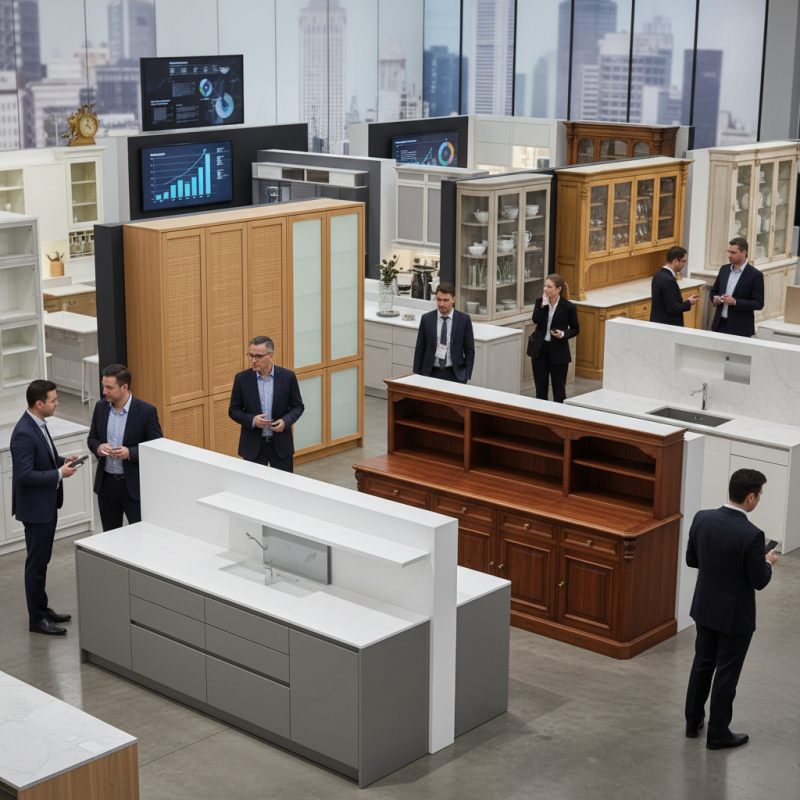
Types of Cabinets Based on Material: Wood, Metal, and More
When considering cabinet types, material plays a crucial role. Wood cabinets are classic choices. They offer warmth and a natural aesthetic. Besides appearance, wood cabinets provide durability. Some woods resist damage better than others. However, they require maintenance to preserve their beauty. A scratched or faded finish can detract from their appeal.
Metal cabinets are gaining popularity. They are sleek and modern. These cabinets are often used in industrial designs. They are resistant to moisture and pests. This makes them a practical option for various environments. Nevertheless, metal can dent or scratch easily. Over time, this may affect their appearance.
There are also composite materials to consider. These often combine wood and synthetic materials. They can mimic the look of natural wood without the drawbacks. While they are budget-friendly, quality varies widely. Buyers need to research properly. Each material has its pros and cons. Identifying the right fit requires careful thought.
Functional Design: Cabinets for Storage vs. Aesthetic Appeal
When selecting cabinets, buyers face a crucial decision: storage functionality versus aesthetic appeal. Many homeowners prioritize practicality. They need cabinets that maximize space and organization. Whether for a kitchen, office, or living room, efficient storage is essential. Yet, there’s a balancing act between functionality and design.
Aesthetic appeal is vital in creating inviting spaces. Attractive cabinets enhance a room’s overall look. They can serve as focal points and reflect personal style. Different finishes, colors, and materials offer numerous choices. However, beauty should not compromise functionality. Some designs may look appealing but lack durability. Choosing cabinets requires careful thought about long-term use.
Buyers often overlook the importance of versatility. Modular designs can suit various needs, allowing a mix of storage and style. However, finding the right balance is challenging. A beautiful cabinet might not accommodate everyday items efficiently. Assess your lifestyle and prioritize what's most important. Remember, the goal is both practical storage and a pleasing environment.
Top 10 Cabinet Types for Global Buyers to Consider
| Cabinet Type | Primary Use | Materials | Aesthetic Appeal | Durability |
| Wall Cabinets | Storage | Plywood, MDF | Moderate | High |
| Base Cabinets | Storage | Solid Wood, Particleboard | Good | High |
| Corner Cabinets | Storage | MDF, Veneer | Moderate | Medium |
| Display Cabinets | Decorative/Display | Glass, Wood | High | Moderate |
| Utility Cabinets | Storage | Metal, Plastic | Low | High |
| Bathroom Cabinets | Storage | Water-resistant Wood | Good | High |
| Custom Cabinets | Storage | Variety of Materials | High | High |
| Freestanding Cabinets | Storage | Wood, Metal | Good | Medium |
| Modular Cabinets | Flexible Storage | MDF, Plastic | Moderate | Medium |
| Apothecary Cabinets | Storage | Wood, Glass | High | High |
Customization Options: Tailoring Cabinets to Buyer Needs
Customization is key when selecting cabinets for global buyers. With diverse markets and unique needs, the ability to tailor cabinets can greatly enhance customer satisfaction. Research indicates that 70% of consumers prefer products that meet their specific requirements. This suggests that customization leads to better sales and brand loyalty.
Unique materials and finishes are essential. Buyers can choose from wood, metal, or eco-friendly alternatives. By offering modular designs, manufacturers allow clients to adapt configurations. Industry reports show that 65% of buyers prioritize sustainable materials. This trend highlights the importance of environmentally friendly cabinet options.
When considering customization, it’s vital to involve clients in the design process. Engaging buyers ensures their needs are understood. Providing samples of wood finishes or color swatches can aid in decision-making. Feedback loops should be established to refine products further. Regular surveys indicate that 80% of clients feel more satisfied when they contribute to design choices. Tailoring and involving buyers can ultimately differentiate a brand in a saturated market.
Sustainability in Cabinet Selection: Eco-Friendly Materials and Practices
Choosing cabinets with sustainability in mind is crucial for modern buyers. Eco-friendly materials can significantly reduce environmental impact. Bamboo and reclaimed wood are popular choices. They are durable and offer unique aesthetics. Additionally, low-VOC finishes contribute to healthier indoor air quality.
Tips: When selecting materials, consider local options. This can reduce transportation emissions. Always inquire about the sourcing of these materials. If possible, choose suppliers who prioritize sustainable practices.
Designing cabinets can be an opportunity for creativity. However, some features may not meet eco-friendly standards. Reflect on the balance between style and sustainability. Practicality must not be overlooked. Evaluate how often you will use the cabinet. This ensures longevity and utility. Emphasizing both function and environmental responsibility is a step toward a greener future.
Global Trends: Regional Preferences in Cabinet Styles and Designs
When exploring global trends in cabinet styles, regional preferences play a crucial role. Different cultures often reflect distinct aesthetic values in their cabinet designs. In Europe, for instance, minimalist styles dominate. Clean lines and neutral tones are popular. Yet, there is also a resurgence of classic designs, drawing from rich histories.
In contrast, the Asian markets often lean towards intricate craftsmanship. Detailed carvings and bold colors show a celebration of tradition. These cabinets often serve not just as storage, but as cultural artifacts. Meanwhile, American buyers frequently favor a blend of function and style. Open shelving and versatile storage solutions are becoming staples.
It's interesting to note how preferences can shift based on lifestyle and environment. Urban dwellers may prefer compact designs, while rural homeowners often have larger spaces to fill. Understanding these diverse tastes is essential for global buyers. Each choice reflects an interplay between utility and expression, showcasing the evolving narrative of cabinet design across the globe.
Top 10 Cabinet Types for Global Buyers