Top 10 Farrowing Pens For Pigs Buyers Guide?
In the world of pig farming, proper housing is essential. One key component is the Farrowing Pens For Pigs. Dr. Lisa Thompson, a renowned swine industry expert, emphasizes, "The right farrowing pen can drastically influence the health of piglets." This highlights the critical role these pens play in both animal welfare and farm productivity.
Farrowing Pens For Pigs are designed to ensure the safety and comfort of sows and their newborns. The right design can reduce stress for the animals, which is crucial for their health. Investing in quality farrowing pens means healthier piglets and potential profitability for farmers. However, not all pens meet the necessary standards or provide the right conditions.
Farmers often struggle with choosing the best options. It's vital to consider the layout, hygiene, and overall design when selecting. Not every model will suit every farm. Therefore, careful evaluation is necessary, as the impact of these decisions can resonate through a farm's entire operation.
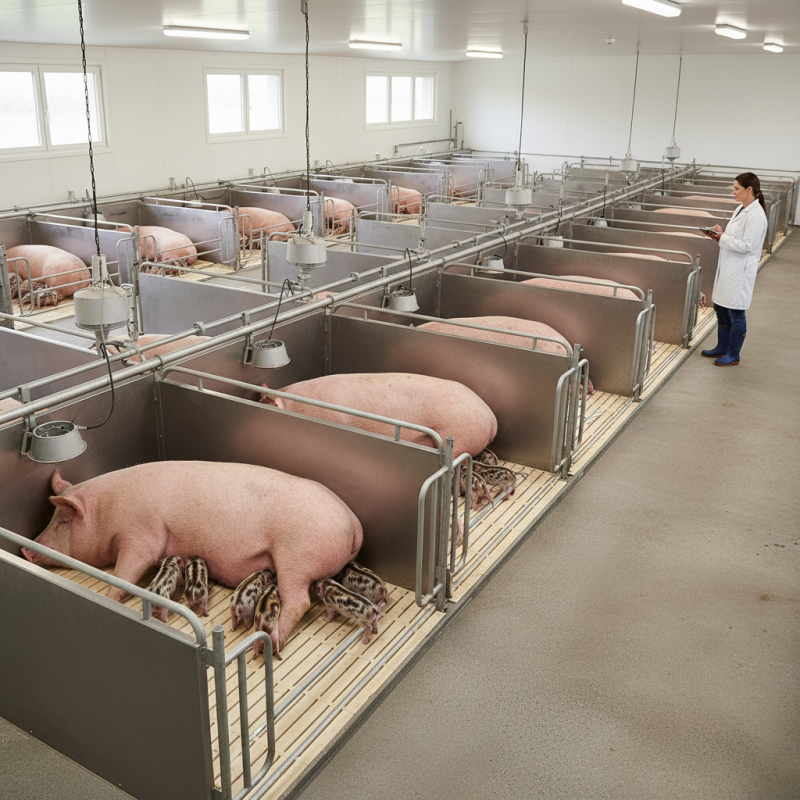
Top Features to Look for in Farrowing Pens for Pigs
When selecting farrowing pens for pigs, several key features significantly impact their functionality. Safety is paramount. The pen should prevent accidental injuries to both sows and piglets. According to industry reports, nearly 30% of piglet fatalities occur due to crushing. Pens with sturdy design and adequate space help mitigate these risks.
Another crucial aspect is hygiene. Proper cleaning features can drastically reduce disease transmission in herds. Surfaces should be smooth without crevices, allowing easy sanitation. Research highlights that maintaining a clean environment can decrease disease outbreak risks by up to 50%. This not only promotes better health outcomes but also enhances productivity.
Flexibility in pen design also plays a vital role. Movable partitions allow for adjustments as the sow and piglets grow. This adaptability can minimize stress. Stress can lead to poor growth rates. It's essential to balance comfort with practicality. The best farrowing pens not only consider the current needs but are also envisioned with future adaptability in mind.
Understanding Pig Welfare Standards in Farrowing Facilities
In pig farming, understanding welfare standards is crucial for creating optimal farrowing facilities. A well-designed farrowing pen promotes comfort and safety for both sows and piglets. Ensuring adequate space is vital. Pens should allow sows to move freely and lie down without stress. Overcrowded pens can lead to health issues for both mother and offspring.
Ventilation is another critical factor. Good airflow helps reduce respiratory problems and maintain a stable environment. It’s not just about temperature. Humidity levels also matter. Too much moisture can lead to various diseases. Regular monitoring can identify issues before they escalate.
There’s always room for improvement in animal welfare practices. Assessing the layout regularly can help address potential risks. Not every farm has the same structure or resources, but striving for better conditions is essential. Keeping abreast of evolving standards ensures that practices remain humane and effective. Collaboration with experts can lead to innovative solutions tailored to specific needs.
Top 10 Farrowing Pens for Pigs: Animal Welfare Standards Overview
Comparative Analysis of Material Types Used in Farrowing Pens
Farrowing pens are crucial for pig farming. They provide safe, comfortable spaces for sows to give birth. Material choice influences the health and productivity of both sows and piglets. A 2021 industry report indicates that materials can affect hygiene, comfort, and ease of use.
Metal pens are popular. They are durable and easy to disinfect. However, metal surfaces can be cold, impacting sow comfort. Traditional wooden pens also exist. They offer warmth but require more maintenance. A study noted that wooden pens can harbor bacteria if not properly cleaned. This raises concerns over piglet health.
Plastic pens emerged as a modern solution. They are lightweight, easy to clean, and resistant to moisture. Reports suggest that these pens improve overall sanitary conditions. However, their durability can be questioned. Some farmers express concerns about their longevity. Selecting the right material is complex and demands careful consideration.
Evaluating Space Requirements for Sow and Piglets in Farrowing Pens
When selecting farrowing pens for pigs, space requirements for sows and piglets are crucial. Each sow needs a comfortable area to give birth and care for her young. The layout should allow easy movement. This includes room for the sow to turn around without risking injury.
A well-designed farrowing pen should ideally offer around 9 to 12 square meters for a sow and her piglets. This space allows the sow to lie down without crushing her offspring. Remember, piglets are vulnerable during their first days. They need a safe environment to thrive.
One common challenge is ensuring that the pen is not overcrowded. Too much space may lead to stress among the animals. Conversely, too little can lead to accidents. Regular evaluations of the pen's layout can improve overall welfare. Observations can help to identify areas needing adjustment. Creating a balance between space and safety will lead to a more effective farrowing process.
Maintenance and Hygiene Best Practices for Farrowing Pens in Farming
Maintaining hygiene in farrowing pens is crucial for pig health and productivity. According to a report by the National Pork Board, poor hygiene practices can lead to increased disease outbreaks. Diseases like Porcine Reproductive and Respiratory Syndrome (PRRS) can thrive in dirty environments, harming both sows and piglets. Regular cleaning can significantly reduce the risk of disease transmission, contributing to a more robust herd.
Best practices for hygiene include daily cleaning and disinfecting of the pens. This goes beyond simple washing. Pens should be scrubbed to remove feces and organic matter. A disinfectant should follow this process to kill pathogens effectively. Many farms overlook the importance of air quality. Ventilation systems help reduce moisture and odors but can also disperse pathogens. Implementing proper airflow can minimize these risks.
Records show that farms with stringent maintenance protocols see a 20% increase in piglet survival rates. This data underscores the importance of hygiene. Inadequate cleaning protocols can lead to setbacks in production and increased veterinary costs. Regular audits of farrowing pen conditions can identify areas for improvement but often reveal unaddressed hygiene issues. Farms should reflect on their practices frequently to ensure they meet industry standards.
Top 10 Farrowing Pens for Pigs Buyers Guide
| Features | Material | Dimensions (LxWxH) | Weight | Price Range | Hygiene Features |
| Easy access for piglets | Steel | 2m x 1.5m x 1.2m | 120 kg | $800 - $1000 | Easy-to-clean surfaces |
| Adjustable heat lamps | Plastic | 2.2m x 1.8m x 1.3m | 90 kg | $600 - $900 | Drainage system included |
| Flexible partitioning | Aluminum | 2.5m x 2m x 1.4m | 150 kg | $900 - $1200 | Non-porous material |
| Thermal insulation | Wood | 2m x 1.6m x 1.1m | 130 kg | $700 - $950 | Ventilation holes |
| Quick assembly | Composite | 2.1m x 1.7m x 1.2m | 110 kg | $850 - $1100 | Smooth edges |
| Integrated feeding system | Steel | 2m x 1.5m x 1.3m | 125 kg | $750 - $950 | Removable trays |
| Safe corners | Plastic | 2.3m x 1.9m x 1.4m | 95 kg | $650 - $850 | Anti-bacterial coating |
| Robust design | Steel | 2.4m x 1.8m x 1.3m | 140 kg | $800 - $1000 | Easy washability |
| Space-saving | Aluminum | 2m x 1.6m x 1.1m | 115 kg | $700 - $900 | Efficient cleaning design |